Bybit Crypto Geofencing and VPN Detection: What Traders Need to Know
 Nov, 30 2025
Bybit VPN Risk Calculator
Assess Your Risk
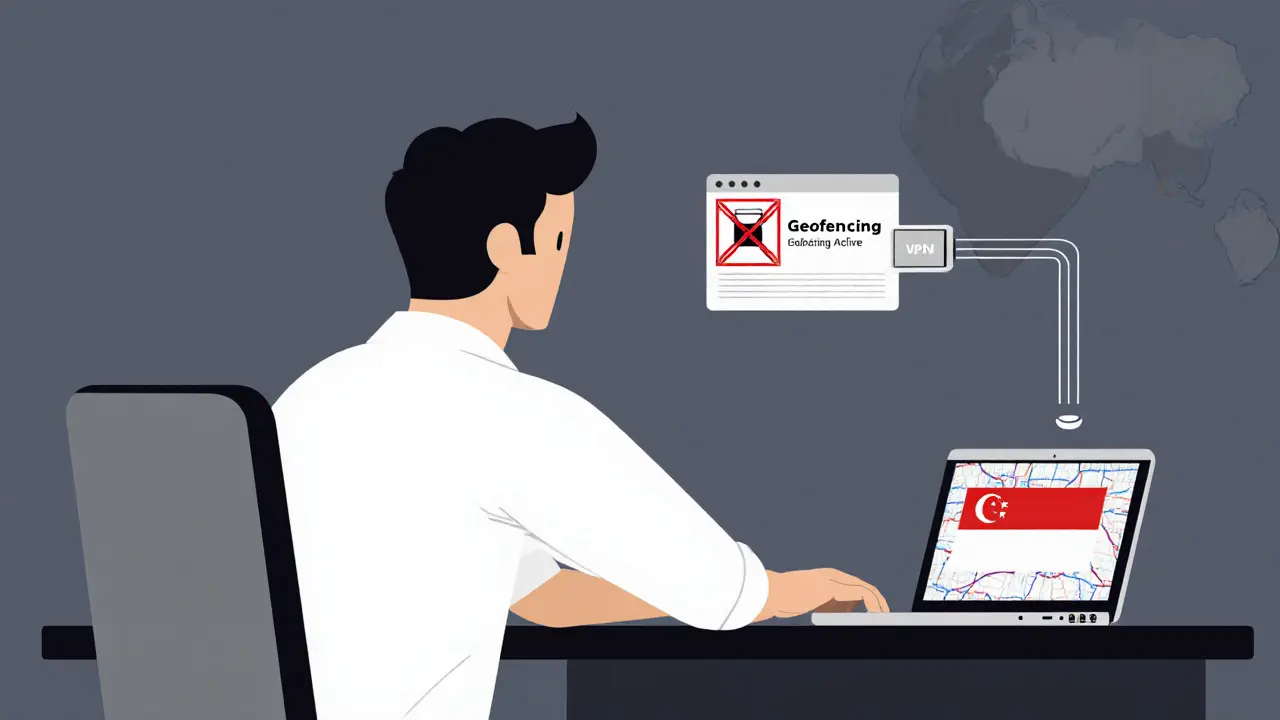
If you're trying to trade on Bybit and keep getting blocked, you're not alone. Thousands of traders around the world hit the same wall: a message saying access is restricted based on location. This isn't a glitch. It's Bybit geofencing - a system designed to keep users from certain countries, especially the United States, from using the platform. And if you're using a VPN to get around it, you're playing a risky game.
How Bybit Knows Where You Are
Bybit doesn't guess your location. It checks your IP address - the digital fingerprint of your internet connection. When you sign up or log in, the system scans that IP to see which country it's tied to. If it matches a restricted region like the U.S., Canada, or certain parts of Europe, you're locked out before you even see the login screen. This isn't just about blocking users. It's about legal risk. In 2024, Binance paid $4.3 billion to settle U.S. charges for operating without proper licenses. After that, most major exchanges had to choose: either get licensed in the U.S. (like Coinbase and Kraken) or cut off American users entirely. Bybit picked the second option. Instead of building a U.S.-only version, they made their global platform off-limits to Americans. Geofencing works because most home internet connections have fixed, traceable IP addresses. Your ISP assigns you one based on your physical location. So if you're in Chicago, your IP says Chicago. Bybit sees that and says no.Why VPNs Are the Go-To Workaround
Enter the VPN. A virtual private network lets you mask your real IP by routing your connection through a server in another country. A trader in Texas might connect to a VPN server in Singapore, then log into Bybit like nothing’s wrong. The exchange sees a Singapore IP, not a Texas one. Suddenly, access opens up. CoinDesk reported in late 2024 that this trick works - and it’s easy. Users don’t need to be tech wizards. Just pick a reliable VPN service, connect to a permitted country, and complete the KYC process using a foreign ID - like a Canadian driver’s license or a UK passport. Bybit’s system checks the document’s country of issue against the IP location. If they match, the account gets approved. But here’s the catch: this isn’t legal under Bybit’s terms of service. The platform explicitly bans using VPNs to bypass geo-blocks. If they catch you, your account could be frozen, and your funds held indefinitely. There’s no appeal process. No warning. Just silence.Does Bybit Actually Detect VPNs?
The short answer: not well. Right now, Bybit’s system relies mostly on basic IP geolocation. It doesn’t actively scan for signs of VPN traffic - like unusual connection speeds, mismatched DNS settings, or known VPN server IPs. Many commercial VPNs use shared servers that aren’t flagged yet. So unless your VPN is on a blacklist (and most aren’t), you’ll slip through. Compare that to exchanges like Binance or Kraken, which use advanced fingerprinting. They look at your browser type, screen resolution, installed fonts, even how fast your mouse moves. These tiny digital traces can reveal if you’re hiding behind a VPN, even if your IP looks clean. Bybit doesn’t do this - at least not publicly. That’s not because they’re lazy. It’s because they’re trying to balance compliance with usability. If they started blocking every VPN user, they’d lose access to legitimate traders in places like Nigeria, Brazil, or Turkey - where internet censorship or banking restrictions make VPNs a necessity, not a loophole. So for now, the system is leaky. But that could change.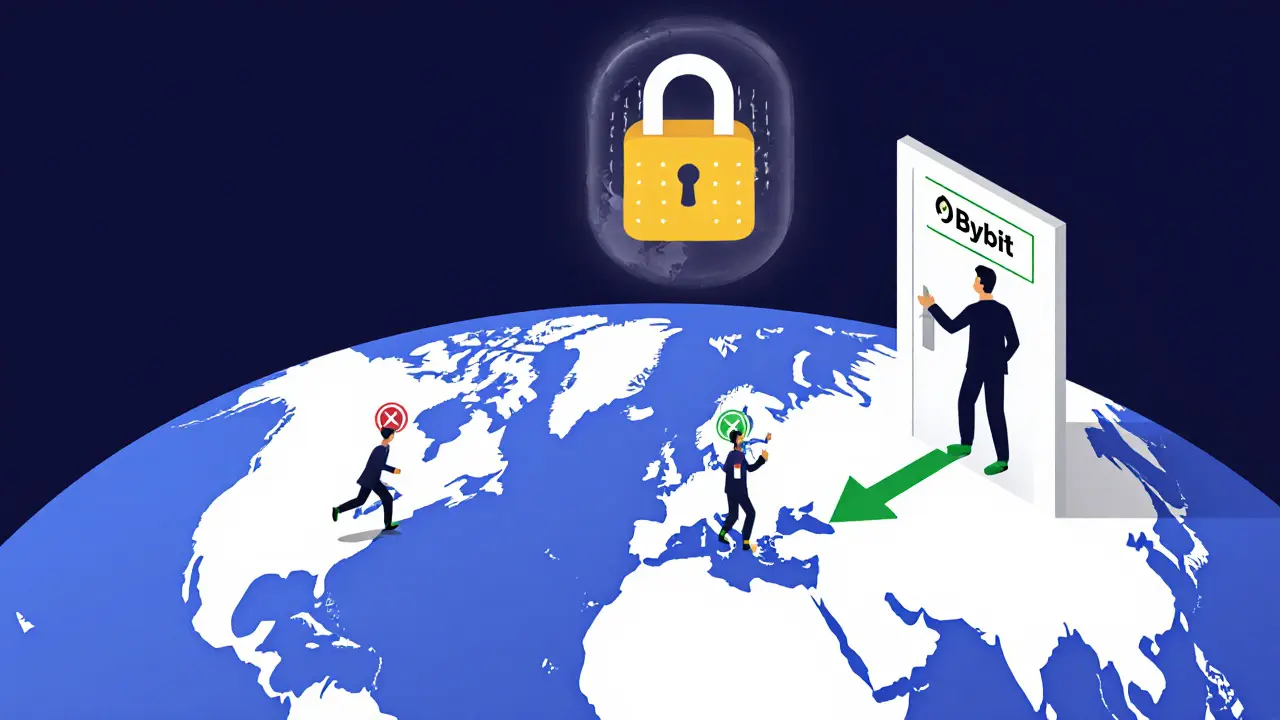
The Bigger Risk: Security and Account Freezes
In 2024, Bybit suffered a $1.4 billion hack tied to North Korean hackers. The attackers didn’t break into the exchange’s core systems. They tricked users into installing fake software - a Trojan hidden in the SAFE Wallet interface - that made fraudulent transactions look normal. The CEO himself almost approved one. That breach exposed a deeper problem: when security fails, compliance tools like geofencing become meaningless. If hackers can manipulate user interfaces, what’s stopping them from spoofing location data too? And even without hackers, your own actions can get you locked out. If Bybit’s system notices sudden changes - like logging in from Singapore one day and the U.S. the next - they may trigger a manual review. If they find your real IP matches a banned country, they can freeze your account without notice. Funds stay locked until you prove you’re not violating terms. And good luck getting help from customer support. Reddit threads are full of stories from traders who lost weeks of trading activity because their accounts got flagged. Some got their money back after submitting documents. Others never heard back.What Happens If You Get Caught?
There’s no fine. No legal threat. Just account suspension. Bybit’s terms say they can “suspend or terminate” your account if you use a VPN or provide false location info. That means your assets - whether they’re Bitcoin, Ethereum, or perpetual futures - get frozen. You can’t withdraw. You can’t trade. You can’t even log in. And there’s no public appeals process. You can email support, but most replies say: “We cannot assist with account access issues related to terms of service violations.” Some users have reported success by submitting a notarized affidavit proving they moved abroad. Others got lucky when their VPN server got rotated to a new IP that wasn’t flagged. But these are exceptions, not rules. The bottom line: if you’re using a VPN to access Bybit from a restricted country, you’re gambling with your funds.Alternatives: Licensed Exchanges vs. Offshore Platforms
If you’re in the U.S., your safest bet is to use a licensed exchange. Coinbase, Kraken, and Gemini are all registered with U.S. regulators. They comply with AML and KYC rules. You pay slightly higher fees, but your money stays safe - and legal. If you’re outside the U.S. and can’t access local exchanges due to banking restrictions, then offshore platforms like Bybit, Bitget, or OKX make sense. But even then, don’t assume you’re safe. Some countries - like Nigeria and Turkey - have started cracking down on crypto exchanges that don’t comply with local laws. Your VPN might get you past Bybit, but not past your own government. And if you're in a country where crypto is fully banned - like Egypt or Algeria - using a VPN to trade on Bybit could land you in legal trouble. Laws vary. Risks vary. Don’t assume what works in one place works everywhere.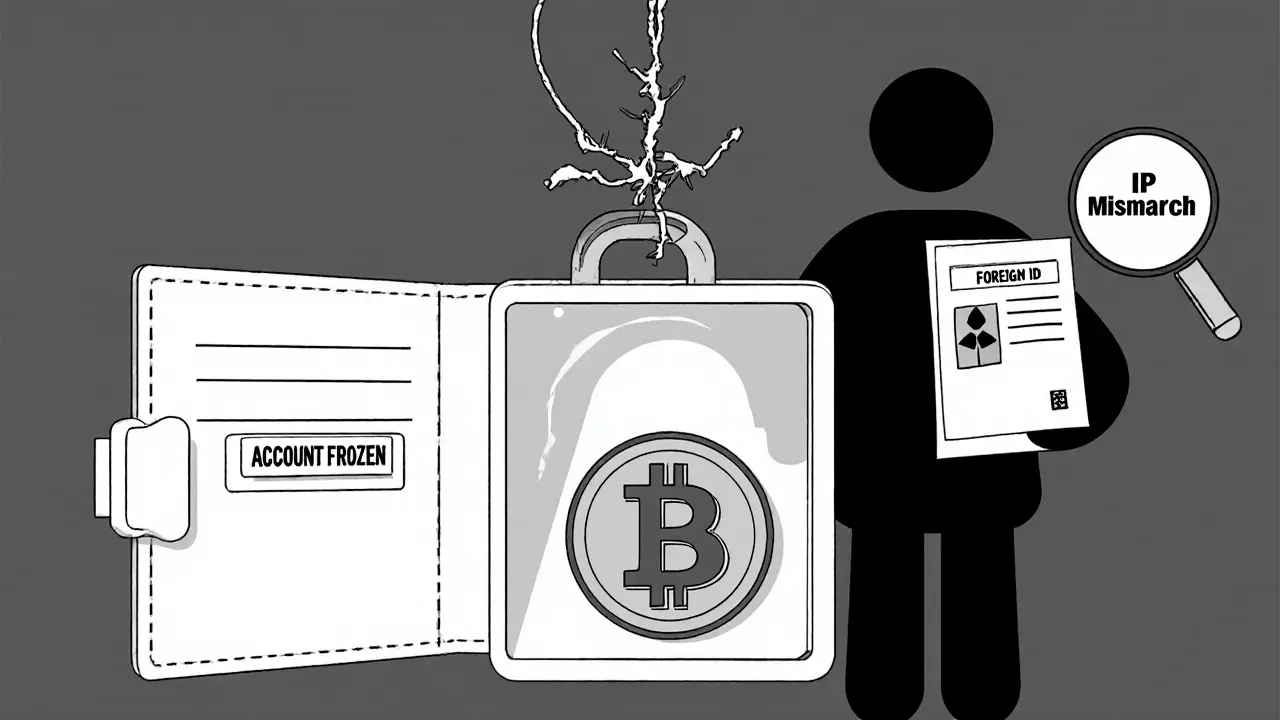
What’s Next for Bybit’s Geofencing?
Bybit won’t stop using geofencing. It’s too useful for avoiding massive fines. But they’ll likely upgrade their detection tools soon. Industry experts predict exchanges will start using machine learning to spot VPN patterns. Things like: how often you switch locations, whether your device ID matches across sessions, if your browser settings look like they’re from a virtual machine. These signals are harder to fake than an IP address. Some platforms, like the Sky Protocol, already block all VPN traffic - no exceptions. That’s extreme. But it shows where the industry is heading: stricter, more automated, less forgiving. Bybit might not go that far. But if regulators keep pressuring them - and they will - they’ll have to do more than just check IPs. For now, the system is imperfect. But that won’t last forever.Should You Use a VPN With Bybit?
If you're in the U.S., the answer is simple: don’t. Use a licensed exchange. It’s safer, legal, and less stressful. If you’re outside the U.S. and your local banks won’t let you trade crypto, then a VPN might be your only option. But know the risks:- Your account can be frozen at any time
- You won’t get your money back if flagged
- You’re violating Bybit’s terms - no exceptions
- Future updates could block your current VPN instantly
Final Reality Check
Bybit offers great liquidity, low fees, and advanced trading tools. That’s why so many traders risk using it from restricted countries. But the platform isn’t built for you. It’s built to satisfy regulators - not to serve users who want to bypass rules. The truth? If you need Bybit’s features badly enough to use a VPN, you’re already in a gray zone. And gray zones don’t last. They get cleaned up. Your money is worth more than the convenience of one exchange. Don’t gamble it on a system that can - and will - take it back without warning.Can I use a VPN to access Bybit from the United States?
Technically, yes - many users do. But it violates Bybit’s Terms of Service. If detected, your account can be frozen without notice, and your funds may be held indefinitely. There is no guaranteed way to reverse this, and customer support will not help you recover access.
Does Bybit actively block VPN traffic?
Not reliably. Bybit currently relies mostly on IP geolocation to detect location, not advanced VPN fingerprinting. Many commercial VPNs still work because their server IPs aren’t on Bybit’s blocklist. But this could change at any time as the platform upgrades its security systems.
What happens if I get caught using a VPN on Bybit?
Your account may be suspended immediately. Funds are typically frozen, and you’ll lose access to trading and withdrawals. There is no formal appeal process. While some users have regained access by proving they relocated, most do not. This is a risk you accept when bypassing geo-blocks.
Why does Bybit block U.S. users?
Bybit chose not to obtain a U.S. regulatory license, unlike Coinbase or Kraken. To avoid massive fines and legal action - like the $4.3 billion penalty Binance paid - Bybit implemented geofencing to block U.S. IP addresses. It’s a compliance shortcut to keep operating globally without U.S. oversight.
Are there safer alternatives to Bybit for U.S. traders?
Yes. Coinbase, Kraken, and Gemini are fully licensed in the U.S. and comply with federal and state regulations. While they may have higher fees or fewer trading pairs, your funds are protected by legal oversight, and you won’t risk account freezes or asset seizures for using a VPN.
Can I use a foreign ID to sign up for Bybit if I live in the U.S.?
You can try, but it’s against Bybit’s rules. The platform cross-references your ID’s country of issue with your IP location. If they detect a mismatch - like a U.S. resident using a Canadian ID - your account may be flagged for review. If confirmed as fraudulent, your account will be frozen. This is considered identity misrepresentation and carries serious consequences.