Kosovo Bans Crypto Mining to Fight Energy Crisis: What Happened and Where Things Stand in 2026
 Jan, 20 2026
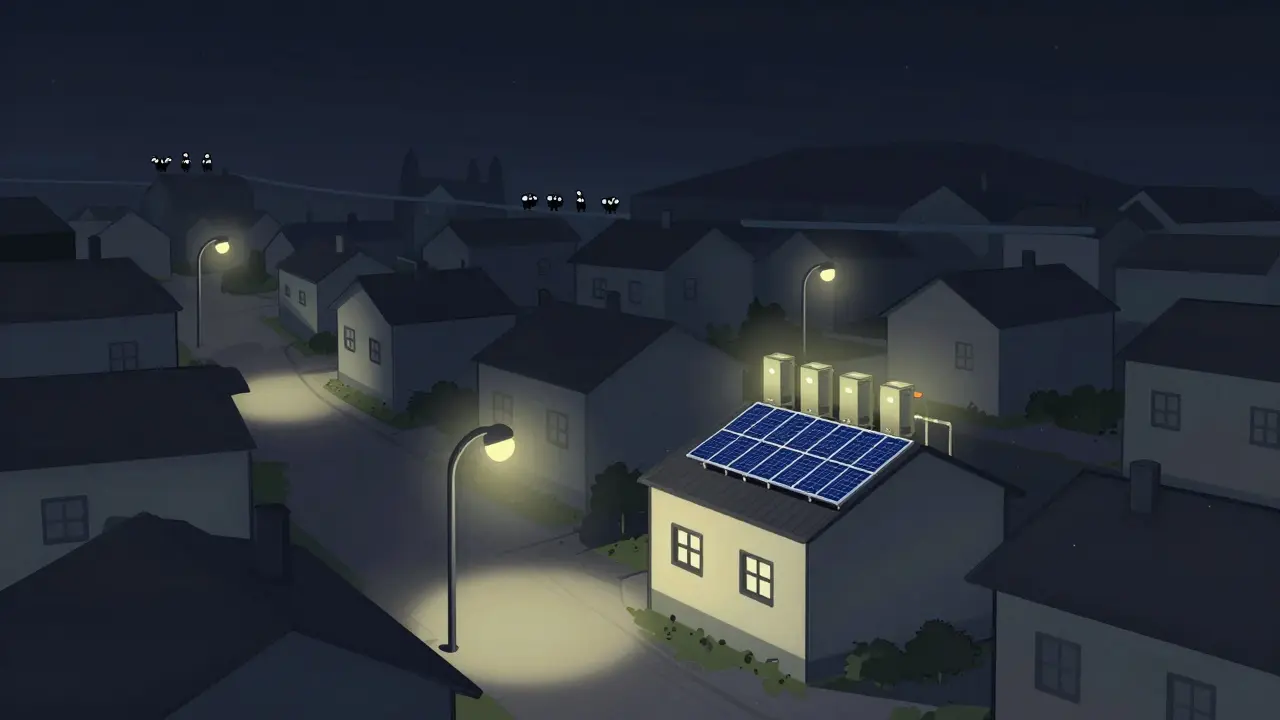
On January 4, 2022, Kosovo shut down its entire cryptocurrency mining industry overnight. Not because of fear of Bitcoin. Not because of fraud. But because the lights were going out across the country.
Kosovo, a small nation of 1.8 million people in the Balkans, was running out of electricity. One of its two major coal plants had failed. Imports were too expensive. Homes were freezing in winter. And hundreds of crypto miners, armed with racks of high-powered computers, were using as much power as a small town - for free.
Miners in northern Kosovo were pulling in up to €2,000 a month by running machines that chewed through electricity like a furnace. That’s five times the average salary. The government didn’t care how much money they were making. They cared that schools and hospitals were losing power.
Police raided homes, warehouses, and garages. They seized over 10,000 mining rigs in the first month. Each rig cost between €20,000 and €30,000. People lost their life savings in one night. Some miners had borrowed money to buy the equipment. Others had quit their jobs to mine full-time. For many, it wasn’t a side hustle - it was their only income.
Why Crypto Mining Crushed Kosovo’s Grid
Cryptocurrency mining isn’t like browsing the web or streaming videos. It’s a constant, heavy-duty process. Machines solve complex math problems to verify transactions on networks like Bitcoin. Every solution requires massive amounts of electricity - and generates heat. A single mining rig can use as much power as a refrigerator, a washing machine, and five TVs running nonstop.
Kosovo’s electricity was already cheap and mostly coal-powered. That made it perfect for miners. No one checked how much power they used. No one billed them. The grid was designed for homes and factories - not 24/7 industrial computing.
By late 2021, the country was importing 40% of its electricity. Prices soared. Blackouts hit rural areas for up to 12 hours a day. The government declared a 60-day state of emergency. That’s when they made the call: stop mining. Now.
The Ban Wasn’t Just About Power - It Was About Control
The ban wasn’t just a reaction. It was a power grab.
Before the ban, mining was mostly concentrated in the Serb-majority north - an area with weak central government control. Local leaders turned a blind eye. Some even profited from it. The government suspected organized crime was behind the operations. Money laundering. Tax evasion. Illegal energy theft.
By banning mining, Kosovo wasn’t just saving electricity. It was asserting authority over a region that had long operated outside its reach. The crackdown sent a message: no one is above the law - not even the miners.
But here’s the twist: the government didn’t want to kill crypto forever. They wanted to control it.
From Total Ban to Conditional Permission
By 2023, the energy crisis had eased - slightly. Coal plants were repaired. Imports stabilized. But the government didn’t lift the ban. Instead, they changed it.
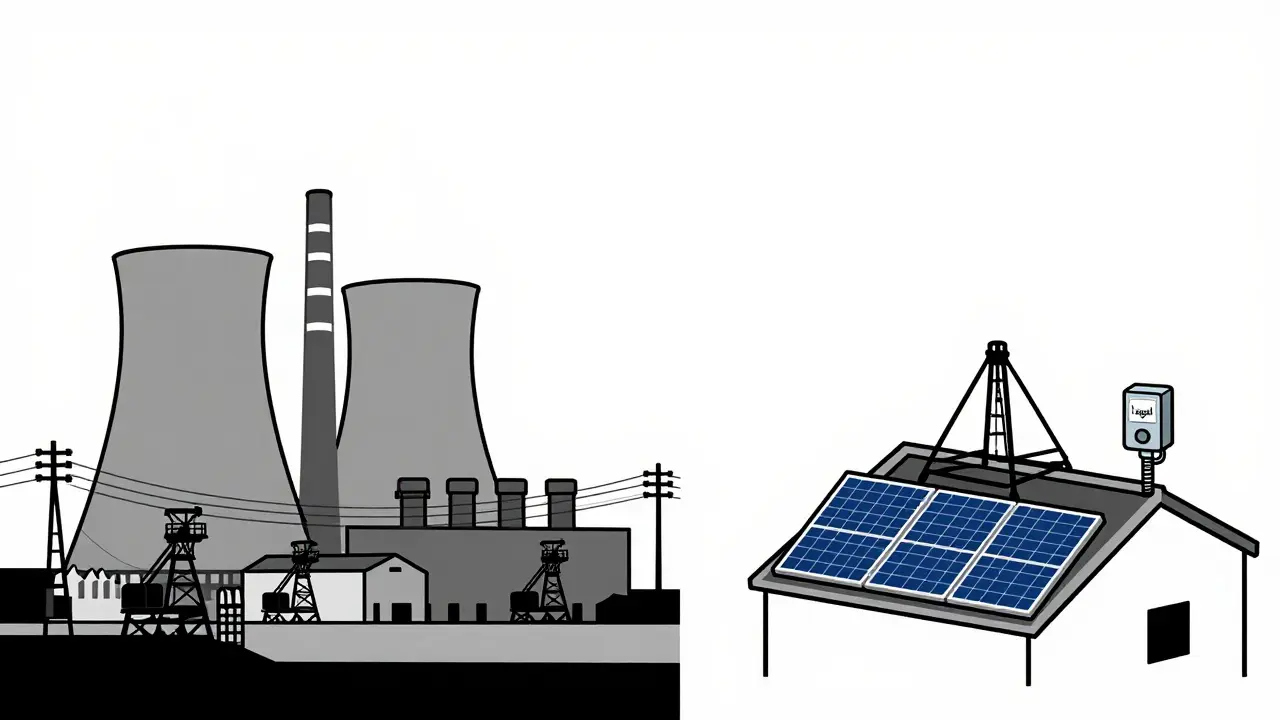
As of 2026, crypto mining is still illegal if it uses the national grid. But if you use your own solar panels, wind turbines, or private generators powered by renewable sources? You’re allowed to mine.
This isn’t a loophole. It’s a policy. The government wants to keep the economic benefits of mining - jobs, tax revenue, tech investment - but only if it doesn’t hurt the public.
There’s a catch: you must register your equipment. You must prove your energy source. You must pay taxes. And you can’t operate in bulk. Large mining farms are still banned. Only small-scale, off-grid operations are permitted.
It’s a strange compromise. But it works. A few hundred miners now run rigs on rooftop solar. A handful of startups are building hybrid energy hubs - combining solar, battery storage, and mining to make the whole thing profitable without touching the grid.
Why Kosovo’s Model Matters Globally
Kosovo isn’t the only country that cracked down on crypto mining. China shut down its entire industry in 2021. Russia, Egypt, and Algeria followed. But Kosovo’s approach is different.
Most countries just said: “No mining.” Kosovo said: “Only if you don’t steal our power.”
It’s the first time a country turned a crisis into a blueprint. Instead of banning innovation, they tied it to sustainability. Instead of punishing miners, they gave them a legal path - if they played by new rules.
According to the University of Cambridge, only 39% of Bitcoin mining globally runs on renewable energy. The rest burns fossil fuels. Kosovo’s new rules force miners to be part of the solution - not the problem.
What Happened to the Miners?
Some left. Many went underground. Others retrained.
One miner in Mitrovica, who asked to remain anonymous, sold his 30 rigs for €15,000 - less than half what he paid. He used the money to open a small auto repair shop. “I didn’t want to be a criminal,” he said. “I just wanted to make money. Now I fix cars. It’s honest work.”
A few others turned to tech. One group started a company that builds solar-powered charging stations for electric scooters - using the same hardware they once used for mining. They call it “Reclaimed Hash.”
But the pain remains. Families still talk about the night the police came. The sound of machines being unplugged. The silence after the lights went out - not because of a blackout, but because the machines stopped.
The Law Still Isn’t Final
As of early 2026, Kosovo’s draft cryptocurrency law is 90% done. But it’s stuck. The European Commission is reviewing it. They want stronger anti-money laundering rules. They want KYC checks. They want transaction tracking.
Kosovo’s government agrees - but they’re slow. Bureaucracy. Political infighting. Lack of tech experts. The law hasn’t passed. So mining stays in legal limbo: allowed only if you’re off-grid, but not officially legalized.
That’s risky. Miners operate in gray zones. One wrong inspection, one unregistered rig, and you’re back to confiscation.
What’s Next for Kosovo?
The country now has a choice: become a leader in green crypto, or fall back into old habits.
If they finalize the law, they could attract clean-tech investors. If they delay, miners will keep sneaking back onto the grid. And when the next winter hits - and the coal plant fails again - they’ll be right back where they started.
Kosovo’s story isn’t just about crypto. It’s about what happens when a poor country tries to balance survival with innovation. When the lights are out, you don’t ask if Bitcoin is worth it. You ask: who’s using the power?”
Is crypto mining still illegal in Kosovo?
Crypto mining is not outright illegal in Kosovo as of 2026, but it’s heavily restricted. Mining is only permitted if you use your own renewable energy source - like solar panels or wind turbines - and not the national power grid. Any mining connected to the public grid is still banned and subject to equipment seizure and fines.
Why did Kosovo ban crypto mining in the first place?
Kosovo banned crypto mining in January 2022 because the country was facing a severe energy crisis. One of its two main coal power plants had shut down, causing widespread blackouts. Cryptocurrency miners - using free, subsidized electricity - were consuming massive amounts of power, sometimes more than entire towns. The government acted to protect public services like hospitals and schools.
How much electricity does crypto mining use in Kosovo?
Before the ban, crypto mining consumed an estimated 15-20% of Kosovo’s total electricity output - roughly equivalent to the entire energy needs of the capital city, Pristina. A single mining rig uses about 1.5-2 kW continuously. A small farm of 100 rigs can draw as much power as 1,000 average homes.
Can I mine crypto in Kosovo legally today?
Yes - but only under strict conditions. You must use renewable energy you generate yourself (solar, wind, etc.), register your equipment with authorities, pay taxes on earnings, and operate at a small scale. Large mining farms and grid-connected operations remain illegal. Enforcement is inconsistent, but penalties are severe if caught.
What happened to the miners after the ban?
Many miners lost everything. Hundreds of rigs were confiscated and sold off by the government. Some miners left the country. Others turned to legal work - fixing cars, opening shops, or starting small renewable energy businesses. A few adapted by using solar panels to power their rigs legally. The community was shattered, but some are rebuilding.
Is Kosovo’s crypto mining ban unique?
Yes. While countries like China and Russia banned mining outright, Kosovo is one of the first to allow it under strict conditions tied to renewable energy use. This makes it a test case for other nations facing energy shortages. It’s not about stopping crypto - it’s about making sure it doesn’t drain public resources.
Does Kosovo plan to legalize crypto mining fully?
Not without conditions. The government wants to regulate mining, not eliminate it. A draft law is nearly complete but stalled due to EU pressure to add anti-money laundering rules. Full legalization would require transparent tracking of transactions, taxation, and proof of clean energy use. Until then, the current rules stand.
What’s the environmental impact of crypto mining in Kosovo?
Before the ban, nearly all mining in Kosovo relied on coal-powered electricity - one of the dirtiest sources globally. The country already had some of the highest carbon emissions per capita in Europe. Crypto mining added 15-20% more coal consumption annually. Now, with off-grid rules, the environmental burden has dropped significantly - but only for those following the rules.