Legal Risks for Tunisian Crypto Users and Traders in 2026
 Feb, 7 2026
If you're in Tunisia and you're holding Bitcoin, Ethereum, or any other cryptocurrency, you're breaking the law. Not just a little bit - completely. The Central Bank of Tunisia (BCT) has banned all cryptocurrency activity since 2018, and enforcement has only gotten stricter. There are no loopholes, no gray areas. If you trade, mine, accept crypto as payment, or even just hold it, you're risking jail time - up to five years - and your assets will be seized.
What’s Actually Illegal in Tunisia?
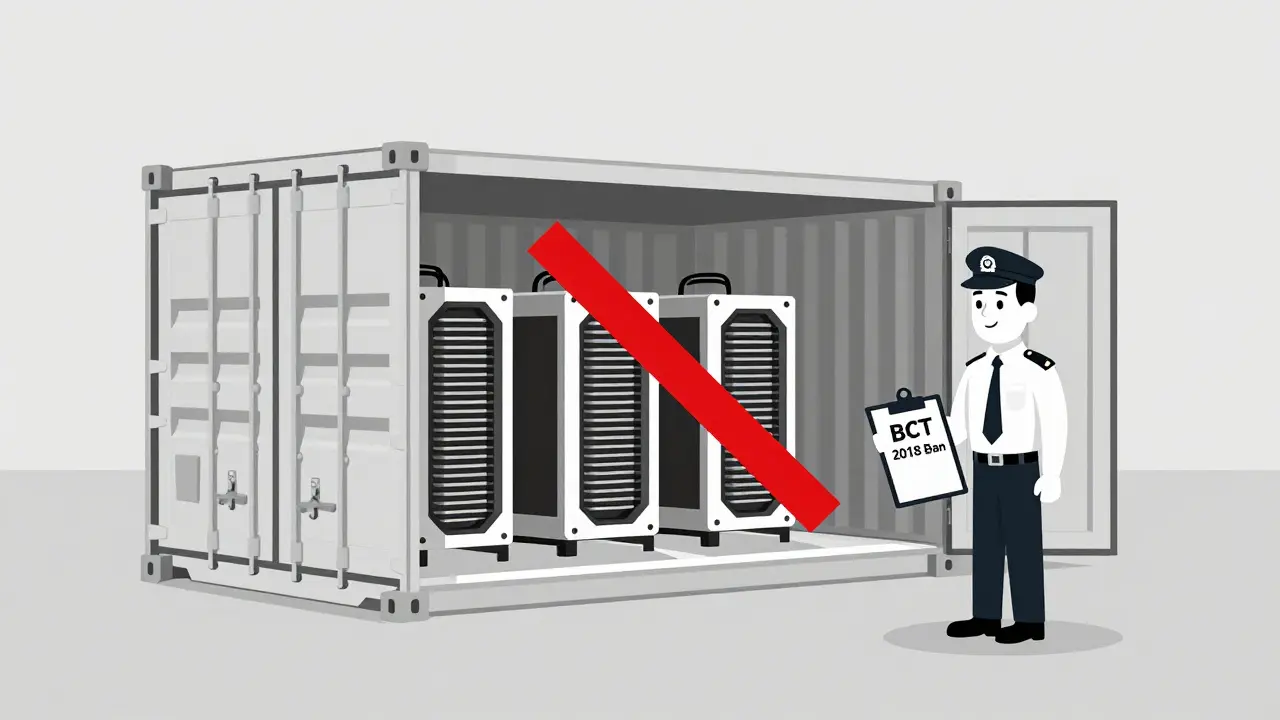
Tunisia doesn’t just discourage crypto - it outlaws every single activity around it. The BCT’s 2018 directive is absolute: no trading, no mining, no payments, no exchanges. It doesn’t matter if you bought Bitcoin on Binance or mined it with a rig in your garage. Both are criminal acts under Tunisian currency control law. Merchants can’t accept crypto for goods or services. Banks are legally required to block any transaction linked to cryptocurrency. Even importing mining hardware like ASIC rigs is illegal - customs officials have the right to seize equipment at ports. If you’re caught with mining gear, you don’t just lose the equipment; you could be charged with a criminal offense. Initial Coin Offerings (ICOs) are banned. Security tokens? They’d need approval from the Financial Market Council (CMF), which hasn’t granted any. Utility tokens? Only allowed in closed, government-supervised pilot programs - and even those are rare. No one in Tunisia can legally launch a token or raise funds through crypto.Who’s Enforcing These Rules?
Three government bodies work together to crush crypto activity:- Central Bank of Tunisia (BCT): The main enforcer. It issued the 2018 ban and runs the only legal pathway - a regulatory sandbox. But even that’s tightly controlled.
- Financial Market Council (CMF): Watches capital markets. It’s the gatekeeper for any future security tokens, though none have been approved.
- National Anti-Money-Laundering Commission (CTAF): Monitors suspicious financial activity. Banks must report any crypto-related transfers to them.
What Happens If You Get Caught?
The penalties aren’t warnings - they’re prison sentences.- Up to five years in prison for any crypto-related activity: trading, mining, holding, or promoting.
- All profits seized. If you made $10,000 in Bitcoin, the state takes it. No appeal.
- Companies can’t record crypto on their books. Even if you bought crypto as an investment, accounting systems must ignore it. This makes audits risky and financial reporting impossible.
- Bank accounts frozen. If your bank detects a transfer to or from a crypto exchange, they’re required to report it - and often freeze the account.
How Are People Still Using Crypto?
Despite the ban, demand hasn’t disappeared. In fact, it’s growing. Many Tunisians use VPNs to access foreign exchanges like Binance or Kraken. They trade on peer-to-peer platforms, often paying in cash or using mobile money apps like Orange Money. Some meet in person - no digital trails, no bank records. Others use encrypted apps like Signal or Telegram to coordinate trades. But these aren’t safe. There are documented cases of accounts being frozen, SIM cards deactivated, and people questioned by police after international transfers flagged as suspicious. One Reddit user in Sfax reported being summoned by the tax authority after sending $3,000 to a Binance wallet. They had to prove the money wasn’t crypto-related - a nearly impossible task. The underground market is alive, but it’s dangerous. No legal protection. No recourse if you’re scammed. No way to report fraud. You’re on your own.What About Blockchain Technology?
Here’s the twist: Tunisia doesn’t hate blockchain - it just hates decentralized crypto. The government allows permissioned blockchain use for things like supply chain tracking and public record-keeping. The BCT even built its own digital currency prototype called E-Dinar, but it’s not for public use. It’s a government-controlled system - no decentralization, no anonymity. Startups like VFunder (for crowdfunding) and Hydro E-Blocks (for carbon credits) are allowed in the sandbox, but only if they host their servers outside Tunisia. This means real innovation is happening - just not in Tunisia. Entrepreneurs are leaving. Tech talent is fleeing to Morocco, Egypt, or Europe.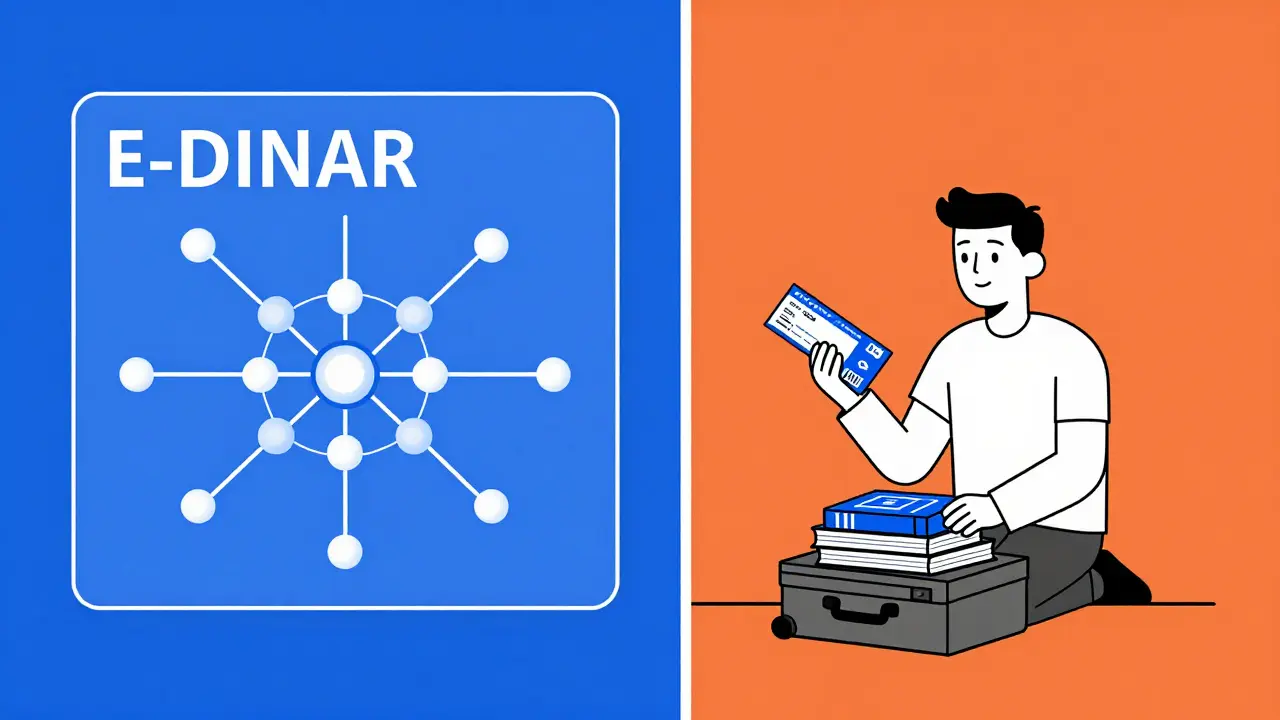
Why Does Tunisia Have Such a Harsh Stance?
Tunisia’s government fears losing control over its currency and financial system. They see crypto as a threat to the Tunisian dinar and a tool for capital flight. They worry about money laundering, even though most crypto users aren’t criminals - they’re just trying to save money or send remittances. Compared to other countries, Tunisia’s ban is extreme. In Nigeria, crypto is banned but still widely used. In El Salvador, Bitcoin is legal tender. In Canada and Switzerland, crypto is regulated - not outlawed. Tunisia’s five-year prison sentence puts it in the same league as China and Saudi Arabia - countries with some of the strictest crypto rules in the world.What’s the Real Cost to Tunisians?
The ban isn’t just about law - it’s about opportunity. Tunisian developers, engineers, and entrepreneurs who want to work in blockchain have to leave. Startups can’t raise funds. Investors can’t participate. The country’s tech sector is being starved of innovation. Meanwhile, global crypto markets keep growing. DeFi, NFTs, tokenized assets - these aren’t going away. Tunisia is cutting itself off from the future. And while the government thinks it’s protecting the economy, it’s actually making it weaker.Is There Any Hope for Change?
There are whispers of reform. Some lawmakers have suggested classifying crypto as “virtual assets” and bringing it under FATF’s travel rule - which would mean regulated exchanges, not a ban. But no bill has passed. No timeline exists. The sandbox program is the only sign of flexibility. But it’s not for ordinary users. It’s for government-approved pilots. And even those are hosted overseas. Until the BCT changes its stance, the only legal advice is simple: avoid crypto entirely. No wallet. No exchange. No mining. No peer-to-peer trades. If you’re already holding crypto, you’re at risk - and there’s no legal way to cash out.Is it legal to buy Bitcoin in Tunisia?
No. Buying Bitcoin or any cryptocurrency is illegal under Tunisia’s 2018 Central Bank directive. Any transaction involving crypto - including peer-to-peer trades, exchange purchases, or wallet transfers - is a criminal offense. Violators can face up to five years in prison and asset seizure.
Can I mine cryptocurrency in Tunisia?
Mining is explicitly banned. Importing ASIC miners or any mining equipment is illegal, and customs authorities can seize it. Even if you mine using electricity at home, the act of generating crypto is a violation of the currency control law. If discovered, you risk prosecution, fines, and imprisonment.
What happens if I’m caught holding crypto?
Holding cryptocurrency is considered an illegal asset under Tunisian law. Authorities can seize your digital assets, freeze your bank account, and investigate your financial history. If you’re found to have traded or received crypto, you can be charged with a criminal offense and face up to five years in prison. There is no legal way to declare or convert crypto holdings into dinars.
Can I use crypto to pay for goods or services in Tunisia?
No. Merchants are legally prohibited from accepting cryptocurrency as payment. Even if a shop accepts Bitcoin, it’s breaking the law. Businesses that do so risk fines, audits, and criminal charges. The BCT requires all transactions to be conducted in Tunisian dinar through approved banking channels.
Are there any legal crypto exchanges in Tunisia?
No. Tunisia does not issue licenses to any cryptocurrency exchanges, custodians, or wallet providers. All local exchanges are illegal. Even if an exchange claims to serve Tunisian users, it operates outside the law. Using any exchange - even offshore - still violates Tunisian regulations.
Can I use blockchain technology legally in Tunisia?
Yes - but only under strict conditions. The government allows permissioned blockchain systems for public record-keeping, supply chain tracking, and government projects. These are centralized, controlled by authorities, and do not involve decentralized tokens or cryptocurrencies. The E-Dinar project is an example - it’s not for public use and has no blockchain-based currency.
What should I do if I already own crypto in Tunisia?
There is no legal path to cash out or report crypto holdings. The safest course is to avoid any further activity. Selling, trading, or transferring your crypto increases your legal risk. Some people choose to hold it long-term, hoping for future regulation - but that’s a gamble with serious consequences if caught.
Why doesn’t Tunisia allow crypto like other countries?
Tunisia’s government views cryptocurrency as a threat to monetary sovereignty and a tool for capital flight. It fears losing control over financial flows, especially since crypto can bypass banking oversight. Unlike countries that regulate crypto, Tunisia has chosen total prohibition, believing it protects the dinar and prevents fraud - even though it’s pushing tech talent abroad.