Palmex Crypto Exchange Review: A Regional Player in the MENA Crypto Market
 Jan, 15 2026
If you're in the Middle East or North Africa and looking to buy Bitcoin or trade altcoins without switching between languages or battling foreign platforms, Palmex might seem like a promising option. But is it actually safe, usable, or worth your time in 2026? Most people asking this question are frustrated with global exchanges that don’t support Arabic, charge high fees for USD deposits, or make it hard to buy crypto with local bank transfers. Palmex claims to fix all that - but the truth is more complicated.
What Palmex Actually Offers
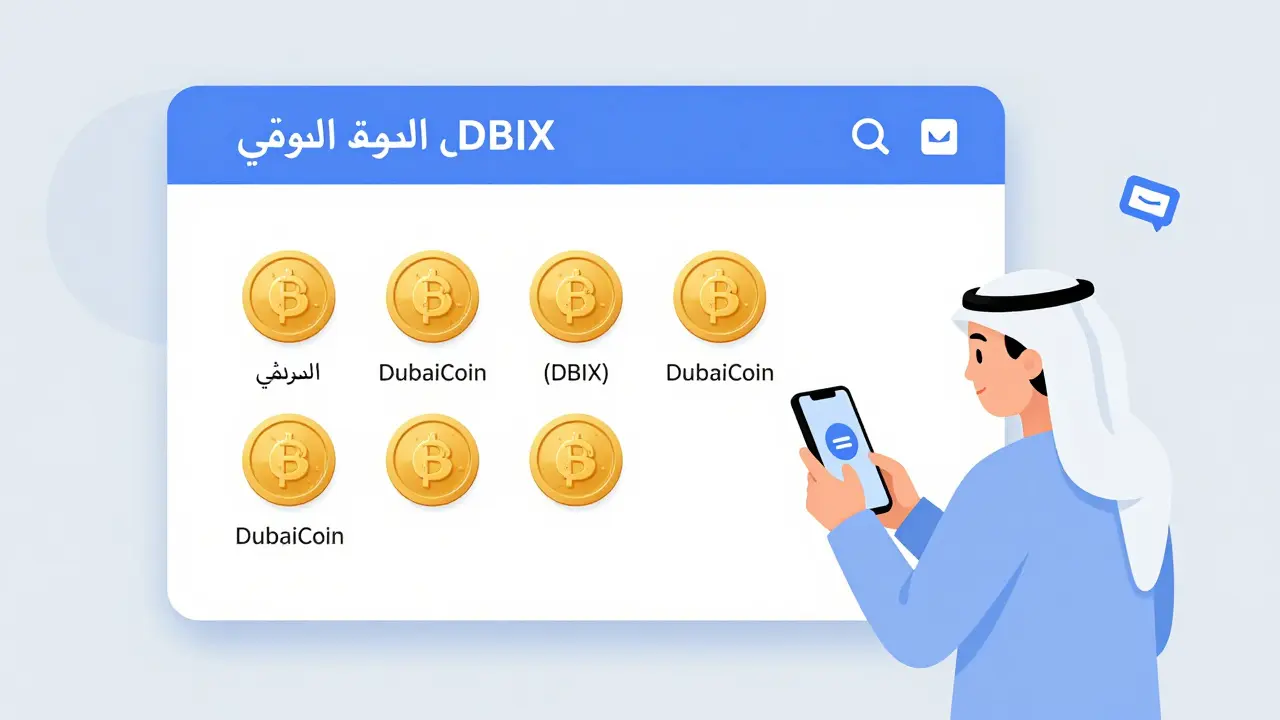
Palmex isn’t another Binance or Coinbase clone. It’s built for one purpose: serving traders in the MENA region. That means Arabic and English interfaces, USD-only deposits, and a small but intentional list of coins. You won’t find hundreds of tokens here. You’ll find seven: Bitcoin (BTC), Ethereum (ETH), Litecoin (LTC), Bitcoin Cash (BCH), and two versions of DubaiCoin - DBIC and DBIX. The latter is the standout. DBIX is marketed as the first decentralized cryptocurrency launched in the MENA region. It’s not just a gimmick - it’s a deliberate move to support local blockchain development.For users in Saudi Arabia, Egypt, UAE, or Nigeria, this matters. Most global exchanges either don’t accept local IDs or make you jump through hoops to deposit money. Palmex doesn’t. It’s designed to work with regional banking systems. If you’re trying to buy crypto without a foreign bank account, this is one of the few platforms that actually tries to make it work.
The Trading Experience
The interface is clean. No cluttered dashboards. No overwhelming charts for beginners. The web platform and mobile apps (iOS and Android) are simple to navigate. You can buy BTC in under a minute if you’ve already verified your identity. The order book is basic, but it works. Advanced traders will miss depth charts, stop-loss orders, or margin trading - those features aren’t here. But that’s not the point. Palmex targets people who want to buy crypto, not day-trade it.One real win: the dual-language support. Switching between Arabic and English isn’t just a toggle - it’s fully localized. Buttons, error messages, even help articles change language seamlessly. Most global exchanges offer Arabic as a translated afterthought. Palmex treats it as core. That’s rare.
Liquidity Is the Big Problem
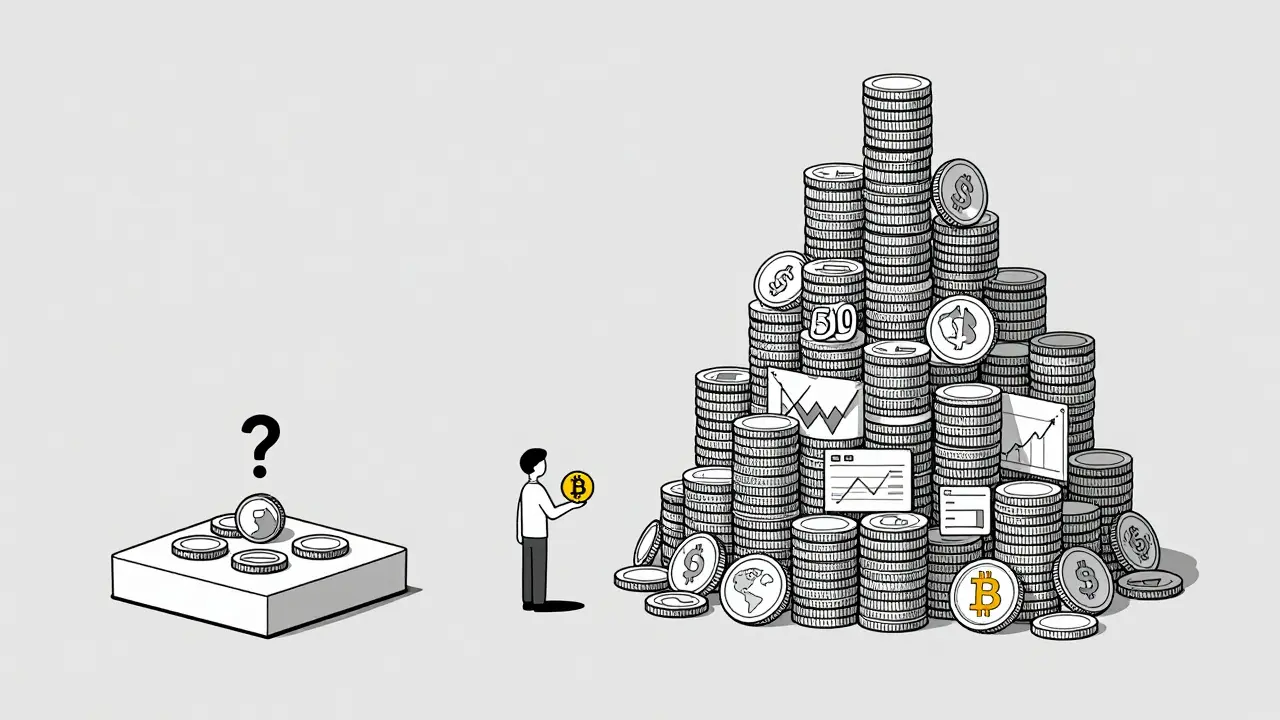
Here’s the catch: almost no one is trading on Palmex. Volume is tiny. On a good day, total trading volume might hit $50,000. Compare that to Binance, which does over $20 billion daily. What does that mean for you?- If you want to buy $100 of BTC - no problem.
- If you want to sell $5,000 of ETH - you’ll likely get a bad price or wait hours.
- DBIX and DBIC? Good luck finding buyers. They’re mostly held by early adopters, not traders.
This isn’t a dealbreaker if you’re a long-term holder. But if you plan to trade frequently or move in and out of positions, you’ll hit walls. Low liquidity means slippage, delayed trades, and frustration. Palmex hasn’t cracked the code on attracting enough users to create a real market.

Security and Trust - The Missing Pieces
This is where Palmex gets shaky. There’s no public information about security audits. No proof-of-reserves reports. No details on cold storage or multi-sig wallets. No mention of insurance for user funds. That’s not normal for a crypto exchange - even small ones - in 2026.There are no reviews on Trustpilot, Reddit, or CryptoCompare. No YouTube tutorials. No user testimonials. That’s a red flag. If a platform is legit and growing, people talk about it. Silence here suggests either extreme newness or lack of trust.
Also missing: clear details on fees. The website says “competitive fees” but doesn’t list them. Withdrawal costs? Deposit limits? KYC requirements? All vague. That’s not transparency - it’s avoidance.
Who Is Palmex For?
Palmex isn’t for everyone. It’s not for traders in the U.S., Europe, or Asia. It’s not for people who want to trade 500+ coins. It’s not for those who need 24/7 customer support.It is for:
- Someone in Cairo, Riyadh, or Casablanca who speaks Arabic and wants to buy Bitcoin without switching to English-only platforms.
- A person who can’t use international payment processors like Stripe or PayPal and needs USD deposits via local banks.
- An early adopter who believes in DubaiCoin as a regional blockchain project and wants to support it.
- A beginner who wants a simple, no-frills way to get into crypto without being overwhelmed.
If you fit that profile, Palmex might be your best local option right now. But you’re trading convenience for risk. You’re betting that this platform grows - and that your money stays safe while it does.
How Palmex Compares to the Rest
| Feature | Palmex | Binance / Coinbase / Kraken |
|---|---|---|
| Cryptocurrencies Supported | 7 (including DBIX and DBIC) | 500+ |
| Fiat Currencies | USD only | 50+ (EUR, GBP, AED, SAR, NGN, etc.) |
| Language Support | Arabic and English | English + limited Arabic (poor translation) |
| Trading Volume | Very low ($50K/day max) | Billions per day |
| Security Transparency | No audits, no proof-of-reserves | Public audits, cold storage, insurance |
| User Base | Small, region-specific | Global, millions of users |
| Mobile Apps | Yes (iOS and Android) | Yes, with advanced features |
Global exchanges win on scale, security, and features. Palmex wins on localization. It’s the difference between a Walmart and a family-run shop in your neighborhood. One has everything. The other knows your name and speaks your language.
The Verdict: Worth Trying?
If you’re in the MENA region and you’ve tried everything else - and it didn’t work - then Palmex is worth a small test. Deposit $50. Buy a fraction of a Bitcoin. See how the app feels. Try to withdraw it later. If everything works smoothly, you’ve found a rare local tool that actually tries to serve you.But don’t put your life savings here. Don’t assume it’s safe just because it’s local. Don’t trade big amounts. And don’t expect customer service to respond quickly - there’s no evidence they can.
Palmex has potential. It’s one of the few exchanges trying to solve real problems for Arab and African crypto users. But it’s still early. Too early to trust completely. Think of it as a beta version - useful if you’re patient, cautious, and willing to wait for it to grow.
What’s Next for Palmex?
If Palmex wants to survive beyond 2026, it needs three things:- More users - Without volume, it’s just a website with no market.
- Transparency - Publish security audits, fee schedules, and team details.
- More coins - Add USDT, SOL, and XRP. People want stablecoins for transfers and savings.
If they do that, they could become the go-to exchange for 50 million people in the region. If they don’t, they’ll fade into obscurity like dozens of other regional crypto projects that promised the world but never delivered.
Right now, Palmex is a hopeful experiment - not a reliable platform. But in a market full of copycats, it’s one of the few trying to do something different. That’s worth watching.
Is Palmex a scam?
There’s no evidence Palmex is a scam - but there’s also no proof it’s fully trustworthy. No audits, no public team, no user reviews. That’s not normal for a legitimate exchange. It’s risky, but not necessarily fraudulent. Treat it like a startup you’re testing with a small amount of money - not your life savings.
Can I deposit money from Egypt or Saudi Arabia?
Yes. Palmex is designed for users in the MENA region and supports USD deposits via local bank transfers. It’s one of the few platforms that doesn’t require a foreign bank account. However, exact deposit methods aren’t listed on their site - you’ll need to contact support to confirm what banks are accepted.
Does Palmex support other currencies besides USD?
No. Palmex only supports USD for fiat deposits and withdrawals. If you’re in a country that uses AED, SAR, or EGP, you’ll need to convert your local currency to USD first - either through your bank or a peer-to-peer service - before depositing.
Is DubaiCoin (DBIX) a good investment?
DBIX is a low-cap token with almost no trading volume outside Palmex. It’s not listed on any major exchange. Its value is tied entirely to Palmex’s success. If Palmex grows, DBIX might rise. If Palmex fails, DBIX becomes worthless. It’s a high-risk, speculative bet - not a solid investment.
Are the mobile apps safe to use?
The apps are available on official app stores (iOS and Android), which reduces the risk of fake software. But without security audits or public code reviews, you can’t be certain your private keys are handled safely. Use two-factor authentication if available, and never store large amounts on the app.
What are the trading fees on Palmex?
Palmex doesn’t publish its fee structure. Withdrawal fees, deposit fees, and trading fees are not listed anywhere on their website. This lack of transparency is a major red flag. You’ll need to contact customer support to find out how much you’ll pay - and even then, answers may be vague.
Can I use Palmex if I’m not in the MENA region?
Technically, yes - the platform is accessible worldwide. But it’s designed for MENA users. You’ll still need to deposit USD, and you won’t benefit from local banking support. Global exchanges offer better liquidity, lower fees, and more coins. Unless you specifically want to trade DBIX, there’s no reason to use Palmex outside the region.