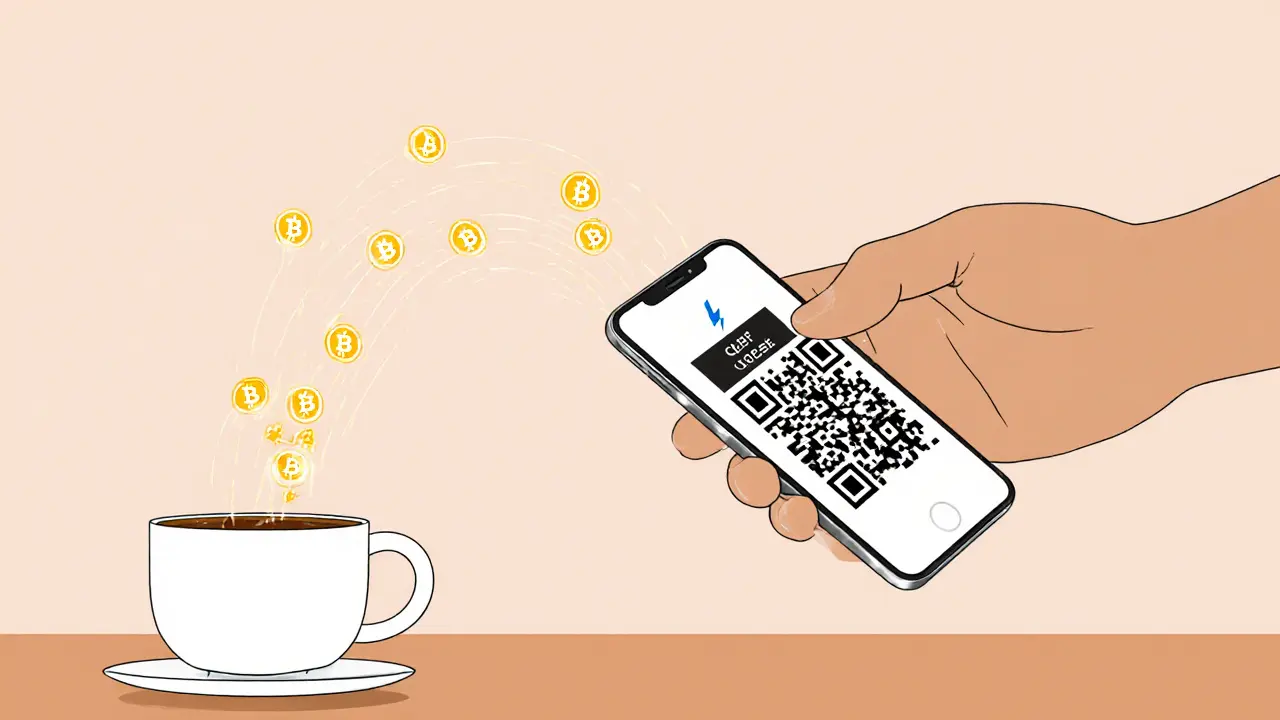
Bitcoin Payments: How They Work, Where They’re Used, and What You Need to Know
When you make a Bitcoin payment, a direct, peer-to-peer transfer of value over the Bitcoin blockchain, verified by network nodes and recorded permanently on a public ledger. Also known as cryptocurrency payments, it cuts out banks, reduces fees, and lets anyone with internet send money across borders in minutes. Unlike credit cards or bank wires, there’s no middleman holding your funds or charging you 3% to process a $10 transaction. You’re sending value directly from your wallet to someone else’s—no approval needed, no delays.
This isn’t just theory. Businesses from small online shops to large retailers like Overstock and Newegg have used Bitcoin payments for years. Even in countries with unstable currencies—like Argentina, Nigeria, or Lebanon—people rely on Bitcoin to pay for groceries, rent, or medical bills when local banks fail or freeze accounts. The technology behind it, peer-to-peer payments, a system where transactions occur directly between users without intermediaries, powered by decentralized networks, is the same one that keeps Bitcoin running: thousands of computers verifying every transaction, making fraud nearly impossible.
But here’s the catch: not every Bitcoin payment is smooth. Some merchants accept it but immediately convert it to dollars to avoid price swings. Others charge extra because processing fees on third-party gateways can be high. And while the Bitcoin network itself is secure, bad wallets, phishing scams, and mistaken addresses mean people lose money every day. That’s why understanding how to send and receive Bitcoin safely matters more than ever.
Blockchain payments, the broader category that includes Bitcoin and other crypto transfers recorded on immutable ledgers aren’t just about money. They’re about trust. No government backs Bitcoin. No bank guarantees your payment. The code and the network do. That’s powerful—but it also means you’re 100% responsible. If you send Bitcoin to the wrong address, there’s no cancel button. If you lose your private key, your money is gone forever.
So why do people still use it? Because sometimes, the alternative is worse. In places with capital controls, Bitcoin payments are the only way to send money home. For freelancers working with international clients, it’s faster and cheaper than PayPal or Wise. And for those who believe in financial freedom, it’s a tool to take back control from institutions that profit from your dependence.
The posts below show you what’s really happening with Bitcoin payments right now—not the hype, not the ads. You’ll see how people are using it in real life, what goes wrong, and why some projects that claim to make Bitcoin payments easier are just scams. Some articles dive into how businesses handle the volatility. Others expose fake payment processors pretending to be Bitcoin-friendly. There’s even a piece on how North Korean hackers use crypto payments to launder money—showing you the dark side too.
Whether you’re trying to get paid in Bitcoin, send money abroad, or just understand why this matters, the real stories here will help you avoid mistakes and spot opportunities. No fluff. No theory. Just what works, what doesn’t, and why.
Lightning Network for Instant Bitcoin Payments: How It Works and Why It Matters
0 Comments
The Lightning Network enables instant, low-cost Bitcoin payments by moving transactions off-chain. Learn how it works, its real-world uses, and how to start using it today.