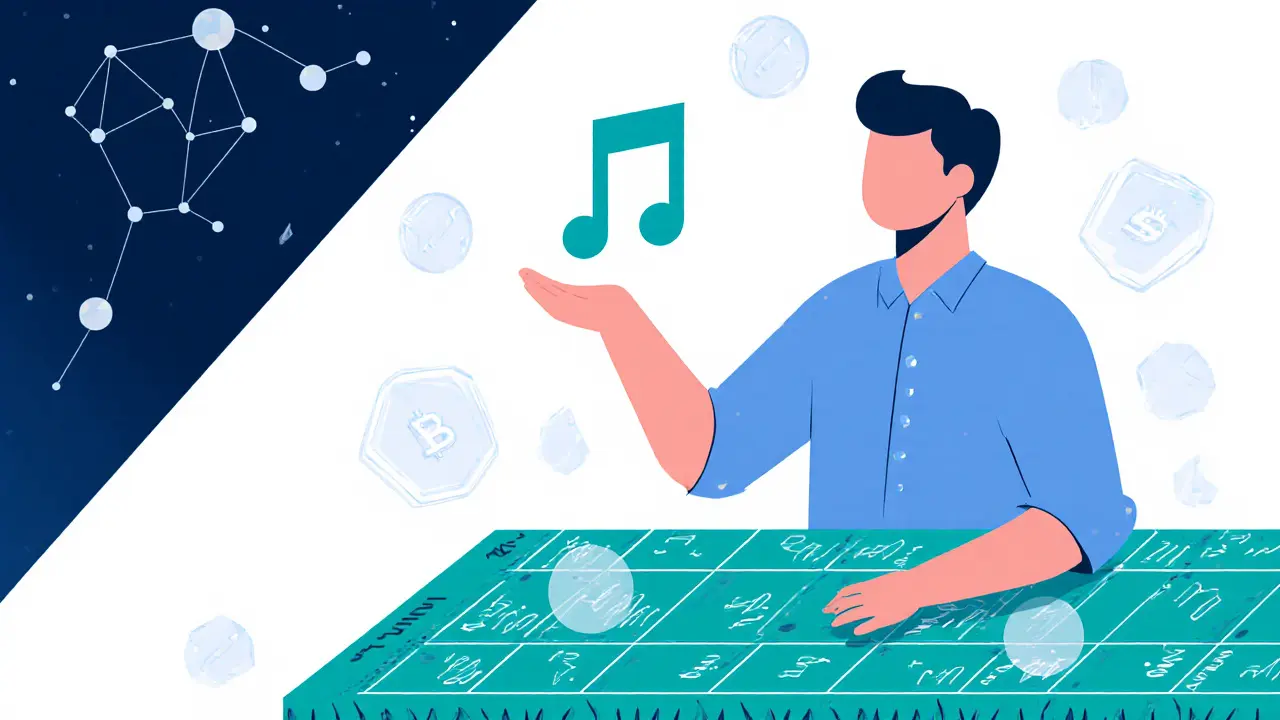
Digital Rights Management: How Crypto and Blockchain Are Changing Control Over Digital Content
When you buy a song, a book, or a video game, you don’t really own it—you just have a license to use it. That’s the reality of digital rights management, a system that controls how digital content is accessed, copied, and shared. Also known as DRM, it’s been used by Apple, Netflix, and Adobe to lock down files, but it often feels like a prison for users, not protection for creators. What if you could truly own your digital stuff? What if artists could sell music directly to fans without middlemen taking 70%? That’s where blockchain, a decentralized ledger that records transactions without a central authority comes in.
Blockchain doesn’t just move money—it moves ownership. NFTs, unique digital tokens that prove you own a specific piece of content, are changing how music, art, and even game items are licensed. Instead of a company locking your ebook behind a server, you hold the key in your wallet. And smart contracts, self-executing code that enforces rules automatically can make sure an artist gets paid every time their song is played or resold. No more hidden royalty deals. No more corporate middlemen. This isn’t theory—it’s already happening in projects like Memento for decentralized ETFs and Age of Tanks with guaranteed NFT rewards.
But it’s not all smooth sailing. Some crypto projects claiming to solve DRM are just hype with zero real use. BananaGuy and FCK925 are meme coins with no utility, and CAJ’s solar internet project vanished after raising funds. Meanwhile, real tools like Hacken Token are being used for actual Web3 security audits. The difference? One side builds infrastructure. The other just sells tokens. The same goes for airdrops: WMX and ACMD had real campaigns. FAN8? Pure scam. If a project talks about "owning your content" but has no team, no code, and no activity, it’s not DRM—it’s a pyramid scheme.
What you’ll find below are real stories—projects that tried to fix digital ownership, those that failed, and the ones that actually moved the needle. From how North Korean hackers launder crypto to how Portugal lets traders keep 100% of their gains, these posts show how control over digital assets is shifting—from corporations to individuals, from licenses to ownership, from silence to transparency. This isn’t about tech jargon. It’s about who really owns what in the digital world—and how crypto is forcing a reckoning.
Digital Rights Management Using Blockchain: How It Works and Why It Matters
0 Comments
Blockchain DRM gives creators control over their digital content by recording ownership and licensing on an immutable ledger. It cuts delays, reduces fraud, and automates royalty payments-without relying on big tech middlemen.