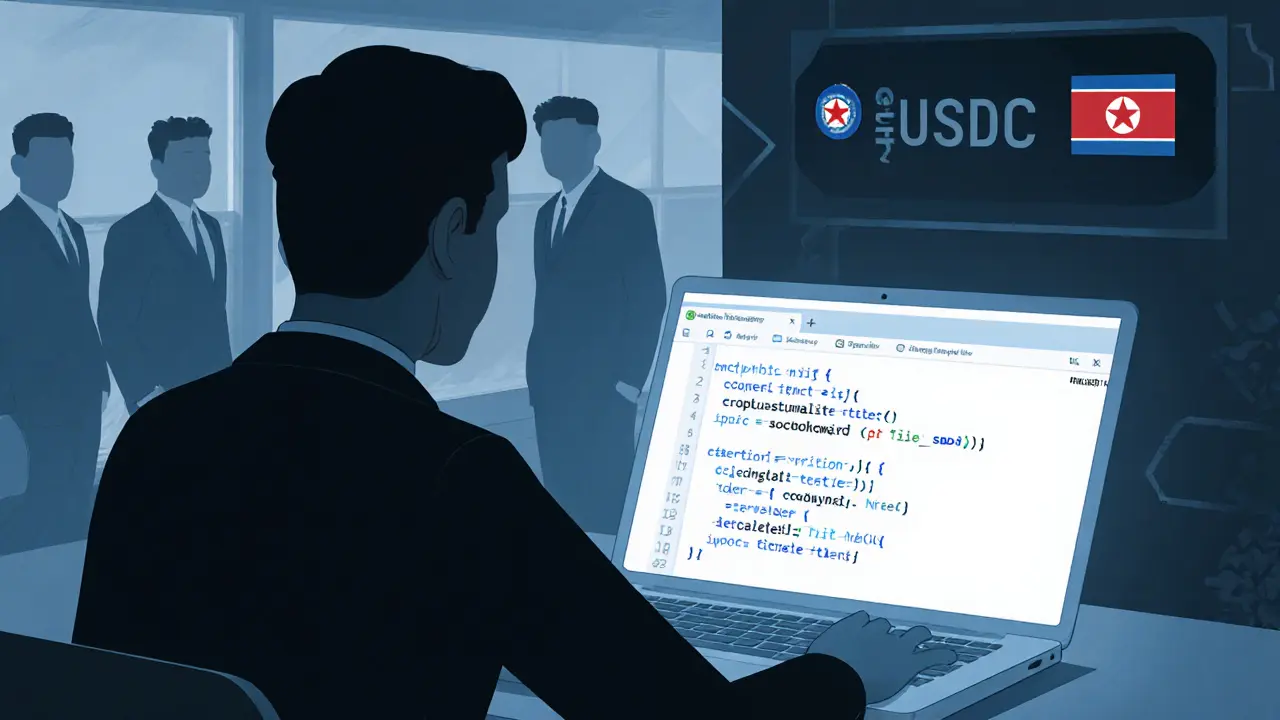
DPRK Cyber Operations: How North Korea Uses Crypto Hacks and Digital Attacks
When you hear about a crypto exchange getting hacked for $200 million, it’s often not some lone hacker in a basement—it’s DPRK cyber operations, state-backed cyber units from North Korea that specialize in digital theft to bypass sanctions and fund military programs. Also known as North Korea crypto hacks, these operations are among the most organized, well-funded, and persistent threats in blockchain history. Unlike typical criminals, they don’t just steal for profit. They steal to survive.
These groups—like Lazarus Group and Bluenorff—aren’t random actors. They’re part of North Korea’s military intelligence, trained in cyber warfare and embedded with access to global financial systems. They target exchanges, DeFi protocols, and even individual wallets. In 2022 alone, they stole over $1.7 billion in crypto, according to Chainalysis. That’s more than what most nations spend on their entire cybersecurity budgets. And they’re not slowing down. They use stolen funds to buy weapons, pay spies, and fund missile programs—all while hiding behind anonymous blockchains and mixers.
What makes DPRK cyber operations so dangerous is how they adapt. When one exchange tightens security, they shift to P2P platforms. When stablecoins get monitored, they turn to privacy coins or NFT laundering. They’ve even created fake airdrops and fake exchange websites to trick users into handing over keys. You’ll see their fingerprints in posts about WazirX, BtcTurk, and other hacked platforms—these aren’t coincidences. They’re patterns. And they’re not going away.
It’s not just about big exchanges, either. Smaller DeFi projects, airdrop campaigns, and even NFT drops are being used as bait. If you’ve ever seen a too-good-to-be-true WMX or ACMD airdrop with no official website, that’s often their work. They don’t need to build a coin—they just need you to click. That’s why posts about FAN8, BananaGuy, and other zero-utility tokens often trace back to these operations. They’re not trying to build value. They’re trying to steal it.
And it’s not just money. These attacks undermine trust in the entire ecosystem. When users lose faith in exchanges, in airdrops, in DeFi—it’s not just a financial loss. It’s a cultural one. The blockchain was supposed to be open, transparent, and fair. DPRK cyber operations turn that into a minefield.
What you’ll find in these posts isn’t just technical breakdowns. It’s real-world case studies: how a hack happened, who was behind it, what went wrong, and how to spot the next one. You’ll see the connection between Iran’s crypto restrictions, Turkey’s exchange collapses, and the rise of fake airdrops—all part of a larger pattern of digital chaos fueled by state actors. This isn’t conspiracy theory. It’s documented history. And if you’re trading crypto, you’re already in the crosshairs.
How North Korean IT Workers Use Crypto Laundering to Bypass Sanctions
0 Comments
North Korean IT workers are using fake identities and crypto payments to launder over $1.6 billion since early 2025, funding weapons programs while hiding in plain sight as remote employees. Here's how they do it - and how to stop them.