ERC-20 Token: What It Is, How It Works, and Why It Powers Most Crypto Projects
When you hear about a new crypto coin like TRAVA, HAI, or DEXTF, chances are it’s built on top of an ERC-20 token, a technical standard used for issuing fungible tokens on the Ethereum blockchain. Also known as Ethereum Request for Comment 20, it’s the reason you can send a token to any wallet without needing a custom network. Think of it like a universal plug — if your coin follows ERC-20, it works with almost every exchange, wallet, and DeFi app out there.
Behind every ERC-20 token is a smart contract, a self-executing code on Ethereum that defines how the token behaves. This code handles things like total supply, who can send or receive tokens, and how balances are tracked. That’s why tokens like USDC, DAI, and even meme coins like BANANAGUY all look and act the same on your wallet — they’re built using the same rulebook. Without this standard, every new token would need its own app, its own wallet support, and its own way of moving value. ERC-20 made it simple.
But here’s the catch: just because a token is ERC-20 doesn’t mean it’s safe or useful. Most tokens on Ethereum are low-cap, anonymous, or outright scams. You’ll see that in the posts below — projects like FAN8 and BANANAGUY use the ERC-20 format to look legit, but they have no team, no utility, and no real adoption. Meanwhile, serious projects like Memento (DEXTF) and Hacken (HAI) use the same standard to build real DeFi tools. The difference isn’t the token type — it’s the project behind it.
ERC-20 also connects directly to DeFi, a system of financial apps that run on blockchain without banks. Most lending, staking, and trading platforms you use — like Wombex or Archimedes Protocol — rely on ERC-20 tokens to move value around. That’s why so many airdrops in this collection involve ERC-20 tokens: they’re the currency of DeFi. Even when a project claims to be cross-chain or multi-network, chances are it still uses ERC-20 as its base.
What you’ll find here isn’t a list of the best ERC-20 tokens. It’s a raw look at what’s actually out there — from real tools that solve problems to empty shells pretending to be innovations. You’ll see how airdrops like WMX and ACMD use ERC-20 to distribute tokens, how scams like FAN8 copy the format to trick users, and why even trusted projects like TRAVA.FINANCE can collapse under their own weight. This isn’t about hype. It’s about understanding what’s real and what’s just code with no purpose.
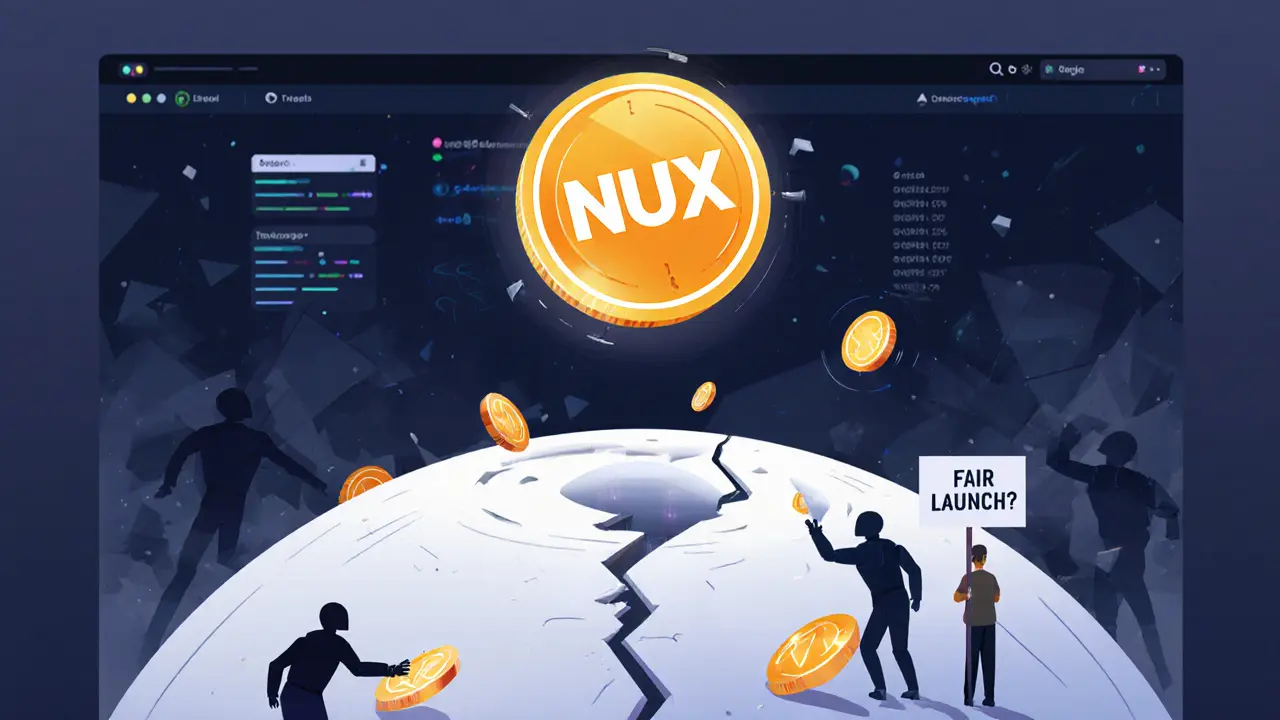
What is Peanut (NUX) Crypto Coin? Tokenomics, Use Case, and Real-World Performance
0 Comments
Peanut (NUX) is an ERC-20 token built for Fair Launch protection on DEXes, but its price has crashed 99.9% since launch. With minimal liquidity, no development updates, and zero adoption metrics, it's a high-risk asset with little future potential.