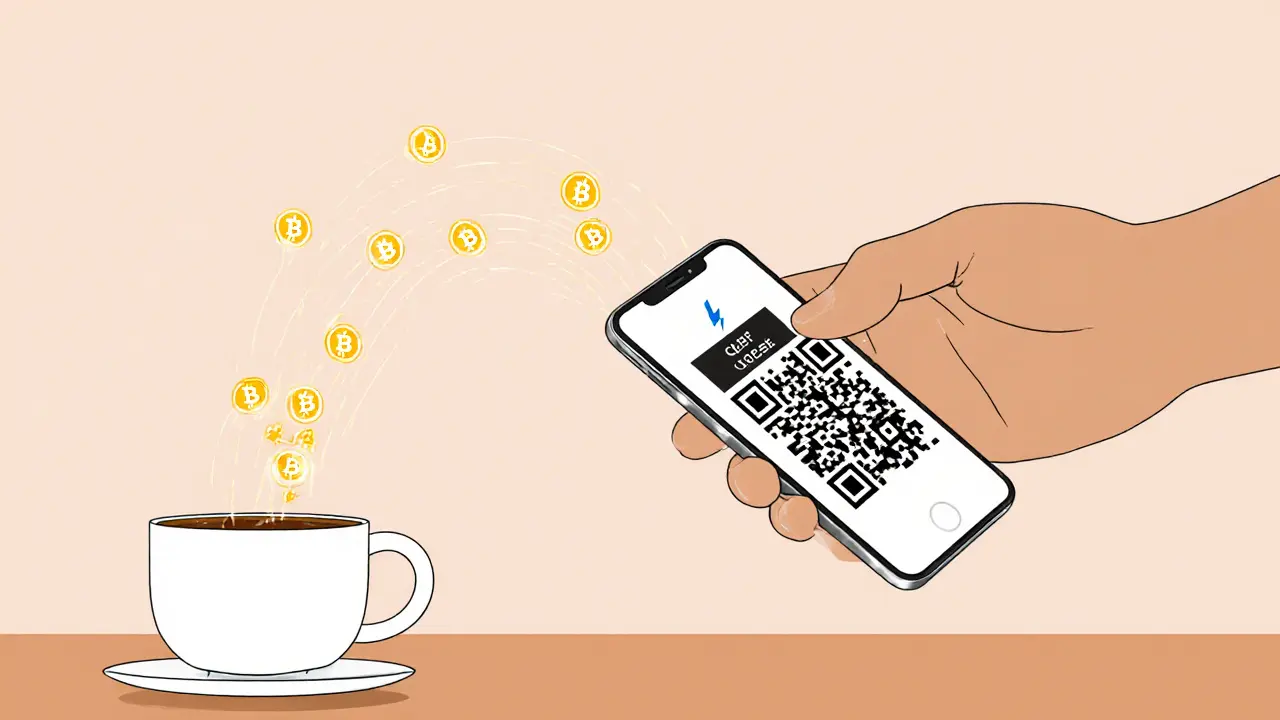
When you think of Bitcoin, you might picture slow confirmations and high fees—but the Lightning Network, a second-layer protocol built on top of Bitcoin that enables instant, near-free transactions. Also known as LN, it solves Bitcoin’s biggest problem: it can’t handle everyday payments without becoming expensive or slow. Think of it like sending cash through a private tunnel instead of mailing a check through the postal service. The Lightning Network lets users open payment channels between each other, then trade back and forth without touching the main Bitcoin blockchain—until they’re done.
That’s why it matters. If Bitcoin is meant to be digital money, it needs to work like cash: fast, cheap, and reliable. The Lightning Network makes that possible. It doesn’t change Bitcoin’s rules—it builds on them. Transactions happen in milliseconds, fees are pennies, and the network can handle millions of payments per second. That’s not theory—it’s live. People use it daily to buy coffee, tip content creators, or send money across borders without banks. And it’s not just for individuals. Companies like Strike and BitPay have integrated it into real-world apps because it just works.
But here’s the catch: Lightning isn’t magic. It needs users to lock up Bitcoin as collateral in payment channels. If you’re not actively using it, you’re not helping it grow. And while it’s growing fast—with over 10,000 nodes and 70,000 channels as of 2025—it still needs more liquidity and better tools to become mainstream. That’s why you’ll see posts here about projects trying to make Lightning easier to use, wallets that auto-manage channels, and even airdrops tied to Lightning activity. Some of these are gimmicks. Others? They’re the real next step for Bitcoin as money.
What you’ll find below isn’t just a list of articles. It’s a snapshot of how people are using Lightning right now—whether they’re building apps, chasing tokens tied to node activity, or just trying to avoid Bitcoin’s high fees. Some posts warn about scams pretending to be Lightning-based. Others show how real users are saving money by switching. You’ll see what works, what doesn’t, and why the network keeps getting stronger—even when the rest of crypto is falling apart.
Lightning Network for Instant Bitcoin Payments: How It Works and Why It Matters
0 Comments
The Lightning Network enables instant, low-cost Bitcoin payments by moving transactions off-chain. Learn how it works, its real-world uses, and how to start using it today.