Off-Chain Transactions: What They Are, Why They Matter, and How They Shape Crypto
When you send Bitcoin or Ethereum without waiting for a blockchain confirmation, you're using an off-chain transaction, a transfer of value that happens outside the main blockchain ledger, often through secondary networks or payment channels. Also known as off-blockchain transactions, these are the quiet backbone of fast, low-cost crypto payments—something every trader, gamer, or everyday user relies on without realizing it.
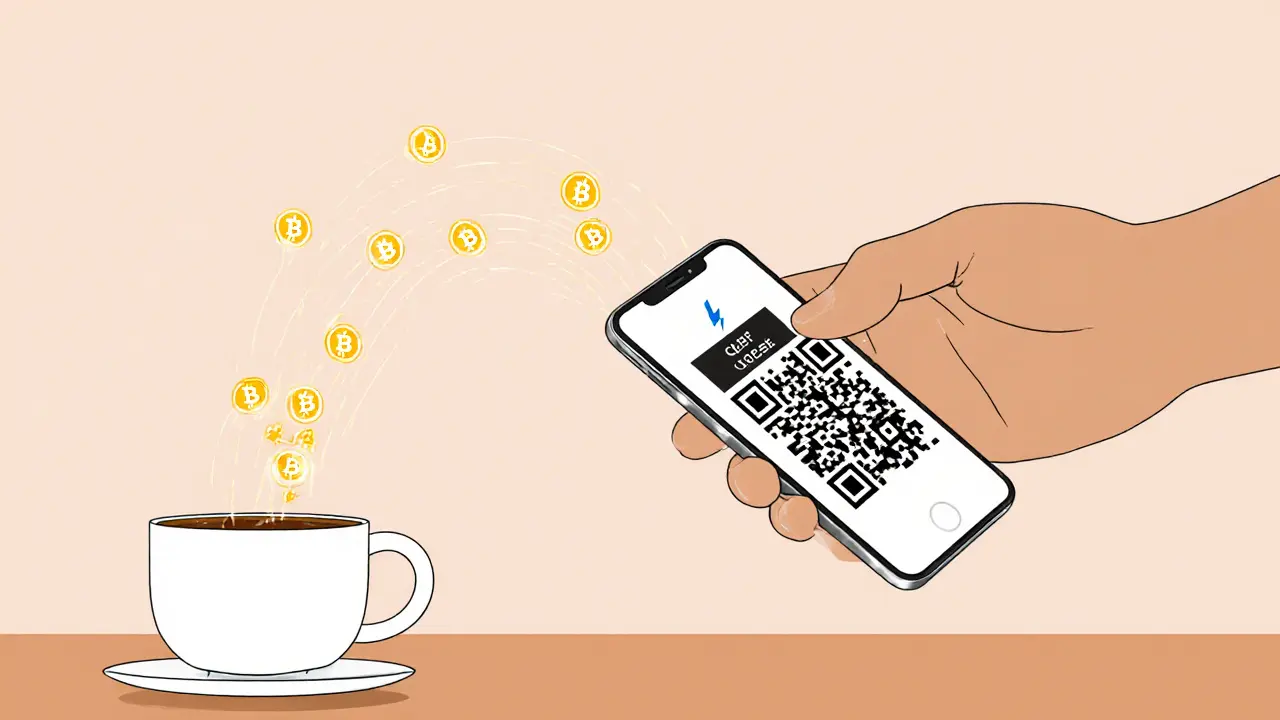
Off-chain transactions aren’t just shortcuts—they’re essential for making crypto usable. Imagine trying to buy coffee with Bitcoin every time the network confirms a block. It’d take minutes, cost dollars in fees, and still fail during spikes. That’s why solutions like the Lightning Network, a Layer 2 payment protocol built on Bitcoin that enables instant, near-zero-cost transfers, and Polygon’s sidechains, a scalable Ethereum-compatible network handling millions of transactions per day off the main chain exist. These systems settle bulk transactions off the main blockchain, then bundle and anchor them back in batches. The result? Speed, lower fees, and less congestion—all without giving up security.
But off-chain doesn’t mean untrustworthy. Most rely on smart contracts or cryptographic proofs to ensure funds can’t be stolen. Think of it like a restaurant tab: you settle your bill at the end of the night, not after every drink. That’s how payment channels work. Even big platforms like Binance and Kraken use off-chain matching for trades—your $100 ETH swap with someone else’s BTC never touches the blockchain until you withdraw. This is why exchanges can process thousands of trades per second while Bitcoin struggles with seven.
And it’s not just about speed. Off-chain systems power everything from microtransactions in crypto games to daily payroll in Web3 startups. Projects like Sologenic, a platform that uses off-chain settlement to enable instant XRP token trades, or TOPGOAL’s Footballcraft, a Web3 game where in-game purchases happen off-chain to avoid gas fees, depend on this tech to feel smooth and real. Without it, most crypto apps would be too slow or too expensive to use.
Still, there’s a trade-off. Off-chain systems reduce decentralization because they often rely on trusted operators or centralized hubs. That’s why the best ones—like the Lightning Network—keep final settlement on-chain and use open protocols. You don’t need to trust the operator if the blockchain is there to enforce the rules. But if you’re using a centralized exchange’s internal ledger, you’re trusting them to keep your funds safe—which is why hacks like WazirX’s $230 million loss still happen.
What you’ll find below isn’t just a list of posts. It’s a real-world view of how off-chain systems connect to everything: from airdrops that skip the blockchain to scams that pretend to be fast transfers, from stablecoin swaps that never hit the chain to NFT drops that rely on off-chain claiming. You’ll see how projects like Aquarius or BananaGuy hide behind fake speed claims, while others like TRAVA.FINANCE or Hacken Token use off-chain mechanics to cut costs. You’ll learn why some airdrops work and others are traps—and how to tell the difference. This isn’t theory. It’s what’s actually happening in crypto right now, and you need to know how it works before you click "confirm" on your next transaction.
Lightning Network for Instant Bitcoin Payments: How It Works and Why It Matters
0 Comments
The Lightning Network enables instant, low-cost Bitcoin payments by moving transactions off-chain. Learn how it works, its real-world uses, and how to start using it today.