Underground Crypto Trading in Tunisia: How It Works and Why It’s Growing
 Dec, 22 2025
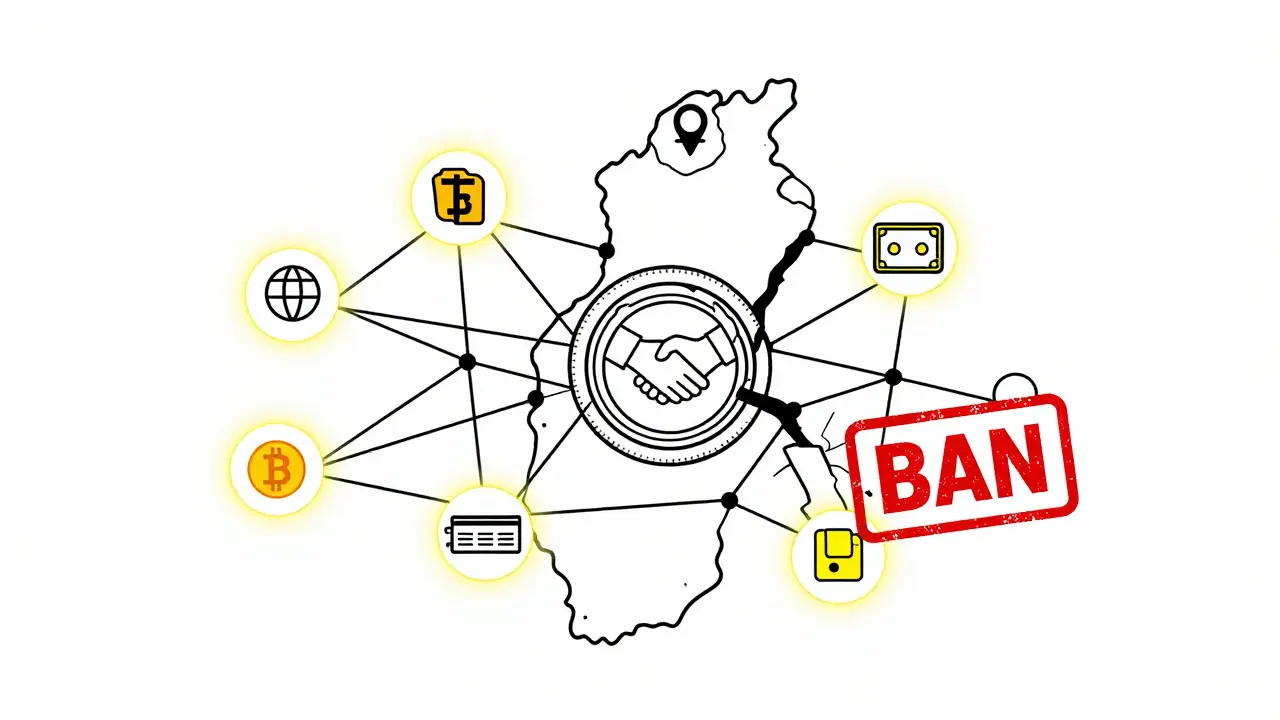
In Tunisia, buying Bitcoin isn’t a crime you can get away with quietly-it’s a crime that can land you in jail. Since May 2018, the Central Bank of Tunisia (BCT) has banned all cryptocurrency transactions. No exchanges. No wallets. No trading. But here’s the twist: people are still doing it. And they’re getting better at it every year.
How the Ban Backfired
The government thought banning crypto would stop it cold. Instead, it pushed the market underground. Before 2018, crypto was mostly ignored-no clear rules, no crackdowns. People traded casually. After the ban, everything changed. The state didn’t just say no-it made it illegal. And that’s when the real innovation started.Tunisians didn’t stop using crypto. They just got smarter. Today, you won’t find a single licensed crypto exchange in the country. But you’ll find hundreds of people trading on Binance P2P, LocalBitcoins, and other international platforms. They use VPNs to hide their IP addresses. They avoid bank transfers. They meet in person. They trade cash for crypto like it’s 1999.
Why? Because the alternatives are worse. Inflation in Tunisia hit 9% in 2024. The Tunisian dinar lost 25% of its value against the dollar since 2020. People are desperate to protect their savings. Crypto isn’t just a tech trend-it’s a survival tool.
The Tools of the Underground
The most common cryptocurrencies in Tunisia are Bitcoin, Ethereum, and USDT. Why USDT? Because it’s stable. You can trade it for dinars without watching the value swing wildly. And because it’s easier to move across borders.Traders don’t use local banks. They can’t. Any transaction linked to crypto gets flagged and frozen. Banks have automated systems that detect keywords like “crypto,” “Binance,” or “wallet.” One wrong transfer, and your account is locked for weeks while investigators dig through your history.
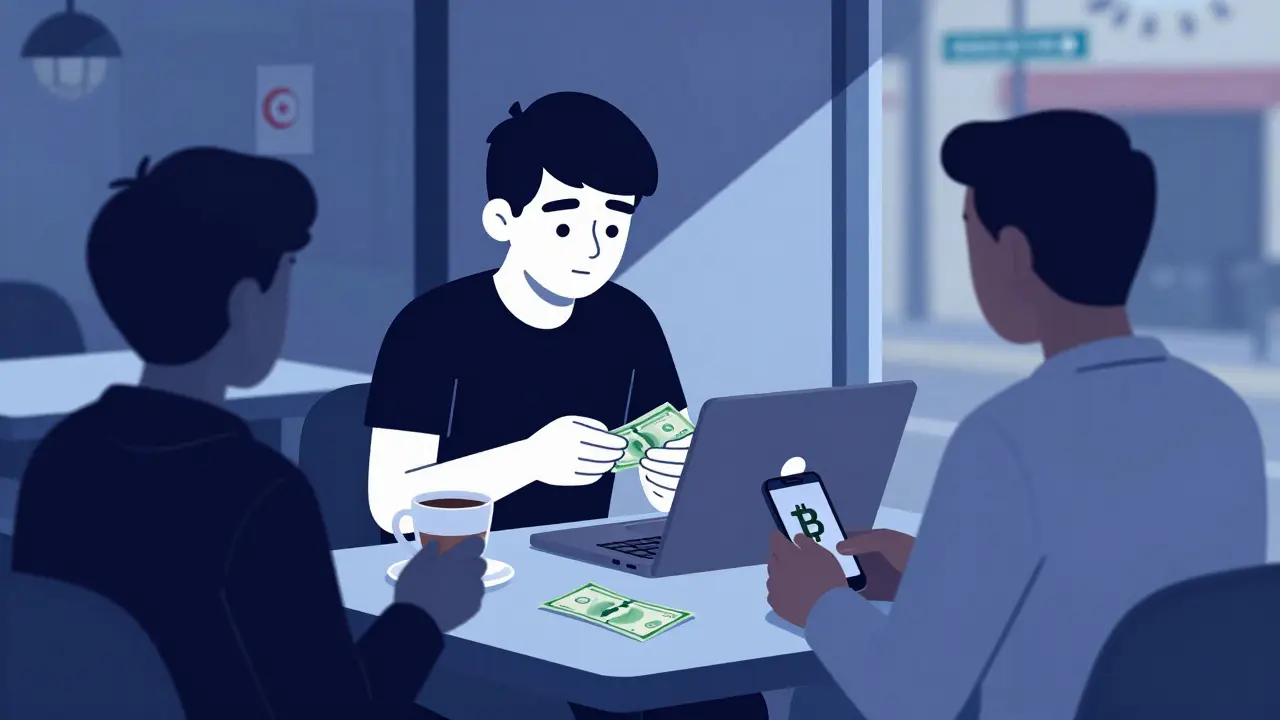
So how do people get cash out? They’ve built their own system. Some use trusted friends to swap crypto for cash in parking lots or cafés. Others use informal money transfer networks-people who travel between Tunisia and Europe and carry cash back. A few even use the state-run Poste Tunisienne, which is quietly testing blockchain-based payment systems for government services. The irony? The same institution that’s supposed to enforce the ban is building the tech that could replace it.
VPN usage is everywhere. You can’t access Binance or KuCoin without one. The government blocks crypto websites, but most users switch between multiple VPN providers-NordVPN, ExpressVPN, ProtonVPN-rotating servers to stay under the radar. Some use Tor browsers. Others run their own proxy servers. It’s not perfect, but it works.
The Legal Risks Are Real
In 2021, a 17-year-old in Sfax was arrested for running a small P2P crypto exchange. He wasn’t laundering money. He wasn’t scamming people. He was just helping neighbors buy Bitcoin. He spent six months in jail before being released without charges. The case made national news. People started asking: Is this really justice?Since then, there have been at least 12 documented arrests related to crypto. Most were for small-scale trading. But the threat is enough to scare people. Bank accounts get frozen. Phones get seized. Lawyers charge thousands of dinars just to file a motion to release an account.
And the rules aren’t just about crypto. Tunisia’s banking laws are built on Islamic finance principles. Interest is banned. Financial transparency is mandatory. Any transaction that looks like speculation-like trading crypto-is automatically flagged as high-risk. That means even if you’re not using a bank, your activity can still be traced through third-party payment processors or mobile wallets.
Why the Government Can’t Stop It
Tunisia’s tech-savvy youth population-over 60% under 35-isn’t going to stop using digital money just because a law says so. The country has one of the highest internet penetration rates in North Africa. Mobile money is already common. People are used to digital payments.Meanwhile, the government is quietly investing in its own digital currency. The Central Bank of Tunisia has been researching a Central Bank Digital Currency (CBDC) since 2022. It’s testing blockchain for land registry, public payroll, and even voting systems. But here’s the contradiction: they’re building the tech for the state… while locking citizens out of the same tech for personal use.
It’s like banning cars but building highways. People see the gap. And they’re filling it.
The Brain Drain
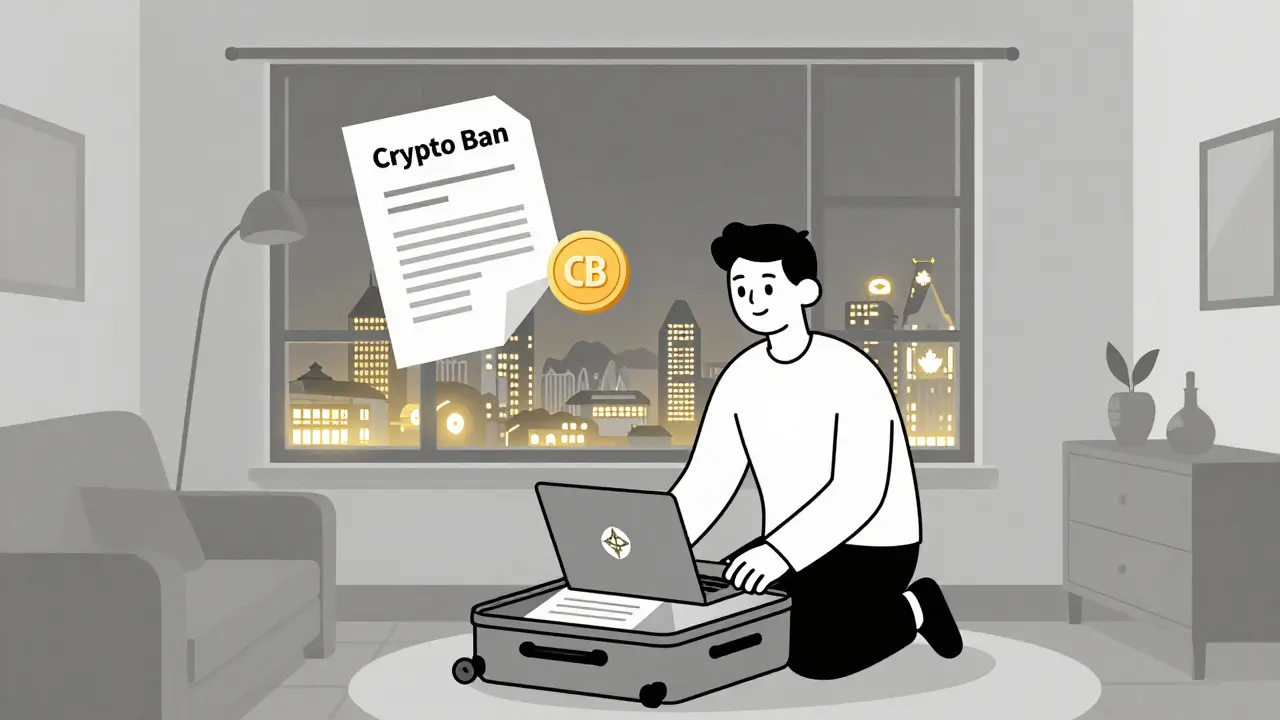
Tunisia is losing its best tech talent. Engineers, developers, blockchain entrepreneurs-they’re leaving. Canada, Switzerland, Portugal, and Georgia now have thriving Tunisian crypto communities. These people aren’t just moving for money. They’re moving because they can’t build, innovate, or even trade legally at home.One developer I spoke with (anonymously, for safety) built a DeFi lending platform in Tunis in 2023. He had 300 users in three months. Then his bank froze his account. His landlord evicted him because he couldn’t pay rent. He moved to Lisbon last year. “I didn’t want to leave,” he said. “But I couldn’t live in a country where my work is illegal.”
This isn’t just about individuals. It’s about lost innovation. Tunisia has the potential to be a regional tech hub. But the ban is pushing talent out instead of bringing it in.
Change Is Coming-Slowly
There are signs the government is reconsidering. In early 2025, a parliamentary committee began reviewing a draft bill to decriminalize cryptocurrency possession. The proposal doesn’t legalize exchanges yet, but it would remove jail time for holding crypto. It also opens the door for licensing P2P platforms under strict AML rules.The Central Bank of Tunisia has signaled openness to fintech licensing. They’ve held meetings with blockchain startups. They’re studying how Morocco and Egypt are regulating crypto. They’re not ready to say yes-but they’re no longer saying no.
What’s driving the change? Pressure. From young people. From businesses. From international investors who won’t fund Tunisian startups if they can’t access crypto. And from the fact that the ban simply isn’t working.
What Traders Are Doing Now
Right now, underground traders in Tunisia are doing five things:- Using VPN to access international exchanges like KuCoin, OKX, and MEXC
- Trading exclusively in USDT to avoid volatility
- Meeting in person for cash trades, using coded language (“I need the green package”) to avoid suspicion
- Using mobile wallets like Orange Money or MTN Mobile Money as intermediaries to move funds without bank links
- Keeping records of every trade-even though it’s risky-so they can prove they weren’t laundering if questioned
Some are even using Telegram bots to coordinate trades. One bot, called “TunisCryptoSwap,” has over 12,000 members. It doesn’t hold funds. It doesn’t facilitate trades. It just lists people willing to buy or sell. It’s a bulletin board. And it’s legal-because it doesn’t touch money.
What’s Next?
The underground crypto market in Tunisia won’t disappear. It’s too deep, too connected, too necessary. The question isn’t whether regulation will come-it’s when.When it does, it will likely look like this:
- Legal P2P trading with KYC and AML checks
- Licensed crypto ATMs in major cities
- CBDC for government payments, but private crypto allowed for personal use
- Clear rules on taxation and reporting
Until then, Tunisians keep trading. They’re not criminals. They’re just people trying to protect their money in a country where the system isn’t working.
The state may control the laws. But the people control the network. And right now, the network is winning.