What is Genesis Worlds (GENESIS) crypto coin? A deep look at the 100-year metaverse token
 Dec, 14 2025
Metaverse Token Comparison Tool
Compare Genesis Worlds to Major Metaverse Tokens
Use this tool to compare key metrics of GENESIS against established metaverse platforms.
Genesis Worlds (GENESIS)
Low market adoption and minimal utility
Decentraland (MANA)
Established platform with real utility
The Sandbox (SAND)
Active ecosystem with real in-world usage
Key Takeaways
Genesis Worlds (GENESIS) currently has $0 trading volume and a market cap of just $32k-$45k. In contrast, Decentraland and The Sandbox have market caps over $300M and $1B respectively with millions in daily trading volume.
Why this matters: Without real usage and trading volume, tokens like GENESIS have no liquidity and are extremely high-risk investments. As stated in the article, 85% of tokens with market caps under $100k and zero volume disappear within 18 months.
The bottom line: Before investing in any metaverse token, check if it has real utility, active users, and ongoing development. Genesis Worlds lacks these elements currently, making it a speculative hold at best.
Genesis Worlds isn't just another crypto coin. It's a bet on a virtual world that’s meant to last 100 years - not 10, not even 5. While most metaverse projects chase quick profits, Genesis Worlds claims it’s built for the long haul. But here’s the catch: as of December 2025, the token has almost no trading activity, almost no community, and almost no real-world use. So is it a visionary project ahead of its time, or a digital ghost town with a whitepaper?
What Genesis Worlds actually does
Genesis Worlds (GENESIS) is a utility token built to run a virtual reality metaverse where users can create, explore, and own digital worlds. Think of it like Minecraft, but built on blockchain. Every world inside the platform is made by a group of community members - not a single company. There are hundreds of these worlds, each with its own rules, themes, and gameplay. You can buy land, tools, skins, and quests using GENESIS tokens. You can also vote on how the platform evolves through a DAO, where token holders get a say in decisions.
The whole thing is run by the Genesis Foundation, a nonprofit. That means any money the project makes - from land sales, event tickets, or in-game purchases - gets poured right back into building more worlds, not into shareholders’ pockets. This isn’t a startup trying to flip tokens. It’s a digital public good, designed to outlive trends, CEOs, and market cycles.
How the GENESIS token works
The GENESIS token is the engine of this system. You need it to do anything meaningful in the metaverse:
- Buy virtual land and property
- Purchase in-world items like weapons, clothing, or vehicles
- Pay for access to exclusive events or experiences
- Participate in governance - vote on upgrades, new features, or budget allocations
It’s not a currency you use to buy coffee. It’s a key to a world that doesn’t exist yet - at least not in any usable form. The platform’s website, genesis.game, shows concept art and a few demo worlds, but there’s no public beta, no downloadable app, and no clear timeline for when users can actually enter these worlds.
The numbers don’t lie - and they’re terrifying
As of December 2024, the GENESIS token had a circulating supply of 181 million out of a total 222 million. That sounds like a lot - until you look at the price. It traded between $0.000177 and $0.000246. Multiply that by the circulating supply, and you get a market cap of around $32,000 to $45,000. For context, that’s less than the cost of a small apartment in Auckland.
Even worse - major exchanges like Binance and CoinMarketCap reported $0 trading volume for 24 hours straight. Zero. Not $500. Not $5,000. Nothing. That means no one is buying or selling. The token isn’t dead, but it’s on life support. There are only 2,230 people who hold it. Most of them are probably early believers who bought in during the initial sale and haven’t touched it since.
Compare that to Decentraland (MANA), which has a market cap over $300 million and daily trading volumes in the millions. Or The Sandbox (SAND), with hundreds of thousands of active users. Genesis Worlds isn’t just behind - it’s in a completely different universe.
Why no one’s trading it
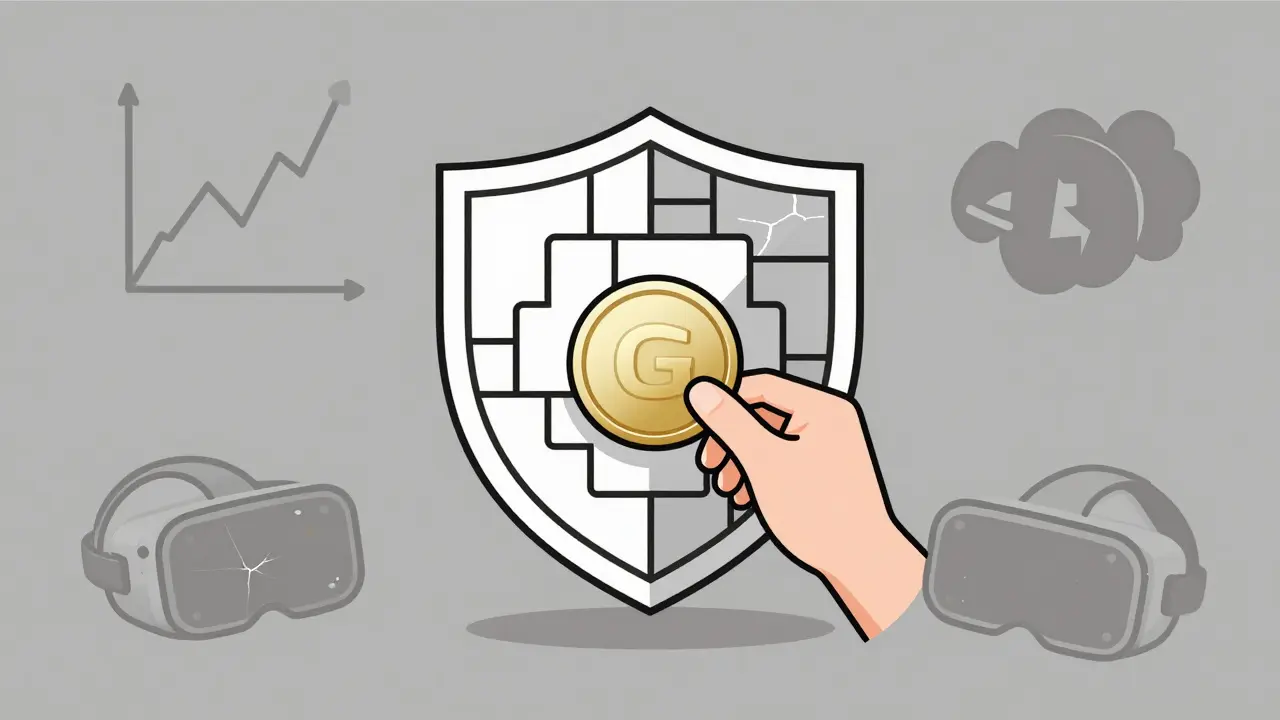
There’s a simple reason: you can’t do anything with GENESIS right now.
You can’t buy land because the land doesn’t exist yet. You can’t join a world because the game isn’t playable. You can’t vote in the DAO because there’s no functioning system to vote on. The whitepaper is detailed in vision, but light on technical specs. There’s no developer documentation. No API. No GitHub repo showing active code commits. No Discord server with more than 500 members. No YouTube tutorials. No Reddit threads worth reading.
Even the exchanges that list it - Tapbit, Kriptomat - are obscure platforms with little to no user traffic. Tapbit even offers “no KYC required” trading, which raises red flags for anyone serious about long-term investment. If a token can be bought without identity verification, it’s often a sign of low regulatory oversight - and high risk.
Is this a scam? Or just doomed?
There’s no evidence of fraud. No team vanished. No promises of guaranteed returns. The Genesis Foundation is registered as a nonprofit. The whitepaper is publicly available. The team hasn’t made wild claims like “1000x returns.” That’s not a rug pull. It’s a dream that stalled.
But dreams need execution. And right now, Genesis Worlds has none. The project has been stuck in “concept phase” for years. No major updates. No milestones hit. No partnerships announced. No VR platform integrations. No press coverage from CoinDesk, Cointelegraph, or any reputable outlet. Even crypto analysts who specialize in metaverse tokens can’t generate price predictions because there’s not enough trading data - literally no data.
A 2023 CryptoCompare study found that 85% of tokens with market caps under $100,000 and zero trading volume disappeared from exchanges within 18 months. Genesis Worlds is already past that timeline. If it doesn’t launch something real soon, it won’t be forgotten - it’ll be erased.
Who still believes in it?
There are still 2,230 people holding GENESIS. Why? Some are true believers. They bought in early, read the whitepaper, and think the vision is too big to fail. Maybe they’re artists, game designers, or VR enthusiasts who see potential in a nonprofit metaverse that won’t be sold off to a corporation. Others might be speculators hoping for a miracle pump - though with $0 volume, even that’s unlikely.
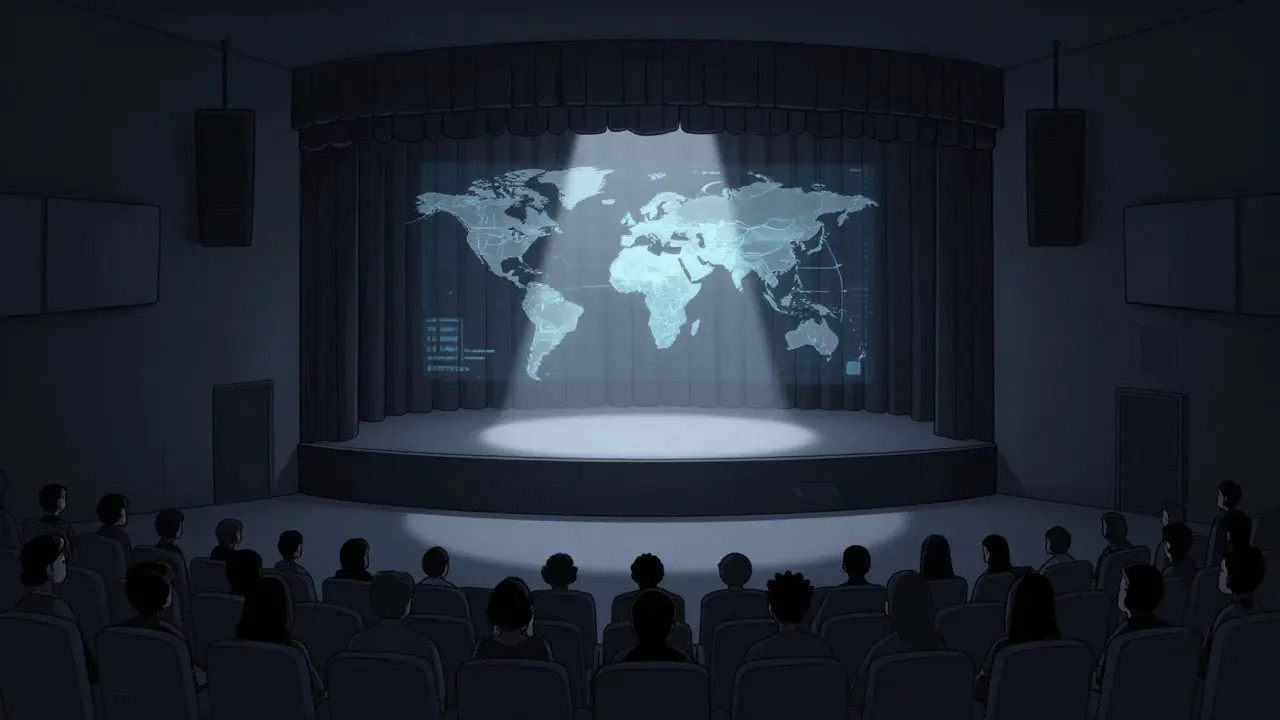
There’s no active community to speak of. Twitter has fewer than five posts per day, mostly from bots. Reddit has almost no mentions. Trustpilot has zero reviews. The official website shows a few user-created worlds - but no names, no profiles, no engagement stats. It’s like walking into an empty theater where the play was supposed to start three years ago.
Should you buy GENESIS?
If you’re looking for a crypto investment - no. Not even close.
There’s no liquidity. No utility. No roadmap. No team updates. No community. No future price prediction possible. It’s not a gamble - it’s a donation to a fantasy.
If you’re a developer, artist, or world-builder who wants to create something lasting - maybe. If you have a world idea, and you believe in a nonprofit metaverse that won’t be monetized into oblivion, then you could consider holding GENESIS as a vote of confidence. But don’t expect to sell it later. Don’t expect to use it. Don’t expect it to grow.
Buying GENESIS today is like buying a deed to a plot of land on Mars. The vision is beautiful. The technology might one day make it real. But right now? You’re just holding paper.
What’s next for Genesis Worlds?
The project’s only real hope is to launch something - anything - playable. A beta. A demo. A single working world. Even a testnet where users can interact with each other using GENESIS tokens. That would be the first real signal that this isn’t just a dream.
Without that, Genesis Worlds will fade into obscurity, joining the thousands of other crypto projects that had big ideas but never built anything people could touch.
The 100-year metaverse sounds noble. But if it doesn’t survive the next 12 months, it won’t be remembered as visionary. It’ll be remembered as a cautionary tale.