YOOSHI SHIB ARMY NFT Airdrop: How It Worked and What Happened After
 Feb, 10 2026
Back in May 2021, the crypto world was buzzing. NFTs were exploding, memecoins were trending, and the Shiba Inu community was building something big. That’s when the YOOSHI SHIB ARMY NFT airdrop dropped - a short, intense window where thousands of crypto fans got free NFTs just for being part of the community. If you missed it, you missed it for good. There’s no second chance. But here’s what really happened, how it worked, and why it still matters today.
How the YOOSHI SHIB ARMY NFT Airdrop Actually Worked
This wasn’t just another free NFT giveaway. It had rules. You couldn’t just sign up and get one. To qualify, you had to do three things:
- Join the official #YOOSHI Telegram channel
- Follow and retweet CoinMarketCap’s announcement using #CMC
- Whitelist your Binance Smart Chain (BSC) wallet address
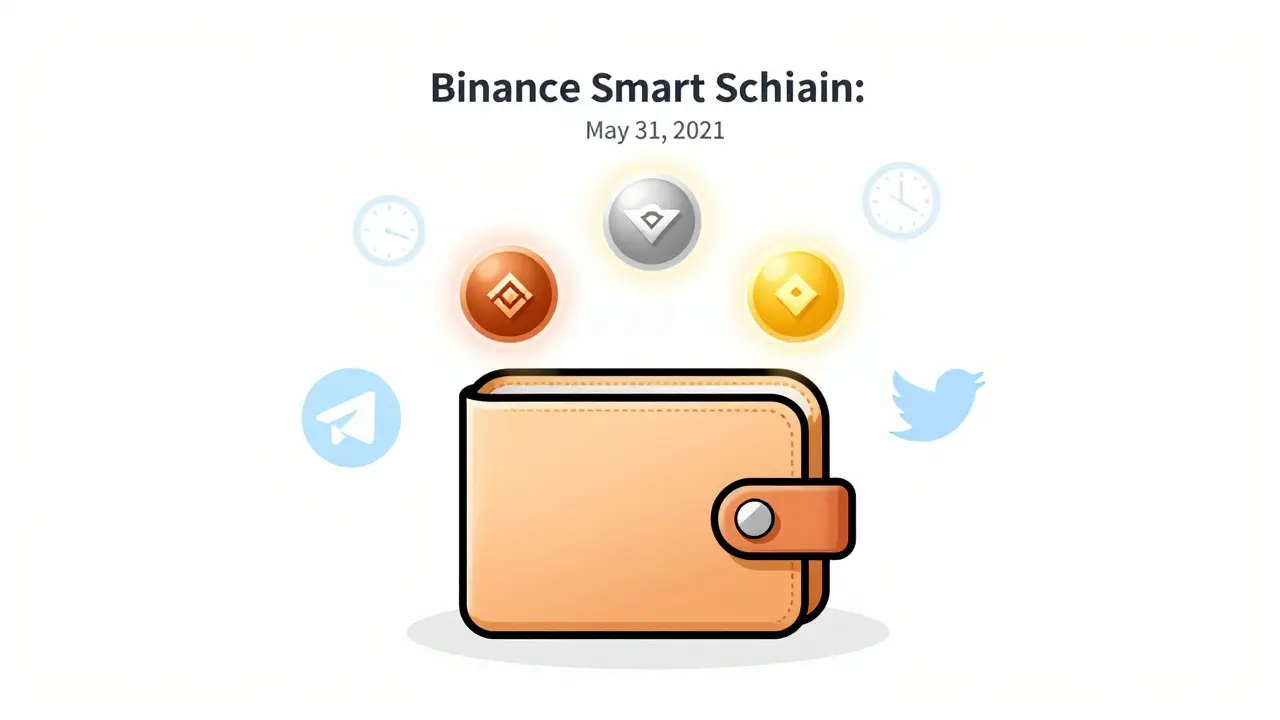
That’s it. No KYC. No credit card. No fees. Just community participation. The airdrop ran from May 27 to May 31, 2021 - exactly four days. After that, the claiming portal shut down permanently. No extensions. No exceptions.
The NFTs themselves came in three tiers: Bronze, Silver, and Gold. Each had a different design, and rarity was built into the system. Bronze was the most common. Gold? Super rare. You didn’t pick your tier - the system assigned it based on your eligibility and how many people claimed before you. It wasn’t random luck like some other airdrops. It was a race. The faster you claimed, the better your odds at a higher tier.
Why Binance Smart Chain? Not Ethereum
You had to use a BSC wallet. No MetaMask on Ethereum. No Solana. No Polygon. Only wallets connected to the Binance Smart Chain. Why? Because YooShi was built on BSC. Lower fees. Faster transactions. That made sense in 2021, when gas fees on Ethereum were hitting $50 per transaction. BSC was the go-to for community-driven projects. And YooShi knew that.
If you didn’t already have a BSC wallet, you had to set one up. Trust Wallet, MetaMask (BSC mode), or WalletConnect were the most common choices. You had to send a tiny amount of BNB to cover gas fees for claiming. No one gave you free gas. You paid for it yourself.
The Bigger Picture: YooShi and the Shiba Inu Ecosystem
YooShi wasn’t a standalone project. It was a spin-off of the Shiba Inu universe. The term SHIB ARMY wasn’t just a hashtag - it was a movement. Millions of people held SHIB tokens, and they saw themselves as part of a digital tribe. The NFT airdrop was a way to turn token holders into active participants.
Other projects in the Shiba Inu ecosystem, like Shib Army Inferno, used similar tactics. They took a percentage of NFT sales - often 30% - and used it to buy back and burn SHIB tokens. That created deflationary pressure. Less supply. More demand. It was a clever loop: NFTs drove engagement, which funded token burns, which boosted token value.
YooShi didn’t publicly confirm if it did the same, but the pattern was clear. This wasn’t charity. It was tokenomics in action.
Marketing: How CoinMarketCap Helped Blow It Up
Most airdrops rely on Twitter and Telegram. YooShi went bigger. They partnered with CoinMarketCap - one of the biggest crypto data platforms in the world. That gave them instant credibility. When CoinMarketCap tweeted about the airdrop on May 18, 2021, saying “5 Days left to join #YOOSHI’s SHIB ARMY”, the signal went out to millions.
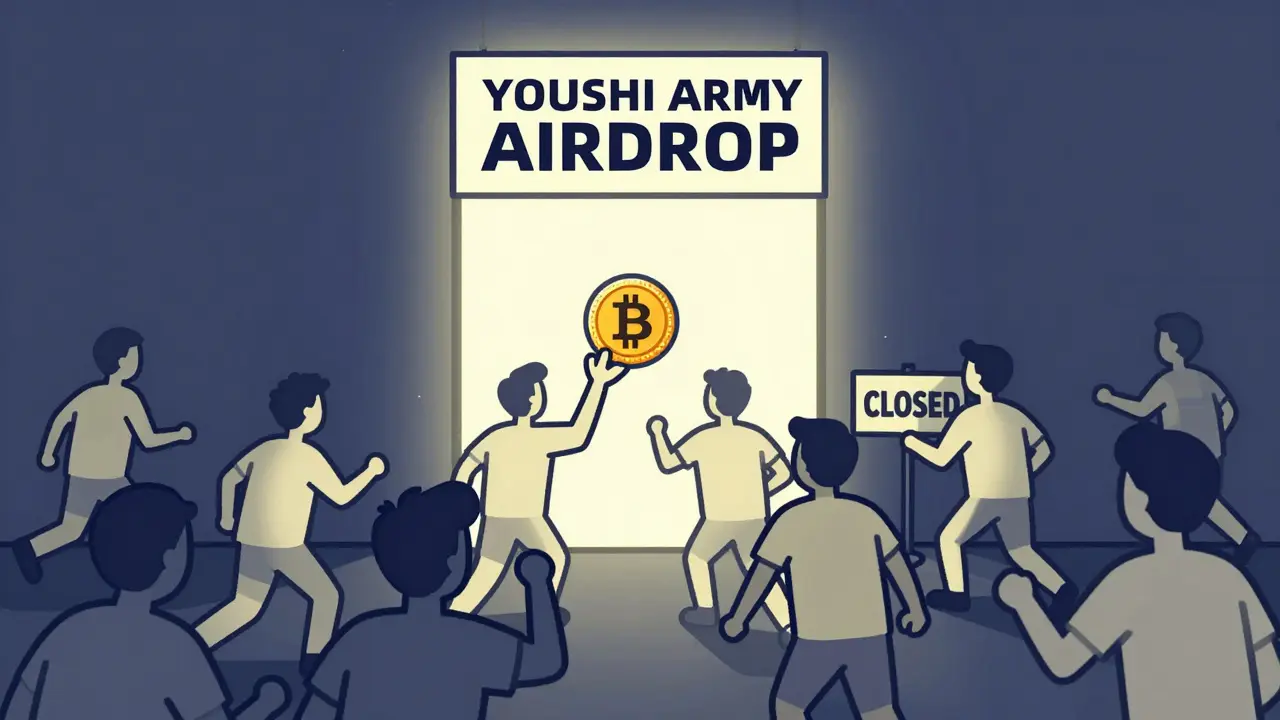
That tweet alone likely drove 80% of the traffic. People trusted CoinMarketCap. They didn’t trust random crypto influencers. So when the airdrop launched on May 27, the servers were flooded. Claiming took minutes. Some people couldn’t even get in. The system was overloaded. That’s how you know it was popular.
What Happened After the Airdrop?
Here’s the truth: no one knows what happened to most of those NFTs.
There are no public stats on how many were claimed. No floor prices. No trading volume data. The secondary market for these NFTs never really took off. A few were sold on OpenSea or other marketplaces, but they were mostly listed for pennies. Some sat in wallets, untouched. Others were forgotten.
Why? Because utility was missing. These weren’t gaming NFTs. They weren’t access passes. They weren’t linked to any future product. They were collectibles - pretty, but pointless. In 2021, people bought NFTs because they thought they’d make money. In 2026? No one wants a collectible with no function.
YooShi itself shifted focus. By late 2022, the team moved toward building on Shibarium, Shiba Inu’s Layer-2 blockchain. They started working on gaming and DeFi tools - things that actually had use cases. The original SHIB ARMY NFTs? Left behind.
Could Something Like This Happen Again?
Maybe. But not like this.
Today’s crypto space is different. Regulators are watching. Communities are tired of empty NFTs. Projects now need to show real utility: staking, gameplay, governance, revenue sharing. A free NFT with no purpose won’t cut it anymore.
Shibarium’s newer airdrops - like those tied to gaming dApps or DeFi protocols - give users actual tokens or in-game assets. That’s what works now. The YooShi airdrop was a product of its time: hype, FOMO, and zero accountability.
If you’re waiting for another YooShi-style drop? Don’t. Look for projects that give you more than a JPEG. Give you a role. Give you a stake. Give you a reason to care beyond resale.
Final Thoughts: A Snapshot of Crypto’s Wild Days
The YOOSHI SHIB ARMY NFT airdrop was never meant to last. It was a flash in the pan - a moment when crypto felt like a party. Thousands joined. Some made money. Most didn’t. But it taught us something important: community matters. Tokenomics matters. And timing? It matters more than you think.
That four-day window in May 2021 captured a specific energy. The NFT boom. The memecoin frenzy. The belief that anyone could get rich just by following a tweet. It’s gone now. But if you still have that NFT? Keep it. Not because it’s worth anything. But because it’s a relic.
A piece of crypto history.