AltMarket Crypto Exchange Review: Is It Safe for No-KYC Trading in 2026?
 Jun, 1 2026
You want to trade cryptocurrency without handing over your passport, driver’s license, or proof of address. You’ve heard about AltMarket, a platform that promises exactly that: a "no-frills, no-KYC" experience where you can swap digital assets anonymously. But here is the catch-trading without identity verification often comes with hidden costs, slower speeds, and serious security risks.
In this review, we are cutting through the marketing hype to see if AltMarket is actually safe for your funds in 2026. We’ll look at its fee structure, withdrawal realities, security claims, and whether it makes sense compared to regulated giants like Coinbase or decentralized options like Uniswap. If you value privacy above all else, this guide will help you decide if the trade-off is worth it.
What Is AltMarket?
AltMarket is a centralized cryptocurrency exchange designed for users who prioritize anonymity and wish to avoid mandatory Know Your Customer (KYC) procedures. Founded around 2014 (though some sources suggest 2018), it operates primarily from the United States but caters to a global audience that feels overlooked by mainstream platforms.
The core value proposition is simple: sign up with an email, deposit crypto, and start trading immediately. There are no background checks, no facial recognition scans, and no waiting periods for account approval. This appeals strongly to privacy advocates, users in regions with restrictive banking laws, or those who simply dislike sharing personal data with corporations.
However, being "unregulated" and "anonymous" means you don’t have the same consumer protections as you would on a licensed exchange. If something goes wrong-like a hack or a frozen withdrawal-you have limited recourse. Let’s break down what you’re actually getting.
Supported Cryptocurrencies and Trading Pairs
If you are looking for thousands of altcoins, meme coins, or new token launches, AltMarket is not your place. The platform supports approximately 20 cryptocurrencies, including major players like:
- Bitcoin (BTC)
- Ethereum (ETH)
- Tao (TAO)
- Syscoin (SYS)
- And roughly 16 others
ICORankings reports that there are only 20-25 trading pairs available, and they are strictly for spot trading. There is no futures trading, no leveraged positions, and no staking services. This limitation is significant because many traders use exchanges specifically for these advanced features.
Crucially, AltMarket does not support fiat currency deposits or withdrawals. You cannot buy Bitcoin with USD, EUR, or GBP directly on the platform. You must already possess cryptocurrency and transfer it to your AltMarket wallet before you can trade. This restricts the platform to existing crypto holders rather than newcomers looking to enter the market.
Fees: Are They Competitive?
Let’s talk money. How much does AltMarket charge you to move your money? Here is the breakdown based on 2025-2026 data:
| Fee Type | AltMarket Rate | Industry Average (2026) | Verdict |
|---|---|---|---|
| Trading Fee (Maker/Taker) | 0.25% | 0.10% - 0.15% | Above Average |
| BTC Withdrawal Fee | ~0.000051 BTC | ~0.00053 BTC | Below Average (Cheaper) |
| Fiat Deposit Fee | N/A (Not Supported) | Varies (1-3%) | N/A |
The trading fee of 0.25% is flat for both makers and takers. While this sounds simple, it is higher than what you pay on major exchanges like Binance or Kraken, which often offer lower rates for high-volume traders. For small trades, the difference might be negligible, but if you are active, those extra basis points add up quickly.
On the bright side, withdrawal fees are notably low. The Bitcoin withdrawal fee is reported to be about 15-20% of the global industry average. If you plan to move large amounts of BTC off-platform frequently, this could save you some cash. However, remember that speed matters more than cost when you are trying to access your funds.
Security Claims vs. Reality
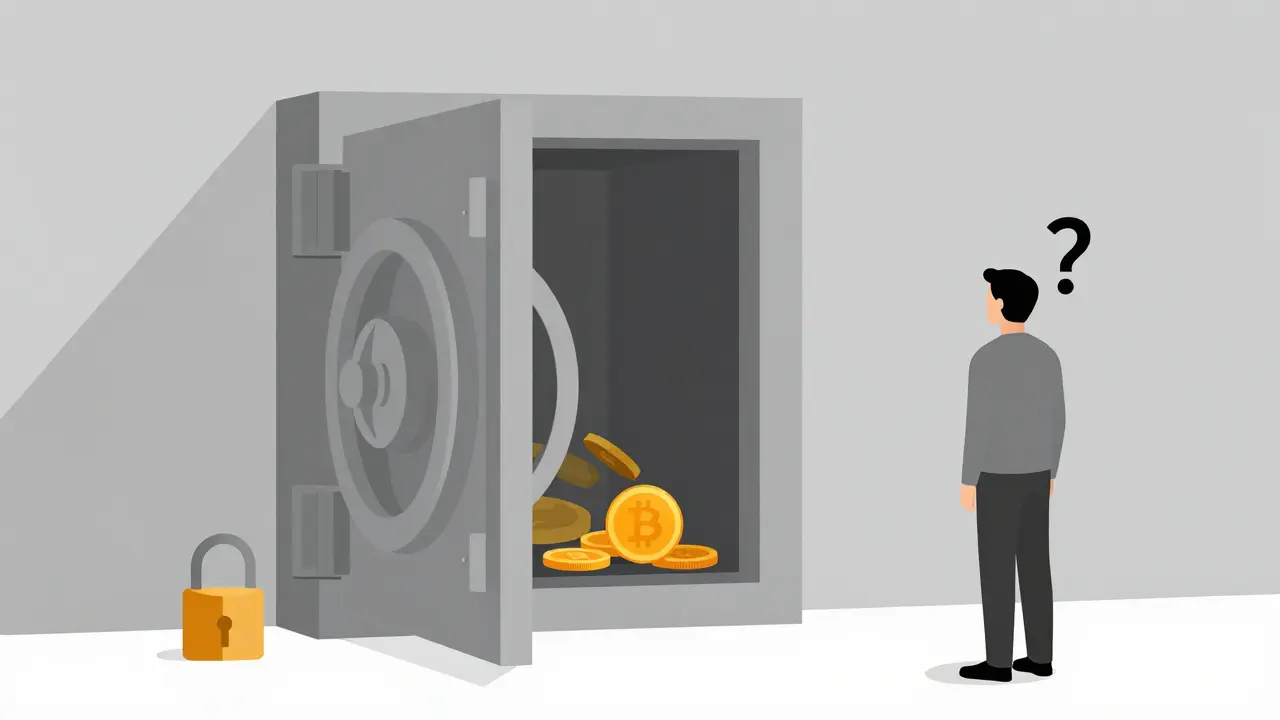
AltMarket markets itself as highly secure, claiming to use a "robust cold storage system backed by reliable cryptographic techniques." They mention "multisignature and air-gapped master keys across multiple locations on various continents." These sound impressive, but let’s look closer.
The Problem with Transparency:
Unlike regulated exchanges that publish regular Proof of Reserves (PoR) audits and undergo independent security reviews, AltMarket offers minimal transparency. Security experts have questioned the verifiability of these claims given the lack of public audit trails. In the crypto world, "trust us" is not a security feature; verifiable data is.
Regulatory Status:
As of 2026, AltMarket operates in a regulatory gray area. It is considered an unregulated platform. This means it is not subject to the strict capital requirements, insurance mandates, or anti-money laundering (AML) checks that protect users on licensed exchanges. In October 2025, a similar-sounding entity named "OCTAMARKET" appeared on Cryptolegal.uk’s list of reported scam companies. While the spelling differs, it highlights the risks associated with unverified platforms in this niche.
If you are trading on AltMarket, you are taking on counterparty risk. If the exchange disappears, gets hacked, or freezes accounts, there is no government agency or insurance fund to reimburse you.
User Experience and Support Issues
Signing up is easy. You provide an email, create a password, and you are in. ICORankings notes that users can start trading "within minutes." But the experience deteriorates when things go wrong-and they often do.
Withdrawal Delays:
This is the most consistent complaint from AltMarket users. While the platform may claim instant processing, real-world reports indicate delays of 3-5 business days for withdrawals. Some users report waiting even longer. One Trustpilot review from March 2025 described a 4-day wait for a 0.5 BTC withdrawal with no explanation.
Customer Support:
Support responses are slow. Users report waiting over 72 hours for replies to non-urgent inquiries. More alarmingly, some users who attempted withdrawals were suddenly asked for ID verification despite signing up without KYC. This creates a frustrating paradox: you are promised anonymity, but then blocked from accessing your own funds unless you comply with verification requests.
Workarounds from the Community:
Reddit users suggest submitting withdrawal requests early in the week to avoid weekend delays and keeping transaction amounts below 1 BTC to potentially bypass additional scrutiny. These are hacks, not solutions, indicating systemic operational issues.
AltMarket vs. Alternatives
Is AltMarket the best option for anonymous trading? Probably not. Let’s compare it to other choices in the current landscape.
| Platform | KYC Required? | Fiat Support? | Security/Audits | Best For |
|---|---|---|---|---|
| AltMarket | No (Initially) | No | Low Transparency | Small, anonymous spot trades |
| Coinbase/Kraken | Yes | Yes | High (Regulated) | Secure, long-term holding |
| Uniswap (DEX) | No | No (Crypto-to-Crypto) | Code-Audited | Decentralized, self-custody trading |
| FixedFloat | No | Limited | Moderate | P2P anonymous swaps |
Why Choose a DEX Instead?
If your goal is anonymity, a Decentralized Exchange (DEX) like Uniswap or SushiSwap is often safer. With a DEX, you connect your own non-custodial wallet (like MetaMask). The exchange never holds your funds, so there is no risk of the platform freezing your account or going bankrupt. Yes, you need to know how to use Web3 wallets, but the security model is fundamentally stronger.
When Might AltMarket Make Sense?
AltMarket occupies a very narrow niche. It might be useful if:
- You already hold crypto and want to swap between obscure altcoins not listed on major DEXs.
- You prefer a centralized interface but refuse to do KYC.
- You are trading small volumes where withdrawal delays are inconvenient but not catastrophic.
For anyone seeking regulatory protection, fast execution, or deep liquidity, AltMarket falls short.
Final Verdict: Should You Use AltMarket?
AltMarket offers a convenient entry point for those who demand anonymity. The ease of sign-up is undeniable. However, the trade-offs are steep: higher trading fees, unreliable withdrawal times, poor customer support, and a lack of regulatory oversight.
In 2026, with increasing global scrutiny on unlicensed exchanges, using an unregulated platform carries significant risk. Unless you have a specific reason to avoid KYC-compliant exchanges, I recommend exploring decentralized alternatives or reputable P2P platforms that offer better security and transparency.
If you do choose to use AltMarket, follow these rules:
- Never store large amounts of crypto on the exchange. Treat it as a hot wallet for immediate trading only.
- Keep withdrawal amounts small. Test the process with a tiny amount first.
- Be prepared for delays. Do not rely on AltMarket for time-sensitive transactions.
- Enable 2FA. Even if KYC is optional, two-factor authentication is essential for account security.
Is AltMarket safe for beginners?
No. AltMarket lacks educational resources and has complex withdrawal issues. Beginners should stick to regulated, user-friendly exchanges like Coinbase or Kraken until they understand crypto security basics.
Does AltMarket require KYC verification?
AltMarket allows you to sign up and trade without initial KYC. However, users have reported being asked for ID verification later, particularly when attempting larger withdrawals. This creates uncertainty about true anonymity.
Can I buy Bitcoin with USD on AltMarket?
No. AltMarket does not support fiat currency deposits. You must already own cryptocurrency and transfer it to your AltMarket wallet to begin trading.
How long do withdrawals take on AltMarket?
While the platform may claim instant processing, user reports consistently cite delays of 3-5 business days. Some users have experienced even longer waits with little communication from support.
Is AltMarket regulated?
No, AltMarket is an unregulated exchange. It does not adhere to the strict compliance standards required of licensed financial institutions, meaning users have fewer legal protections if issues arise.