BitOrbit (BITORB) IDO Airdrop: Launch Details, Tokenomics & Market Reality
 Aug, 6 2026
Remember the early days of Initial DEX Offerings? It was a time of wild promises and even wilder returns. But for every project that turned a small investment into life-changing wealth, dozens others faded into obscurity. BitOrbit is a cryptocurrency project that launched its token generation event in late 2021 via the BSCPad launchpad. If you are holding onto old claims or wondering what happened to your BitOrbit (BITORB) airdrop, the reality is stark. The project raised funds, distributed tokens, and then largely vanished from the active market spotlight. Understanding why requires looking past the hype and examining the hard data of its launch, distribution, and subsequent performance.
The BitOrbit IDO Launch Breakdown
To understand where BitOrbit stands today, we have to look at how it started. The project didn't just appear on an exchange; it went through a structured fundraising process typical of the Binance Smart Chain ecosystem during that period. The central entity here is the Token Generation Event (TGE), which marks the official creation and distribution of a new cryptocurrency token. For BitOrbit, this critical moment occurred on November 4, 2021, at 21:25 UTC+3.
This wasn't a single-step drop. BitOrbit executed a multi-phase campaign that included six distinct rounds. These rounds likely encompassed private sales, public sales, and community allocations, culminating in the TGE. The total capital raised during this entire cycle was $290,000. In the context of 2021, this was a modest but significant sum for a new entrant, indicating some level of investor interest and team capability to secure funding.
The platform chosen for this launch was BSCPad, which is a prominent IDO launchpad operating within the Binance Smart Chain ecosystem. BSCPad has remained one of the top-tier launchpads, ranking highly in industry analyses even as late as 2025. By choosing BSCPad, BitOrbit aligned itself with a reputable infrastructure provider known for vetting projects before they reach the public. This choice suggests the project met certain baseline criteria for legitimacy and technical readiness at the time of launch.
Token Distribution and Vesting Mechanics
One of the most critical aspects of any IDO is how tokens get into investors' hands. BitOrbit employed a conservative distribution model designed to prevent immediate sell-offs-a common plague in the crypto space. Here is how the supply was managed:
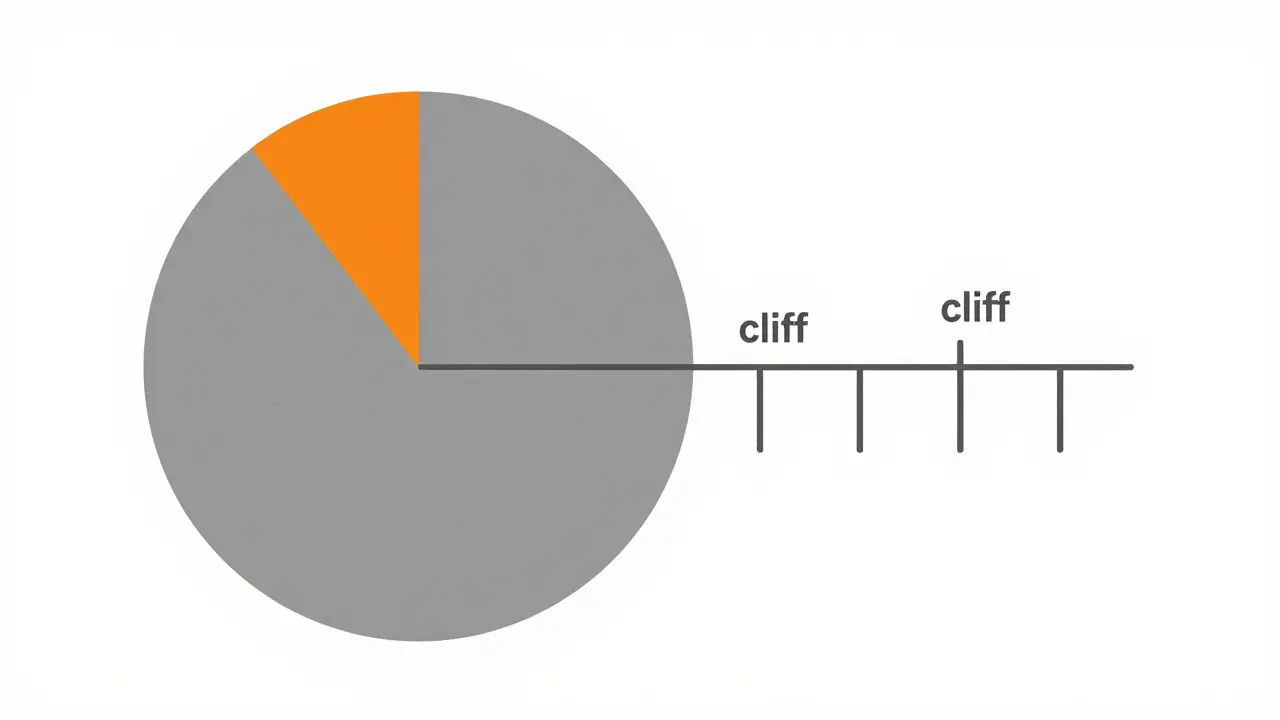
- Initial Release: Only 10% of the total token supply was released at the Time of Token Generation Event (TGE).
- Cliff Period: Following the initial release, there was a one-month cliff. During this month, no additional tokens were unlocked.
- Linear Vesting: The remaining 90% of the tokens were distributed through linear vesting over four months.
This structure is crucial for understanding the supply dynamics. Linear vesting means tokens were unlocked gradually, preventing a massive dump on day one. However, it also meant that early investors had to wait to access the full value of their allocation. This mechanism is standard practice now, but in 2021, it represented a shift toward more sustainable tokenomics compared to the "dump and run" projects that plagued earlier eras.
| Phase | Percentage | Timing |
|---|---|---|
| TGE Release | 10% | November 4, 2021 |
| Cliff Period | 0% | 1 Month Post-TGE |
| Vesting Unlock | 90% | Linear over 4 Months |
Market Performance and Current Status
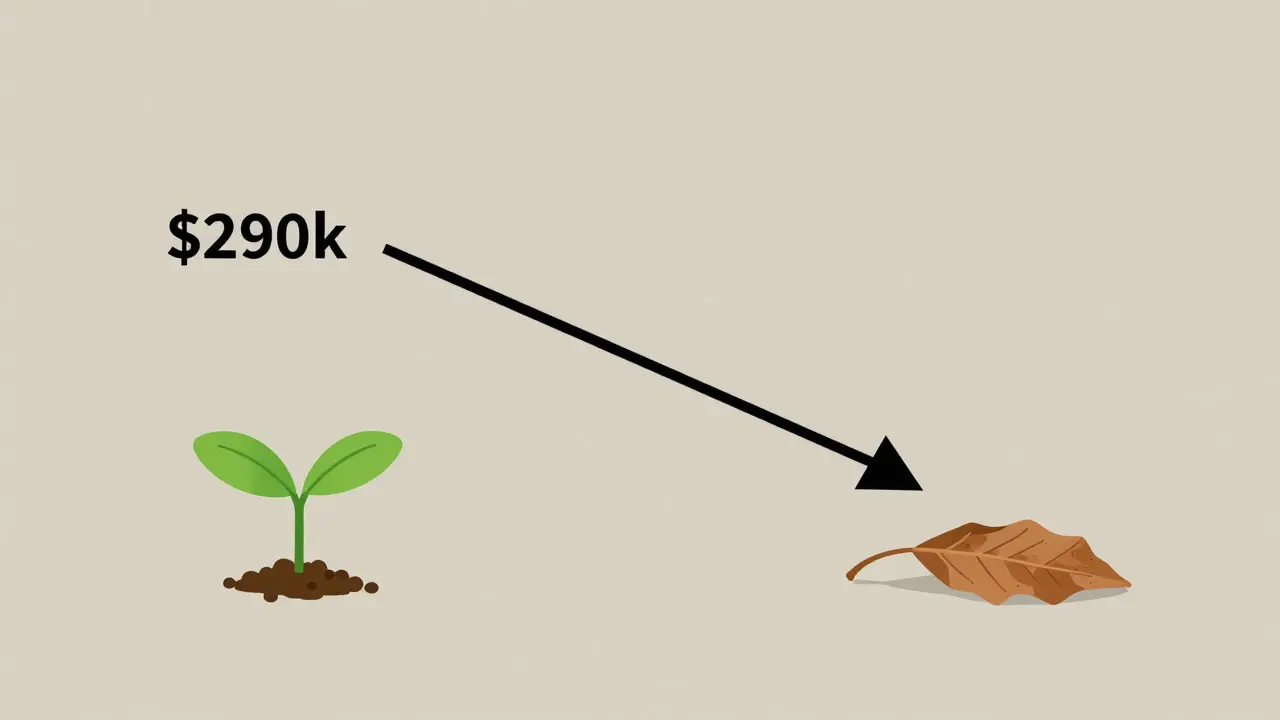
Here is where the story takes a turn that many investors find disappointing. Despite raising $290,000 and launching on a reputable platform like BSCPad, BitOrbit's market performance has been lackluster. At the time of recent data analysis, the project maintained a market capitalization of approximately $2.83K.
Let’s put that number in perspective. A market cap of $2,830 against a fundraising total of $290,000 indicates a depreciation of over 99%. This isn't just a bad week; it represents a near-total loss of value for holders who bought in at launch prices. Several factors contribute to this outcome:
- Lack of Adoption: Without a strong product-market fit or active user base, tokens lose utility and value.
- Market Conditions: The broader crypto market shifted significantly after 2021, moving away from speculative IDOs toward established assets.
- Competition: Thousands of new projects launched annually, diluting attention and liquidity.
This performance contrasts sharply with successful IDO projects from the same era, some of which achieved all-time high ROI figures reaching 18.39x. BitOrbit serves as a cautionary tale: successful fundraising does not guarantee sustained market performance. The gap between raising capital and building a lasting business is where most projects fall short.
The Evolution of Crypto Launchpads Since 2021
Understanding BitOrbit's fate requires looking at how the landscape has changed. When BitOrbit launched in 2021, the IDO space was still maturing. Today, platforms like DAO Maker, a leading global launchpad for blockchain projects, Polkastarter, which facilitates cross-chain token launches, and GameFi, which specializes in gaming-related crypto projects dominate the sector. These platforms have implemented far more sophisticated vetting processes.
Modern launchpads focus heavily on legitimacy confirmation before exposing projects to investors. Platforms like Best Launchpad emphasize being the "safest approach to investing in IDOs and IEOs" through comprehensive project analysis. This represents a significant shift from the 2021 landscape. Today's investors benefit from higher barriers to entry for projects, meaning fewer low-quality tokens make it to the public sale stage.
Additionally, the technical capabilities have evolved. Current platforms support multiple blockchains including Ethereum, Polkadot, Solana, Avalanche, Polygon, and Fantom. This multi-chain approach reduces dependency on single ecosystems like Binance Smart Chain. Furthermore, advanced features such as immediate futures trading capabilities-where users can hedge exposure through inverse perpetuals within minutes of listing-are now available on platforms like Bybit Launchpad. These tools were nonexistent during BitOrbit's launch, highlighting the rapid professionalization of the sector.
Lessons for Future Investors
If you are considering participating in future IDOs or evaluating old holdings like BitOrbit, keep these lessons in mind. First, always examine the tokenomics. A conservative vesting schedule is good, but it doesn't save a project without real utility. Second, look beyond the launchpad reputation. While BSCPad is reputable, it doesn't immunize a project from market failure. Third, assess the post-launch activity. Did the team continue developing? Was there community engagement? BitOrbit's case demonstrates that execution matters more than fundraising success.
The regulatory environment has also tightened. Current platforms implement more comprehensive KYC requirements and compliance measures, reflecting increased scrutiny. This provides better investor protection but also creates higher barriers for participants. Entry fees for top-tier launchpads now average around $72.29, reflecting the increased selectivity and quality standards.
Frequently Asked Questions
What is the current price of BitOrbit (BITORB)?
Based on available data, BitOrbit has a very low market capitalization of approximately $2.83K, suggesting the token price is negligible. Liquidity may be extremely thin, making trades difficult or impossible without significant slippage.
When did the BitOrbit IDO take place?
The BitOrbit Token Generation Event (TGE) occurred on November 4, 2021, at 21:25 UTC+3. The fundraising campaign concluded with this event after six completed rounds.
Which launchpad hosted the BitOrbit launch?
BitOrbit launched via BSCPad, a prominent IDO launchpad on the Binance Smart Chain. BSCPad remains one of the top-ranked launchpads in the industry.
How much money did BitOrbit raise?
BitOrbit raised a total of $290,000 across its multi-phase fundraising campaign, which included private sales, public sales, and an airdrop component.
Is BitOrbit still active?
There is little evidence of significant ongoing development or market activity for BitOrbit. Its minimal market capitalization suggests it is no longer a major player in the crypto ecosystem.
What was the token vesting schedule for BitOrbit?
BitOrbit released 10% of tokens at TGE, followed by a one-month cliff. The remaining 90% were vested linearly over four months to prevent immediate dumping.