Blockchain Voting Systems Explained: How They Work and Why They Matter
 Nov, 9 2026
Imagine casting your vote from a beach in Thailand, then instantly checking a public ledger to confirm it was counted exactly as you intended. No waiting weeks for results. No worrying about lost ballots or shady counting rooms. This isn't science fiction; it's the promise of Blockchain Voting Systems. These systems use distributed ledger technology to make elections transparent, tamper-proof, and accessible. But are they ready to replace paper ballots? Let's break down how they actually work, where they've been tested, and what stands between us and a fully digital democracy.
The Core Mechanism: More Than Just a Digital Ballot
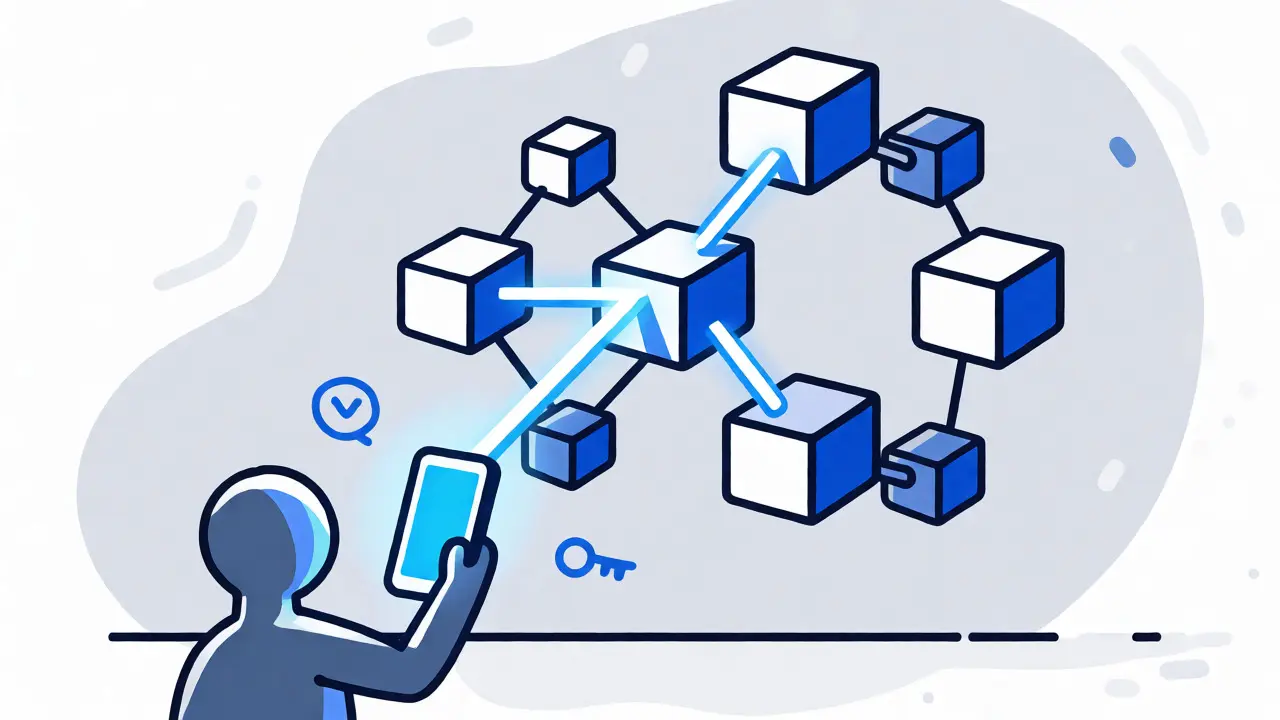
At its heart, a blockchain voting system is a database that nobody owns but everybody can check. When you cast a vote, it doesn't go into a central server controlled by one agency. Instead, it becomes a transaction on a decentralized network. Think of it like sending an email, but with two major differences: the recipient can't delete it, and everyone in the network has a copy of the record.
Here’s the basic flow. First, you prove who you are. This usually involves a digital identity check, often linked to government-issued credentials like a driver's license or passport. Once verified, the system issues you a unique cryptographic token-essentially a digital ballot. You select your candidate, sign the transaction with your private key, and broadcast it to the network. Miners or validators then add this transaction to a block. Once confirmed, your vote is locked in. It cannot be changed, deleted, or hacked without overwhelming computational power.
Smart Contracts play a crucial role here. These are self-executing codes stored on the blockchain that automatically tally votes when conditions are met. There's no human counter making mistakes or getting bribed. The code counts the votes, applies the rules, and outputs the result. This automation removes a huge layer of administrative error and potential corruption.
Real-World Tests: Voatz, Follow My Vote, and Votem
We aren't just talking theory. Several companies have already deployed these systems in real elections, mostly for niche groups like overseas military personnel or absentee voters. Voatz, based in Boston, piloted their mobile app in West Virginia in 2018 for overseas troops. Users could verify their votes via facial recognition and a driver's license scan. While convenient, early tests revealed some security vulnerabilities, highlighting that software bugs remain a risk even if the blockchain itself is secure.
Another player, Follow My Vote out of Colorado, focuses on remote voting using webcam verification. Their system allows voters to change their vote until the deadline closes, which is a feature traditional mail-in ballots lack. Then there's Votem, which offers a broader election management platform. During the 2016 US presidential election, Votem helped manage voter registration and absentee ballots in Montana and Washington, D.C., proving that hybrid models-combining traditional infrastructure with digital tools-can work effectively.
Security vs. Privacy: The Cryptographic Balancing Act
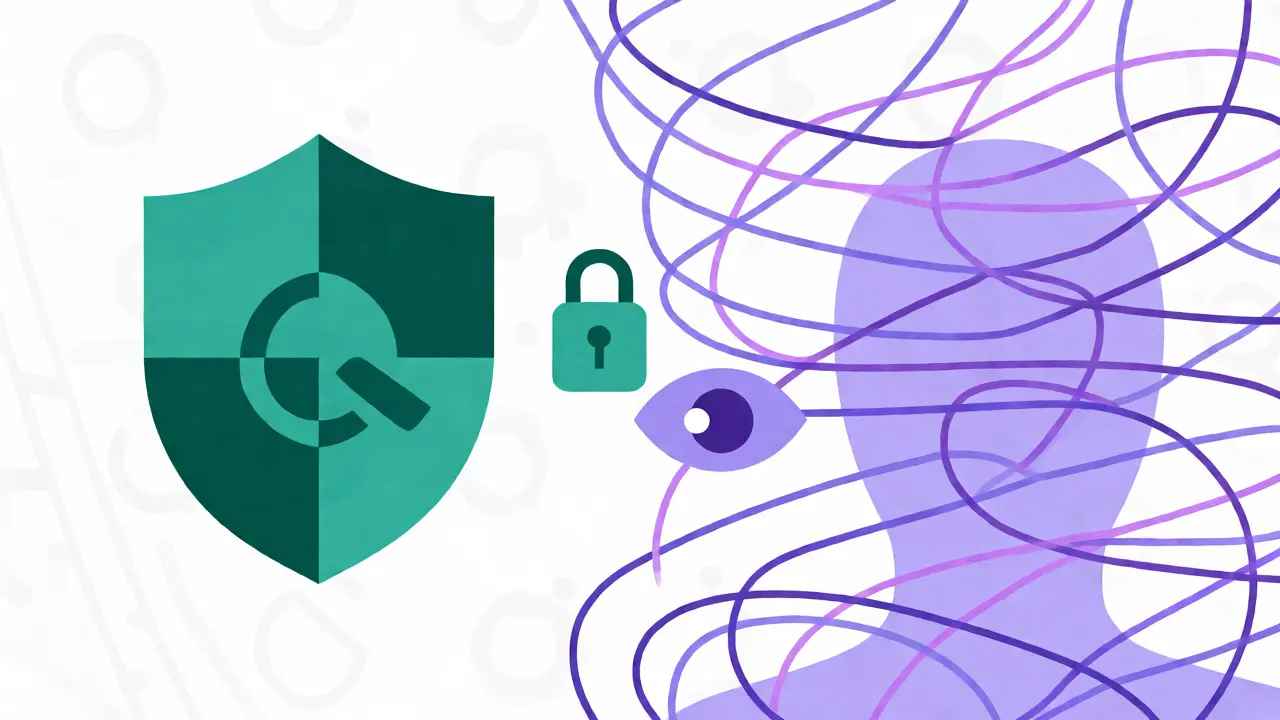
The biggest selling point of blockchain voting is transparency. Everyone can see that a vote was cast. But in a democracy, we also need secrecy. We must know *that* you voted, but not necessarily *how* you voted, at least not immediately. If everyone could see your vote in real-time, coercion becomes a problem. Imagine your boss watching your phone screen as you vote.
To solve this, developers use advanced cryptography techniques like Zero-Knowledge Proofs and homomorphic encryption. These methods allow the network to verify the validity of a vote (e.g., "this is a valid vote for Candidate A") without revealing the voter's identity until the tallying phase. Some systems even use ring signatures, which mix your vote with others so it looks identical to any other vote in the group.
However, security isn't just about math. It's about keys. If you lose your private key-the digital password that signs your vote-you might lose your right to vote or your ability to verify it. Unlike a paper ballot, there's no "forgot my password" link in many early blockchain implementations. Managing these keys securely on a smartphone is a significant hurdle for non-tech-savvy users.
Scalability and Infrastructure Challenges
Bitcoin handles about seven transactions per second. A national election needs millions. Early blockchain voting systems struggled with this volume. If every vote clogs the network, the system slows down, or fees skyrocket. To fix this, newer systems use Layer 2 solutions or private consortium blockchains. These don't rely on energy-intensive mining. Instead, a smaller group of trusted nodes validates transactions quickly.
Infrastructure is another issue. Do all voters have smartphones? Do they have stable internet? In rural areas or developing nations, relying solely on mobile-based blockchain voting could exclude large portions of the population. This creates a "digital divide," where only the tech-literate or wealthy can participate easily. Hybrid systems, which offer both online and offline voting options, seem to be the most practical short-term solution.
| Feature | Traditional Paper/Electronic | Blockchain Voting System |
|---|---|---|
| Transparency | Limited; relies on audit trails | High; public ledger viewable by anyone |
| Immutability | Vulnerable to physical tampering | Cryptographically locked; hard to alter |
| Speed of Results | Hours to days | Near real-time |
| Accessibility | In-person or mail-in | Remote via device; requires tech access |
| Cost | High logistics/printing costs | Lower long-term operational costs |
Why Adoption Is Slow Despite the Benefits
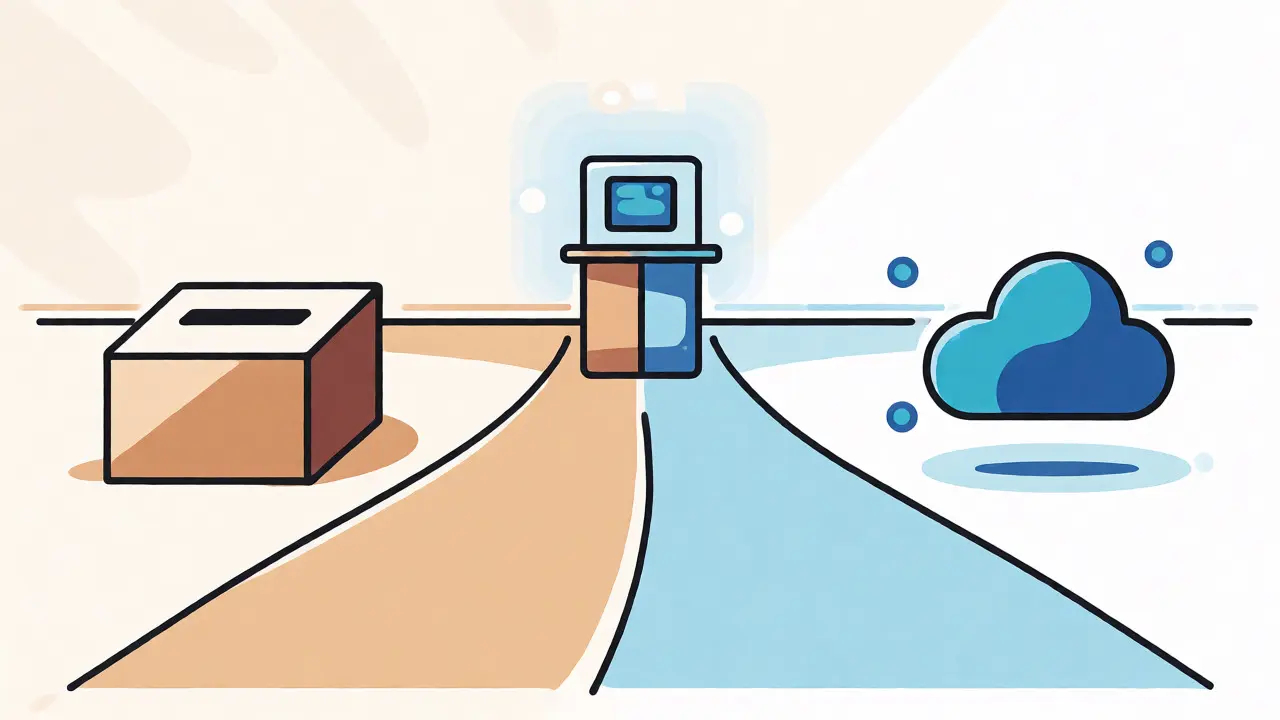
If the benefits are so clear, why aren't we using this everywhere? Trust is the main barrier. People trust paper because they understand it. A ballot box is a physical object. A blockchain is an abstract concept. Convincing a grandmother in Auckland or a farmer in Kansas to trust an algorithm over a paper receipt takes time and education.
Regulatory uncertainty also plays a huge role. Most countries haven't updated their election laws to recognize blockchain transactions as legal votes. Who audits the code? What happens if there's a bug in the smart contract? These questions don't have standardized answers yet. Furthermore, cybersecurity experts warn that while the blockchain is secure, the endpoints (your phone, your computer) are vulnerable to malware. A hacker could infect your device and change your vote before it even hits the blockchain.
The Future: Hybrid Models and Incremental Change
We likely won't see a full switch to blockchain voting overnight. Instead, expect incremental changes. Pilot programs will continue, focusing first on low-stakes elections like student unions or corporate shareholder votes. As confidence grows, these systems might expand to local municipal elections. The future lies in hybrid systems. Imagine voting in person, but your ballot is recorded on a blockchain for instant verification. Or voting remotely, but having the option to print a QR-coded receipt for peace of mind. Companies are already working on these interfaces, trying to make the underlying tech invisible to the user. You shouldn't need to know what a hash function is to vote; you just need to know your vote counted.
For now, blockchain voting remains a promising tool rather than a replacement. It solves specific problems-like verifying overseas votes or speeding up tallies-but introduces new complexities around identity and accessibility. The technology works. The challenge is building a society comfortable enough to let it run the show.
Can I change my vote after submitting it?
It depends on the system design. Some platforms, like Follow My Vote, allow you to update your vote until the polling station closes. Each new submission overwrites the previous one on the ledger. However, once the voting period ends and the final tally begins, the last submitted vote is the one that counts, and it cannot be changed.
Is my vote anonymous on the blockchain?
Yes, but through complex cryptography. Your personal identity is linked to your vote only during the authentication phase. Once the vote is cast, it is encrypted. Techniques like zero-knowledge proofs ensure that the network knows the vote is valid without knowing who cast it. The public sees the choice, not the name attached to it.
What happens if I lose my phone or private key?
This is a critical risk. In many current systems, losing your private key means losing access to your vote or your ability to verify it. Some newer systems implement recovery mechanisms, such as social recovery or backup phrases, similar to cryptocurrency wallets. Always follow the provider's instructions for backing up your credentials.
Are blockchain voting systems hackable?
The blockchain ledger itself is extremely difficult to hack due to decentralization. However, the surrounding infrastructure-user devices, apps, and identity verification portals-is vulnerable to standard cyberattacks like phishing or malware. Security depends heavily on the entire ecosystem, not just the chain.
Why do governments hesitate to adopt this technology?
Governments face three main hurdles: regulatory frameworks that don't yet recognize digital ledgers, the high cost of transitioning existing infrastructure, and public skepticism. Voters prefer familiar paper trails. Until trust is built through successful, large-scale pilots, officials remain cautious.