EU Privacy Coin Ban 2027: What It Means for Monero and Zcash
 Nov, 15 2026
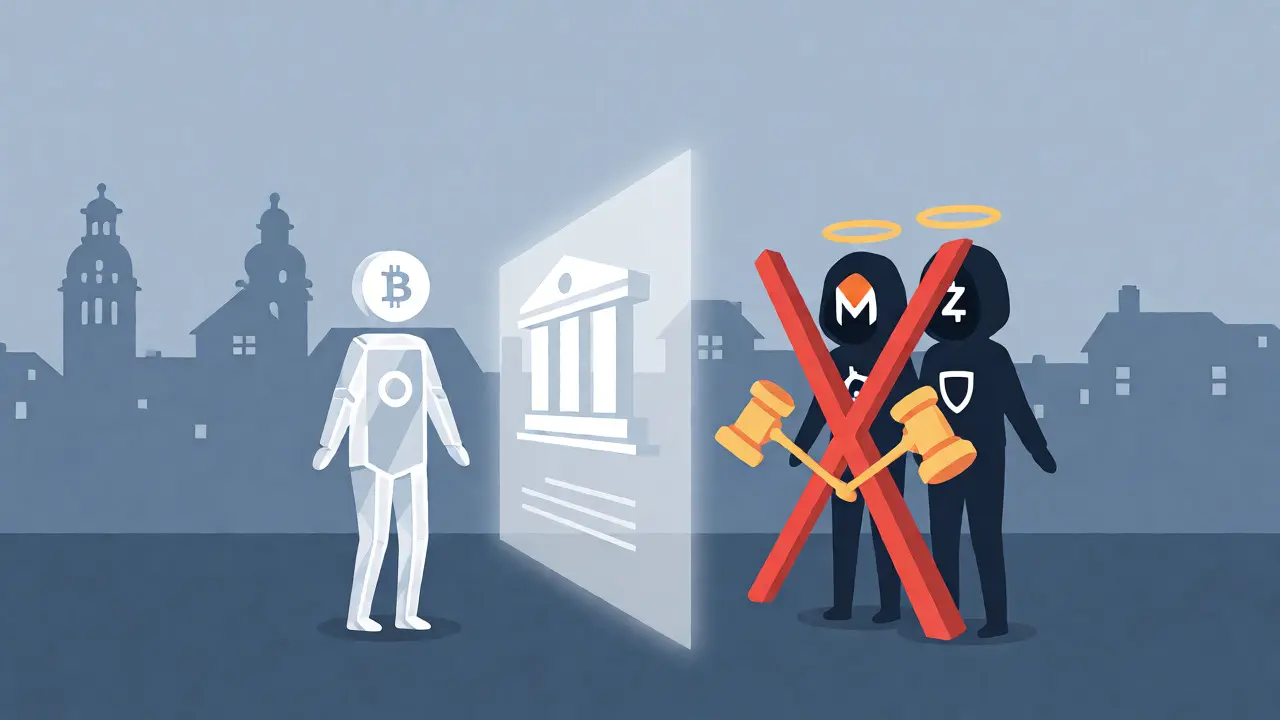
Imagine waking up in July 2027 to find that your favorite privacy-focused cryptocurrency can no longer be traded on any regulated exchange in Europe. No more buying Monero or Zcash on Kraken or Coinbase in Paris, Berlin, or Rome. This isn't a hypothetical nightmare for crypto enthusiasts; it is the concrete reality set by the European Union's new anti-money laundering rules. The EU has finalized legislation that effectively bans privacy coins from its regulated financial ecosystem, marking one of the most aggressive regulatory moves against cryptocurrency anonymity we've ever seen.
If you hold these assets or run a business involving them in Europe, the clock is ticking. The deadline is clear: July 1, 2027. But what exactly does this ban entail? Does it mean you lose your coins? Can you still use them? And why did regulators decide that transparency trumps privacy in this specific sector? Let's break down the mechanics of this regulation, the technology behind the targeted coins, and what you need to do before the deadline hits.
The Core Regulation: Why the EU Is Cracking Down
The driver behind this shift is Regulation 2024/1624, also known as the Anti-Money Laundering Regulation (AMLR). Adopted in May 2024, this law aims to protect the EU financial system from money laundering and terrorist financing. Regulators argue that while transparent cryptocurrencies like Bitcoin fit well into existing compliance frameworks because their transactions are traceable, privacy coins pose an "unacceptable risk."
Article 79 of the AMLR is the key provision here. It explicitly prohibits credit institutions, financial institutions, and Crypto-Asset Service Providers (CASPs) from handling accounts that allow for transaction anonymization. In plain English, if an exchange wants to stay licensed in the EU, it cannot offer services for coins where the sender, receiver, or amount is hidden. The regulation mandates identity verification for all crypto transfers over €1,000, creating an audit trail that privacy coins are specifically designed to obscure.
This isn't just about banning trading pairs. It affects the entire ecosystem. Under the Markets in Crypto-Assets (MiCA) framework, which works alongside the AMLR, CASPs must ensure their internal processes comply with these transparency standards. If a platform offers Monero, it risks losing its license. This creates a uniform enforcement across all 27 member states, leaving little room for local loopholes.
Targeted Technologies: Monero vs. Zcash
Not all cryptocurrencies are created equal in the eyes of regulators. The ban specifically targets assets with built-in privacy features that make standard Anti-Money Laundering (AML) checks difficult. Two names dominate this conversation: Monero and Zcash. While both offer privacy, they achieve it through different technical means, and understanding this distinction helps clarify why regulators view them similarly despite their architectural differences.
| Cryptocurrency | Privacy Technology | Regulatory Concern | Status Under EU Ban |
|---|---|---|---|
| Monero (XMR) | Ring signatures, stealth addresses, RingCT | Transactions are completely untraceable; default privacy | Banned from EU-regulated exchanges |
| Zcash (ZEC) | Zero-knowledge proofs (zk-SNARKs) | Shielded transactions hide sender, receiver, and amount | Banned from EU-regulated exchanges |
| Dash | PrivateSend (CoinJoin) | Mixes inputs to obscure transaction history | Likely restricted due to anonymity-enhancing features |
| Bitcoin (BTC) | Pseudonymous public ledger | Traceable via chain analysis tools | Allowed; fits AML compliance models |
Monero is often considered the gold standard for privacy because its protections are mandatory. Every transaction uses ring signatures to mix the sender's input with others, making it nearly impossible to determine who sent funds. Stealth addresses ensure that the recipient's address is never revealed on the blockchain. For regulators, this makes "know your customer" (KYC) protocols virtually useless when applied to the asset itself.
Zcash operates differently. It offers optional privacy through shielded pools using zero-knowledge proofs. Users can choose to send funds transparently or privately. However, the EU regulation doesn't distinguish between optional and mandatory privacy in this context. Because Zcash can facilitate anonymous transactions, it falls under the same prohibition. The European Crypto Initiative (EUCI) has confirmed that centralized projects operating as CASPs must cease operations for these assets to remain compliant.
The Enforcement Mechanism: AMLA and MiCA
Who actually enforces this ban? Enter the Anti-Money Laundering Authority (AMLA). This new supervisory body will begin monitoring the largest crypto firms serving tens of thousands of customers or processing over €50 million in transactions. Initially, oversight will target approximately 40 major firms, but the ripple effects will reach smaller providers through the broader MiCA framework.
The European Banking Authority (EBA) is tasked with translating these broad laws into specific enforceable standards. As of mid-2026, public consultations are still refining technical details, but the core prohibition is final. The EUCI notes that while implementation specifics are being tweaked, the ban on privacy coins themselves cannot be reversed through consultation. This certainty allows businesses to plan their exit strategies now rather than waiting until the last minute.
For Crypto-Asset Service Providers (CASPs), the stakes are high. Non-compliance could result in heavy fines or loss of operating licenses. Major exchanges like Binance, Coinbase, and Kraken have already begun delisting privacy coins in certain jurisdictions to preemptively align with these regulations. By July 2027, we expect to see these assets removed entirely from EU-facing order books.
What Happens to Your Holdings?
Here is the crucial distinction that many headlines miss: the EU ban restricts service providers, not individual ownership. You do not go to jail for holding Monero or Zcash in your personal wallet. The regulation prohibits banks and exchanges from offering these services, but it does not criminalize possession.
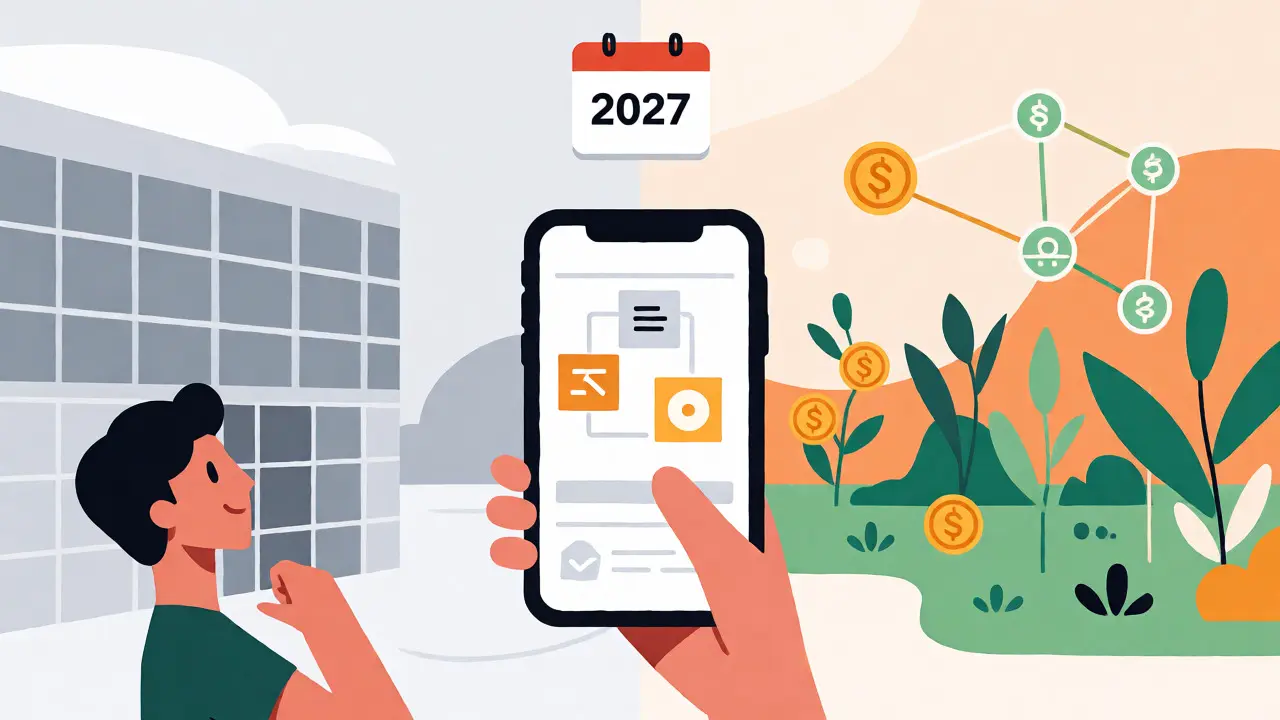
This creates a bifurcated market. On one side, you have the regulated, institutional-grade environment where only transparent assets like Bitcoin and Ethereum thrive. On the other, you have the decentralized realm. European citizens can continue to hold privacy coins through non-EU platforms, decentralized exchanges (DEXs), or peer-to-peer networks. However, moving fiat currency (euros) into or out of these privacy coins becomes significantly harder. You might need to convert EUR to USDC or another stablecoin first, then swap for XMR or ZEC on a DEX, adding friction and potential tax complications.
Consider the scenario of a freelancer in Germany paid in Monero. They can receive the payment in their self-custody wallet. But if they want to buy groceries with euros, they can't simply sell Monero on a German bank-linked exchange anymore. They would need to move those Monero to a global exchange outside the EU jurisdiction, sell for USD or EUR, and transfer back. This adds time, fees, and counterparty risk.
Global Implications and Future Outlook
The EU is rarely the lone wolf in financial regulation. Its GDPR set the global standard for data privacy, and its MiCA framework is influencing crypto laws worldwide. The 2027 privacy coin ban could serve as a template for other jurisdictions. Countries like South Korea and Japan have already shown strict stances on anonymity-enhanced coins. If the EU successfully implements this ban without causing massive capital flight, other nations may follow suit, further marginalizing privacy coins in mainstream finance.
Conversely, this could drive innovation in hybrid solutions. We might see the rise of "compliant privacy" technologies-assets that offer selective disclosure, allowing users to prove compliance to auditors while keeping public records private. Or, we may see a resurgence of privacy coins in jurisdictions with laxer regulations, such as parts of Southeast Asia or Latin America, leading to a fragmented global crypto landscape.
Market reactions so far have been mixed. Some traders anticipate price volatility as liquidity dries up in the EU. Others believe that since demand for privacy persists globally, the price impact will be neutralized by increased adoption elsewhere. Regardless, the era of easy, regulated access to privacy coins in Europe is coming to an end.
Action Plan for Investors and Businesses
If you are affected by this change, here is how you should prepare:
- Audit Your Portfolio: Identify how much of your holdings consist of privacy coins. Decide whether to hold long-term or liquidate before the July 2027 deadline.
- Review Exchange Access: Check if your primary exchange serves EU clients. If yes, monitor their delisting announcements. Start exploring non-EU exchanges or DEXs for future trades.
- Plan Your Off-Ramps: Figure out how you will convert privacy coins to fiat. Will you use a global exchange? Peer-to-peer sales? Understand the tax implications of cross-border conversions.
- Stay Informed on Technical Details: Keep an eye on updates from the European Banking Authority regarding specific definitions of "anonymity-enhancing." There may be nuances for assets with optional privacy features like Zcash.
The transition won't happen overnight. The two-year window gives ample time to adjust. But procrastination could lead to forced liquidation at unfavorable prices or locked funds on platforms that suddenly restrict withdrawals. Being proactive is your best defense.
Will I lose my Monero or Zcash if I live in the EU?
No, you will not lose your coins. The ban applies to service providers like exchanges and banks, not individual holders. You can keep your coins in self-custody wallets. However, selling them for euros on regulated EU platforms will become difficult or impossible after July 1, 2027.
Why are Monero and Zcash banned but Bitcoin is not?
Bitcoin transactions are pseudonymous but traceable on a public ledger, allowing regulators to track flows and identify suspicious activity. Monero and Zcash use cryptographic techniques (ring signatures and zero-knowledge proofs) to hide transaction details, making standard anti-money laundering checks ineffective. The EU prioritizes traceability for compliance.
Can I still trade privacy coins in Europe after 2027?
You can trade them on decentralized exchanges (DEXs) or non-EU centralized exchanges that accept European customers. However, you will likely face higher friction, such as needing to convert to stablecoins first, and potentially fewer liquidity options compared to pre-ban levels.
Does the ban apply to Dash as well?
Likely, yes. Dash uses PrivateSend, a mixing feature that obscures transaction history. While its privacy is less robust than Monero's, it still enhances anonymity beyond standard transparent chains. Most interpretations of the AMLR suggest that any asset with significant anonymity-enhancing features will face similar restrictions.
What is the exact date the ban takes effect?
The ban takes effect on July 1, 2027. This date provides a transition period for exchanges to delist assets and for users to reposition their portfolios. After this date, EU-regulated entities must fully comply with the prohibition on handling privacy-preserving digital assets.