How Cryptocurrency Market Cap Manipulation Works and How to Spot It
 Apr, 29 2026
Imagine waking up to see a random coin you've never heard of skyrocketing by 400% in three hours. You see a flood of tweets calling it the "next big thing," and for a moment, it looks like easy money. But by the time you hit the buy button, the price crashes back to zero. You didn't just witness a market correction; you were the target of a coordinated attack. In the world of digital assets, market cap manipulation is a silent predator that exploits the lack of regulation and the anonymity of the blockchain to trick retail investors.
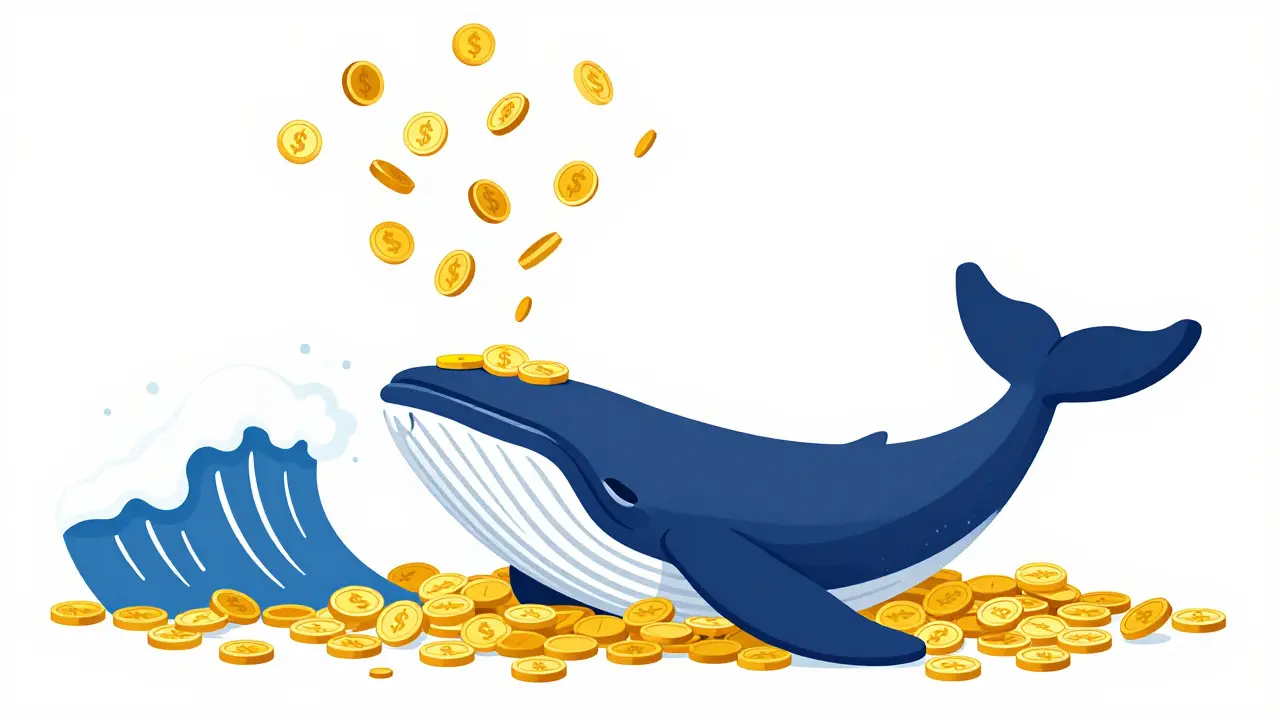
Unlike the stock market, where the SEC keeps a tight leash on trading patterns, the crypto space is often like the Wild West. Because many tokens have low liquidity, a few wealthy holders-known as Whales-can move the price of an asset with a single large trade. This creates a dangerous environment where the "market cap" (the total value of all coins in circulation) becomes a vanity metric that doesn't actually reflect the true value or demand of the project.
The Art of the Pump and Dump
The most common way manipulators mess with market caps is through the pump and dump. It's a simple, two-step play: first, they create artificial hype (the pump), and then they sell everything at the peak (the dump). This usually starts in private Telegram or Discord groups where organizers pick a low-cap coin. They tell their followers to buy in at a specific time, creating a massive price spike.
The trick is that the organizers have already bought the coin at a rock-bottom price. As unsuspecting retail investors jump in, fearing they'll miss out on a moonshot, the price hits a peak. That's when the manipulators vanish, selling their huge bags and crashing the price. To show how real this is, look at the FBI's "Operation Token Mirrors" in 2024. They set up a fake coin called NexFundAI just to catch these fraudsters, eventually uncovering a $25 million scheme and charging 18 people. In 2023 alone, over 90,000 tokens were flagged for this kind of behavior, netting manipulators hundreds of millions of dollars.
Wash Trading: Creating Fake Hype
Ever wonder why some coins show millions of dollars in daily trading volume but the price barely moves? You're likely looking at Wash Trading. This happens when a trader (or an exchange) buys and sells the same asset to themselves over and over. It doesn't change who owns the coins, but it makes the asset look incredibly popular.
This is a huge problem on unregulated exchanges. Some reports suggest that over 70% of the volume on these platforms is actually wash trading. Why do they do it? Because high volume attracts new investors and makes the exchange look more liquid and trustworthy than it actually is. If you see a coin with massive volume but almost no social engagement or actual utility, there's a high chance the numbers are being faked through circular fund movements between linked wallet addresses.
| Tactic | Primary Goal | Main Tool Used | Who is Targeted? |
|---|---|---|---|
| Pump and Dump | Quick Profit | Social Media Hype | Retail Investors |
| Wash Trading | Fake Liquidity | Bot Trading | New Investors/Exchanges |
| Spoofing | Price Direction | Fake Large Orders | Algorithm Traders |
| Oracle Attack | Collateral Theft | Price Feed Tampering | DeFi Protocols |
Spoofing and the "Sell Wall" Trick
Spoofing is a bit more psychological. A manipulator places a massive order to buy or sell a coin, but they have no intention of actually completing the trade. They just want the rest of the market to see that giant order in the order book. If you see a massive "sell wall" (a huge amount of coins for sale at a specific price), you might think the price can't go any higher and decide to sell your own coins cheaply.
Once the manipulator has bought up enough of those cheap coins from scared investors, they simply cancel the fake sell order. Suddenly, the "wall" vanishes, the resistance is gone, and the price spikes. It's a game of chicken where the person with the most capital controls the perceived supply and demand.
DeFi and the Danger of Oracle Manipulation
In the world of Decentralized Finance (DeFi), things get even more technical. Many DeFi platforms rely on a Price Oracle-a service that tells the platform what a token is worth in real-time. If a manipulator can trick the oracle into thinking a token's price has spiked, they can use that fake value as collateral to borrow massive amounts of other assets.
A legendary example of this happened with Mango Markets on the Solana blockchain. A trader managed to manipulate the oracle price of Mango tokens, inflating their value to take out loans worth $115 million. While the trader argued it was just a "profitable strategy," the SEC and the courts disagreed, leading to fraud charges. This shows that manipulation isn't just about social media hype; it's about exploiting the very code that DeFi is built on.
How to Protect Your Portfolio
You can't stop whales from manipulating the market, but you can stop yourself from being their exit liquidity. The first rule is to be skeptical of sudden volume spikes. If a coin is trending on Twitter but has no new partnerships, no product updates, and no real-world use case, it's likely a pump and dump in progress.
Check the blockchain. Use tools to see if a few wallets hold the majority of the supply. If three wallets hold 80% of the coins, those people can crash the price whenever they want. Also, be wary of "low liquidity" pairs on decentralized exchanges. If it only takes $10,000 to move the price by 10%, that coin is a prime target for manipulators.
Can market manipulation happen to Bitcoin?
While it's possible, it's much harder. Bitcoin's market cap is so massive that it would take billions of dollars to move the price significantly. Manipulation is far more common in "altcoins" or "meme coins" where a few million dollars can cause a massive price swing.
Is wash trading illegal in crypto?
In traditional finance, yes, it is highly illegal. In crypto, it depends on the jurisdiction. Many unregulated exchanges ignore it or even participate in it to look more successful, but regulators like the SEC are increasingly cracking down on it as fraud.
What is the best way to spot a pump and dump?
Look for "coordinated hype." If you see dozens of accounts using the same phrases and emojis to promote a low-cap coin simultaneously without any actual news, it's a red flag. Always check the token's distribution on a blockchain explorer before buying.
How does a sell wall actually work?
A sell wall is a massive limit order placed at a specific price point. It signals to other traders that there is a huge amount of supply waiting to be sold, which discourages buyers from pushing the price higher and encourages others to sell their holdings lower.
Are price oracles safe?
Most modern protocols use decentralized oracles (like Chainlink) to pull data from multiple sources, making them harder to manipulate. However, projects that rely on a single liquidity pool for their price feed are still very vulnerable to flash loan attacks and oracle manipulation.