How to Buy Crypto with Rubles in Russia: 2026 Guide
 Oct, 24 2026
Buying cryptocurrency with Russian Rubles (RUB) isn't as simple as clicking a button anymore. Since the geopolitical shifts of 2022, the landscape has transformed from a straightforward exchange process into a strategic game of navigating banking restrictions, sanctions, and evolving local laws. If you are trying to move your fiat money into digital assets today, you need more than just an account; you need a map of the current terrain.
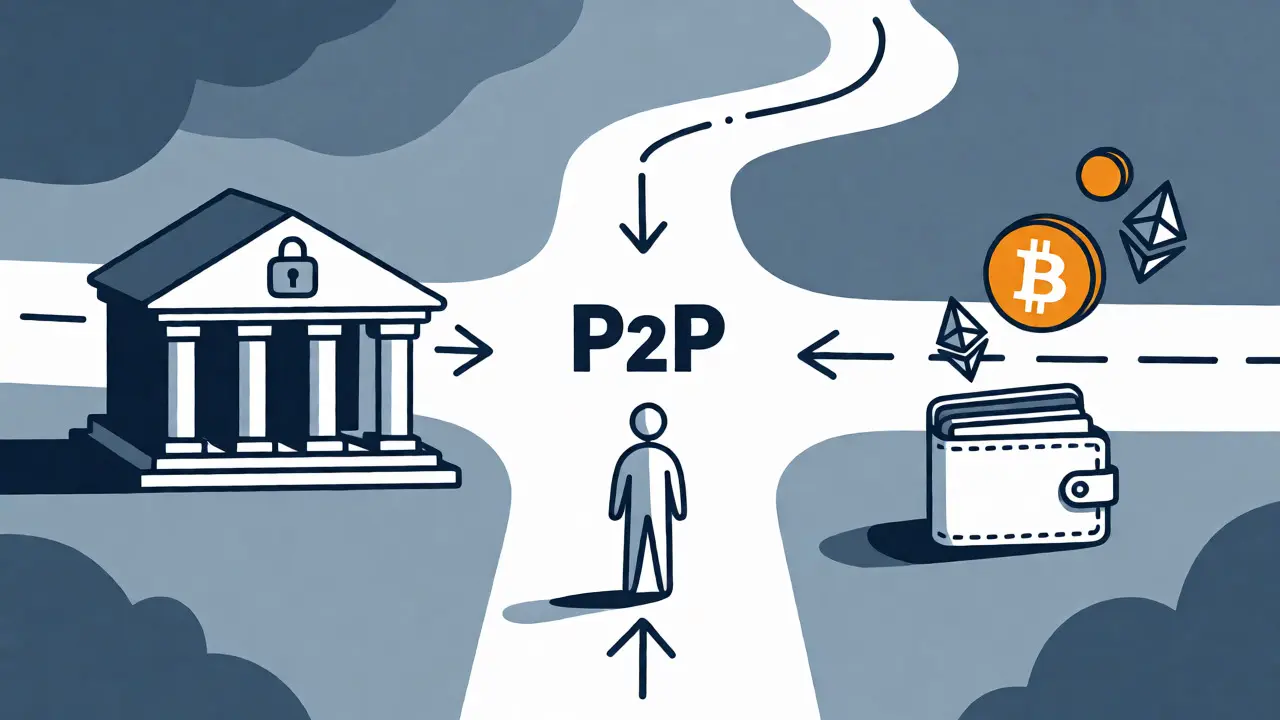
As of late 2025 and early 2026, approximately 18.7 million Russians own digital assets. That’s nearly 13% of the population. But here is the catch: while ownership is high, the friction to buy is real. Direct card purchases often fail if you use state-owned banks like Sberbank without specific intermediary services. The market has adapted, though. We now see a robust ecosystem of Peer-to-Peer (P2P) platforms, specialized exchanges with localized liquidity, and non-custodial wallets that bypass traditional banking hurdles entirely.
The Current Regulatory Landscape
You might wonder, "Is it even legal?" Yes, owning cryptocurrency is legal in Russia. However, using it for domestic payments is restricted. You can hold Bitcoin or Ethereum as an asset, but you cannot easily pay for coffee with them at the local bakery. The Central Bank of Russia has been tightening its grip on compliance. Federal Law No. 115-FZ, updated in January 2025, mandates strict Know Your Customer (KYC) procedures for any transaction involving fiat currency. This means you will almost certainly need to provide your passport and INN number when moving RUB into crypto.
There is also the looming presence of the digital ruble. Scheduled for full public integration by mid-2025, this state-backed digital currency is designed to coexist with private cryptocurrencies, not replace them. Analysts suggest the digital ruble will handle domestic settlements, while private crypto remains the go-to for cross-border transactions and inflation hedging. For now, this dual system creates a unique opportunity: you can hedge against ruble depreciation (which saw an 8.4% annual drop in 2024) by converting to stablecoins like USDT, which remain the dominant entry point for Russian investors.
Choosing the Right Platform
Your choice of platform depends entirely on how much money you want to move and how much hassle you are willing to tolerate. There are three main routes:
- Instant Card Exchanges: Services like ChangeNOW allow you to swap RUB for crypto quickly, often within 5 minutes. They don’t require account creation, making them great for small amounts (under 500,000 RUB). However, they support fewer coins and have higher fees, typically between 1.5% and 3.9%.
- P2P Marketplaces: Platforms like Bybit and Bitget dominate this space. Here, you buy directly from other users. You transfer RUB to their bank account, and they release crypto from escrow. This method offers better rates and lower fees (0.5-2.0%) but requires careful vetting of buyers.
- Custodial Exchanges: Traditional exchanges like Bitbanker offer deep liquidity and direct banking integrations. They support larger volumes but enforce rigorous KYC checks and may have withdrawal delays during high volatility.
| Method | Speed | Fees | Best For | Risk Level |
|---|---|---|---|---|
| Instant Exchange (e.g., ChangeNOW) | 5-10 mins | 1.5-3.9% | Small amounts (<500k RUB) | Low (Automated) |
| P2P Trading (e.g., Bybit) | 10-30 mins | 0.5-2.0% | Medium/Large amounts | Medium (Counterparty risk) |
| Custodial Exchange (e.g., Bitbanker) | Hours to Days | ~1.8% | High volume/Pro traders | Low (Regulated) |

Navigating the Banking Maze
This is where most beginners stumble. Not all Russian banks treat crypto transactions equally. On P2P platforms, you will notice a color-coded system for bank cards. A "Green" card usually indicates Sberbank, while a "Yellow" card represents T-Bank (formerly Tinkoff). Why does this matter? Because some merchants block transactions labeled as "crypto-related," and certain banks freeze accounts if they detect frequent transfers to unknown individuals.
T-Bank (Yellow) has emerged as the most reliable option for P2P trades, boasting a 92% successful transaction rate compared to Sberbank’s 87%. When selecting a buyer on a P2P platform, always check their completion rate. Look for sellers with over 95% success rates and at least 50 completed transactions. This filters out scammers who try to reverse bank transfers after receiving your crypto. Also, be aware of daily limits. Non-verified accounts are capped at 600,000 RUB per day, while verified accounts can move up to 5,000,000 RUB.
Step-by-Step: Buying via P2P
If you choose the P2P route, which is currently the most popular for its balance of cost and accessibility, follow these steps carefully to avoid pitfalls:
- Select the Asset: Most users start with USDT (Tether) because it acts as a dollar proxy. It’s easier to sell later than volatile coins like Bitcoin.
- Filter Sellers: Go to the "Buy" tab, select RUB, and filter by your preferred bank (e.g., T-Bank). Sort by price or completion rate.
- Check Seller Profile: Click on the seller’s name. Ensure they have a high rating and positive recent reviews. Avoid new accounts with zero history.
- Initiate Order: Enter the amount of RUB you want to spend. The platform will lock the seller’s USDT in escrow.
- Transfer Funds: Send the exact amount from your bank app to the seller’s provided account details. Do not include "Bitcoin" or "Crypto" in the payment note-just leave it blank or use a neutral reference.
- Confirm Payment: Once sent, click "I have paid" on the platform. The seller then releases the crypto to your wallet.
A common mistake is sending the wrong amount due to exchange rate fluctuations during the trade. Use platforms with price-lock features to mitigate this. About 28% of P2P transactions suffer from minor rate discrepancies, so double-check the final figure before hitting send.

Security and Tax Implications
Security is paramount. In 2025, fraud attempts increased, with 31% of users reporting encounters with fraudulent buyers attempting chargebacks. Always keep communication within the platform’s chat. Never agree to move conversations to Telegram or WhatsApp immediately, as this removes the platform’s protection layer.
On the tax front, clarity is still emerging. While you must declare crypto assets, specific guidelines are fuzzy. The Blockchain Association of Russia notes that 78% of users are confused about how to report gains. Currently, profits from selling crypto are subject to personal income tax (NDFL), typically 13% for residents. Keep detailed records of every purchase and sale, including dates, amounts in RUB, and transaction IDs. If Federal Bill No. 45877-8 passes, we may see clearer rules, potentially simplifying compliance significantly.
Future Outlook: Digital Ruble and Beyond
Looking ahead, the integration of the digital ruble with blockchain infrastructure could reduce transaction costs by 35-50%. Imagine paying for goods with digital rubles instantly settled on a blockchain, while holding Bitcoin as a store of value. This hybrid model is already being tested by Sberbank’s blockchain division. For now, however, the smartest move is diversification. Don’t keep all your fiat in one place. Split your holdings between stablecoins for liquidity and major cryptos for long-term growth.
The market is resilient. Despite sanctions, Russia’s crypto ecosystem has grown by 37% year-over-year. Platforms are adapting fast, introducing NSPK (National Payment Card System) integrations and MIR card support. If you stay informed about bank restrictions and use reputable platforms, buying crypto in Russia is not only possible-it’s a viable strategy for financial preservation.
Can I buy Bitcoin directly with a Russian credit card?
Direct purchases with international cards (Visa/Mastercard issued abroad) work well. However, cards issued by Russian banks often face restrictions or blocks when used on global exchanges. Most users prefer P2P transfers or specialized local exchanges that accept MIR cards or direct bank transfers.
Do I need to verify my identity (KYC) to buy crypto?
Yes, for fiat-to-crypto transactions. Under Federal Law No. 115-FZ, exchanges must verify customers for RUB transactions. You will need a passport and INN number. Crypto-to-crypto trades sometimes allow lighter verification, but moving money in from a bank usually triggers full KYC.
Which bank is best for P2P crypto transactions in Russia?
T-Bank (formerly Tinkoff) is widely considered the most reliable for P2P trades due to its user-friendly interface and higher success rates for crypto-related transfers. Sberbank is also popular but may flag frequent transactions more aggressively. Always check the seller's accepted banks before starting.
What happens if a P2P seller doesn't release my crypto?
If you have proof of payment (screenshot/receipt) and the seller fails to release funds, you can open an appeal with the platform's support team. Most reputable platforms like Bybit and Bitget have arbitration processes that resolve disputes within 24 hours. Ensure you upload clear evidence of the bank transfer.
Is the digital ruble replacing cryptocurrency in Russia?
No, the digital ruble is intended to coexist with private cryptocurrencies. It aims to streamline domestic payments and government transactions, while private crypto continues to serve as an investment vehicle and tool for cross-border settlements.