How to Calculate Liquidation Price in Crypto Futures Trading
 Apr, 10 2026
Imagine you've just opened a high-leverage long position on Bitcoin, feeling confident that the market is about to moon. You're using 20x leverage, and everything looks great-until a sudden flash crash happens. Within minutes, your screen flashes red, and your position is gone. You didn't hit your stop-loss; you were liquidated. This is the nightmare scenario for every leveraged trader, and it happens because of a specific number: the liquidation price.
In the world of Cryptocurrency Futures is a derivative contract that allows traders to speculate on the future price of an asset without owning the underlying coin. Commonly traded on platforms like Binance Futures or Bybit, these contracts use leverage to amplify gains, but they also amplify risk. If the market moves against you, the exchange will forcibly close your position to ensure they don't lose money on your behalf. That "point of no return" is your liquidation price.
The Core Mechanics: How Liquidation Actually Works
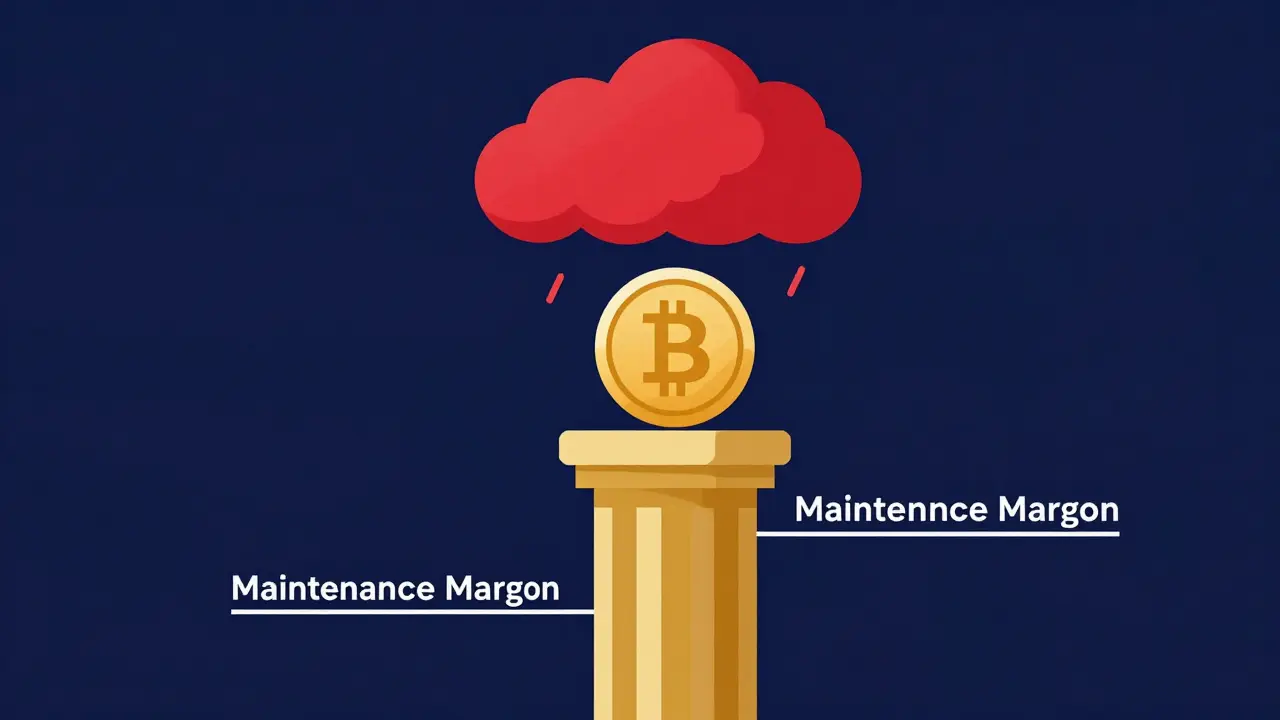
To understand the math, you first need to know about the Maintenance Margin, which is the minimum amount of collateral a trader must maintain in their account to keep a position open. Think of it as a safety buffer. If your margin balance drops below this threshold, the exchange's system triggers an automatic liquidation process.
Most major platforms avoid using the "Last Traded Price" to trigger this because a single massive sell order (a "wick") could wipe out thousands of traders instantly. Instead, they use the Mark Price, which is a calculated fair value of the contract based on a weighted average of prices from multiple exchanges. This prevents price manipulation on a single platform from causing unnecessary liquidations.
The Math: Calculating Your Liquidation Point
While most exchanges provide a theoretical estimate in their interface, knowing the manual calculation helps you set more accurate stop-losses. The math differs based on whether you are betting the price will go up (Long) or down (Short).
For Long Positions
When you go long, you lose money as the price drops. Your liquidation price is the floor where your collateral is no longer enough to cover the loss.
- Formula: Entry Price × (1 - Initial Margin Rate + Maintenance Margin Rate)
For Short Positions
When you go short, you lose money as the price rises. Your liquidation price is the ceiling where your collateral runs out.
- Formula: Entry Price × (1 + Initial Margin Rate - Maintenance Margin Rate)
For most major coins, the maintenance margin rate is tiny-usually between 0.5% and 1%. However, if you're trading volatile altcoins, this rate can jump to 5%, meaning you'll be liquidated much sooner than you'd expect.
| Feature | Isolated Margin | Cross Margin |
|---|---|---|
| Risk Scope | Limited to a single position | Shared across entire account |
| Collateral Use | Allocated specifically to one trade | All available balance acts as collateral |
| Liquidation Event | Only that specific position closes | Can trigger account-wide liquidation |
| Best For | Risk-averse traders / Single strategies | Diversified portfolios / Capital efficiency |
Liquidation vs. Bankruptcy: What's the Difference?
Many traders use these terms interchangeably, but they are very different. The Bankruptcy Price is the absolute price point where your losses exactly equal your initial margin, leaving you with a balance of zero. Liquidation happens before bankruptcy. The exchange closes your position while there is still a tiny bit of money left to ensure the trade can be closed without the exchange taking a loss.
This gap is where the Insurance Fund comes in. If your position is liquidated above the bankruptcy price, the excess goes into the fund. If the market crashes so fast that you are liquidated below the bankruptcy price, the Insurance Fund steps in to cover the deficit so the exchange doesn't owe money to the winning side of the trade.
The Danger of "Early Liquidation"
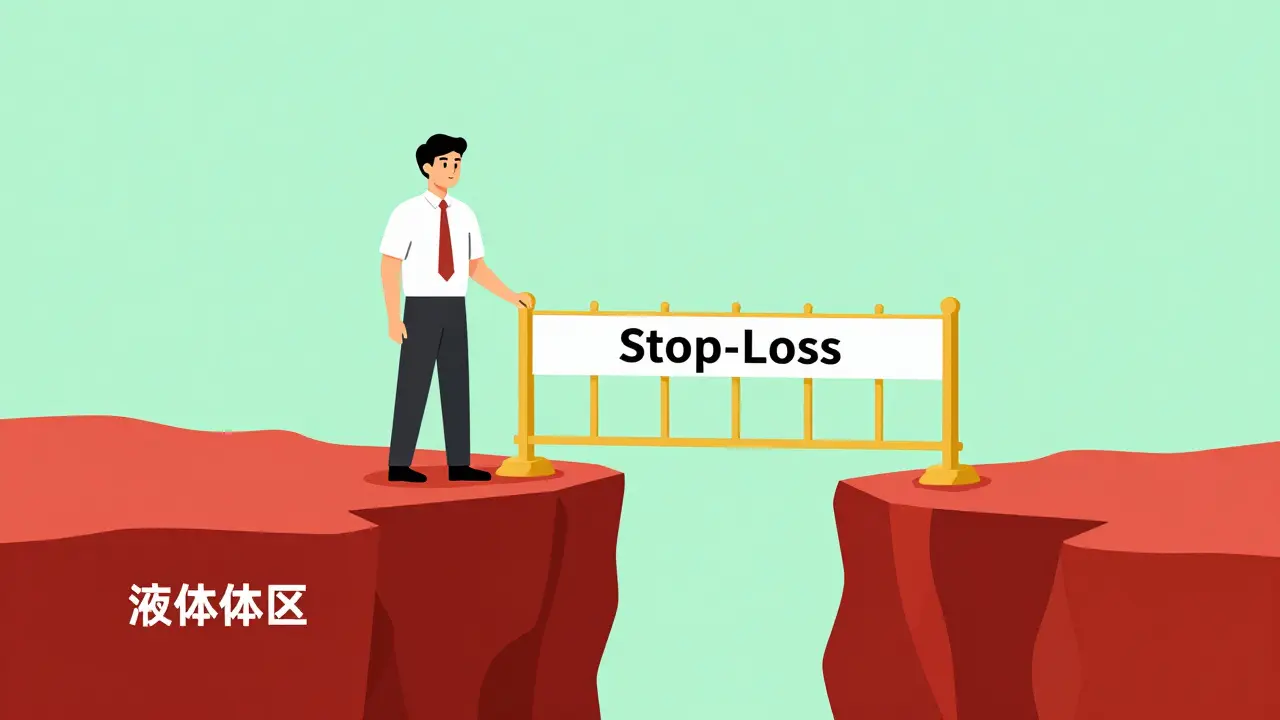
Here is a truth that platforms don't always highlight: the price you see on your screen is often just a theoretical estimate. In fast-moving markets, you can experience "early liquidation." This happens when market slippage is so extreme that the exchange cannot close your position exactly at the liquidation price.
During the January 2022 volatility, some traders reported being liquidated 2-3% away from their displayed price. This is why relying solely on the exchange's calculator is a gamble. If the order book is thin (low liquidity), your position might be closed prematurely to protect the platform's solvency.
Professional Strategies to Avoid Liquidation
Experienced traders don't just hope for the best; they build a safety net. If you want to survive the volatility of crypto, stop treating the liquidation price as your stop-loss.
- Maintain a 20-30% Buffer: Never let your current price get within 10% of your liquidation point. Professional traders often keep a 25%+ buffer to survive sudden "flash wicks."
- The 5% Rule: Following guidelines from risk management frameworks, never risk more than 5% of your total capital on a single leveraged position.
- Use Hard Stop-Losses: Set a stop-loss well above your liquidation price. It is better to take a small, controlled loss than to have the exchange seize your entire margin.
- Monitor Funding Rates: Remember that funding fees are deducted from your margin balance over time. If you hold a position for weeks, your margin balance will slowly drop, which actually pushes your liquidation price closer to the current market price.
Why was I liquidated even though the price didn't hit my liquidation point?
This is usually due to the difference between the Last Traded Price and the Mark Price. Exchanges use the Mark Price to trigger liquidations to avoid manipulation. If the Mark Price hit your threshold, you're gone, even if the "current price" shown on the chart looked safe. Additionally, extreme slippage can cause early liquidation during high volatility.
Is isolated margin safer than cross margin?
In terms of total account safety, yes. With isolated margin, you can only lose the specific amount of money you put into that one trade. With cross margin, a single bad trade that goes deep into loss can drain your entire account balance, potentially liquidating all your other open positions simultaneously.
Can I move my liquidation price after opening a trade?
Yes, by adding more margin to the position. Adding collateral increases your margin balance, which pushes the liquidation price further away from the current market price, giving you more room to breathe.
What happens to my funds after liquidation?
Your initial margin for that position is gone. Depending on the exchange and the price at which the position was closed, some remaining funds may go into the exchange's Insurance Fund to protect other traders from systemic failure.
How does leverage affect the liquidation price?
The higher the leverage, the closer your liquidation price is to your entry price. For example, at 2x leverage, the price has to drop roughly 50% for you to be liquidated. At 50x leverage, a price move of only 2% in the opposite direction can wipe out your entire position.