Kuma Inu Airdrop: Is It Real or a Scam? (2026 Guide)
 Aug, 8 2026
Is the Kuma Inu Airdrop Real?
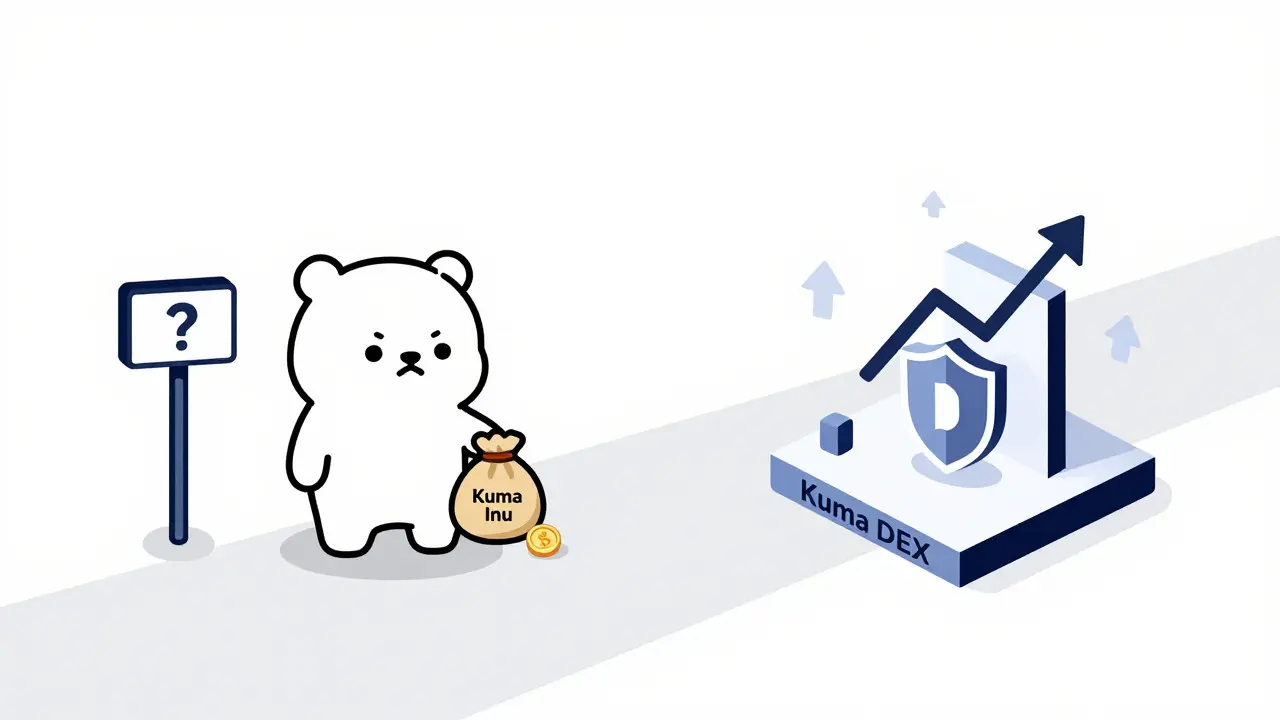
You’ve probably seen the headlines. Social media feeds are flooded with promises of free Kuma Inu tokens from an "exclusive event." It sounds too good to be true, doesn’t it? Well, in the world of cryptocurrency, if something sounds too good to be true, it usually is. As of August 2026, there is no official, verified airdrop for the Kuma Inu ($KUMA) meme token. The confusion stems from two completely different projects using similar names, and scammers are exploiting this ambiguity to drain wallets.
If you are holding out for free $KUMA tokens, you need to stop and verify your sources immediately. The real Kuma Inu project has not announced any active distribution events. Meanwhile, a separate platform called Kuma (formerly IDEX) is offering rewards, but those are tied to trading on the Berachain network, not giving away meme coins for free. Mixing these up could cost you everything in your wallet.
The Two "Kumas" Confusing Everyone
To understand why this rumor exists, we have to look at the identity crisis happening in the crypto space right now. There are two distinct entities that share the "Kuma" name, and they have nothing to do with each other.
First, you have Kuma Inu ($KUMA). This is a community-driven meme token that tried to pivot into DeFi features. It launched as a joke but added a yield farming protocol called Kuma Breeder. Despite its efforts, the token has seen very little activity. Its price hovers around fractions of a penny, with often zero trading volume in a 24-hour period. The project’s governance is decentralized, meaning holders vote on decisions, but there hasn’t been a single major announcement regarding a mass token giveaway.
Second, you have Kuma (formerly IDEX). This is a serious decentralized exchange (DEX). In March 2025, IDEX rebranded to Kuma to align itself with the Berachain ecosystem. This platform allows users to trade perpetual futures. They launched a reward program where traders earn BGT (Berachain Gas Token) by providing liquidity or trading. This is a performance-based reward system, not a free-for-all airdrop. People confuse the BGT rewards on the Kuma DEX with a "Kuma Inu airdrop," leading to the current wave of misinformation.
| Feature | Kuma Inu ($KUMA) | Kuma (formerly IDEX) |
|---|---|---|
| Type | Meme Token / DeFi | Decentralized Exchange (DEX) |
| Network | Ethereum (typically) | Berachain / Ethereum |
| Reward Mechanism | Yield Farming (Kuma Breeder) | Trading Rewards (BGT) |
| Airdrop Status | No Official Event | Points/Rewards for Traders |
| Primary Goal | Community Governance & Meme Culture | Perpetual Futures Trading |
Why You Should Be Skeptical of "Free" Tokens
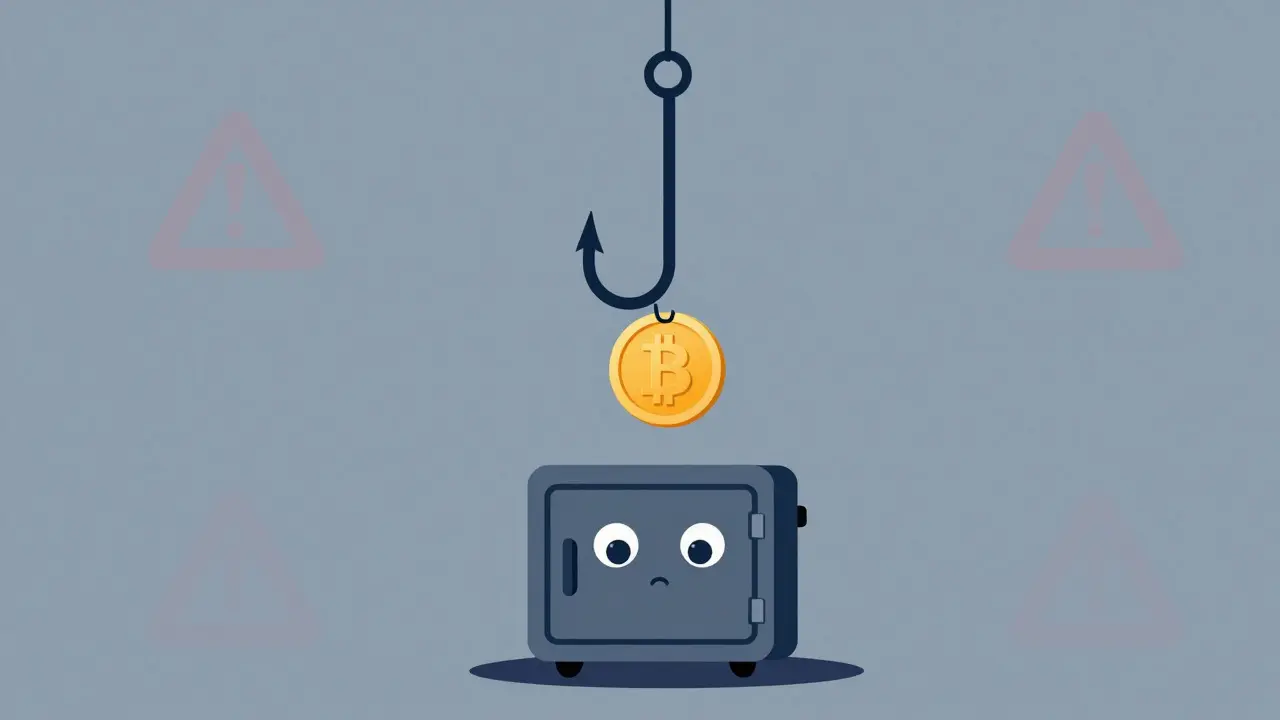
Let’s talk about how scams work in 2026. Scammers know that people love free money. They also know that new investors often don’t check the whitepaper or official social channels. When a rumor starts about a "Kuma Inu Event airdrop," fake websites pop up overnight. These sites ask you to connect your wallet to "claim" your tokens.
Here is what actually happens when you connect your wallet to a fake airdrop site:
- The Approval Trap: The site asks you to approve a transaction. It looks like a simple claim fee, but it’s actually granting unlimited spending access to your tokens.
- The Drain: Once approved, the smart contract drains your ETH, USDT, or other valuable assets from your wallet instantly.
- The Ghosting: You receive zero KUMA tokens. The website disappears, and the developers vanish.
This isn’t theoretical. Thousands of users lose funds every month to "airdrop" scams involving popular meme coins. The fact that Kuma Inu has low trading volume makes it an even easier target because fewer people are watching the chain for suspicious activity.
How to Spot a Fake Kuma Inu Airdrop
You don’t need to be a blockchain expert to protect yourself. Follow these three rules before clicking any link related to a Kuma Inu giveaway.
- Check the URL: Does the website address look weird? Legitimate projects use their official domain. If you see "kuma-inu-airdrop-claim.com" instead of the project’s main site, it’s a scam. Always bookmark the official site first.
- Verify on Official Channels: Go to the official Twitter (X) account or Discord server for Kuma Inu. If the team hasn’t posted about the airdrop there, it doesn’t exist. Scammers can buy ads, but they can’t hack the official handle easily.
- Look for "Connect Wallet" Requests: A legitimate airdrop rarely requires you to pay a gas fee to claim, and it never asks you to approve a token allowance for a random contract. If a site asks you to sign a complex transaction you don’t understand, cancel it.
The Reality of Kuma Inu’s Market Position
Even if a real airdrop were announced, you should ask yourself: Is it worth the risk? Kuma Inu’s market data paints a concerning picture. With a price sitting at roughly $0.000000003 and often zero daily volume, the token lacks liquidity. This means even if you got thousands of tokens, selling them might crash the price to zero, or you simply couldn’t find a buyer.
Analysts have given mixed predictions for 2025 and 2026. Some optimistic models suggest a slight rise to $0.00000001, while others predict stagnation. Without strong utility or a massive influx of users, the token remains speculative at best. The "Kuma Breeder" yield farming protocol exists, but it serves a niche audience. For the average user looking for easy gains, Kuma Inu is not the golden ticket many influencers claim it to be.

What About the Berachain Connection?
If you are interested in the "Kuma" brand because of its association with Berachain, you are likely thinking of the DEX, not the meme coin. Berachain uses a Proof of Liquidity (PoL) consensus mechanism. This is a unique model where validators are chosen based on the liquidity they provide to the network, rather than just staking tokens.
The Kuma DEX (ex-IDEX) integrated into this ecosystem to offer better trading conditions. Users who trade on this platform earn points or BGT tokens. This is a legitimate way to earn rewards, but it requires active participation in trading. It is not a passive "click-and-collect" airdrop. If you want to participate, you must go through the official Kuma DEX interface, verify your eligibility on-chain, and engage in actual trading pairs. Never use a third-party link promising "free BGT" or "free KUMA" without doing the work.
Safety Checklist Before Claiming Anything
Before you interact with any crypto project claiming to be Kuma Inu, run through this checklist:
- Source Verification: Did the official Kuma Inu team post about this on their verified social media accounts within the last 48 hours?
- Contract Check: Use a tool like Etherscan or BscScan to look up the token contract address. Compare it with the address listed on CoinMarketCap or CoinGecko. If they don’t match, it’s a fake token.
- Wallet Security: Are you using a hardware wallet or a dedicated burner wallet? Never connect your main savings wallet to unverified airdrop sites.
- Too Good to Be True: Are they promising life-changing amounts of money for zero effort? If yes, close the tab.
Final Thoughts on the Kuma Inu Hype
The crypto world moves fast, and rumors spread faster. The "Kuma Inu Event airdrop" is currently a myth fueled by name confusion and malicious actors. While the Kuma DEX on Berachain offers real opportunities for traders, the Kuma Inu meme token remains largely inactive in terms of major distributions.
Don’t let FOMO (Fear Of Missing Out) drive your decisions. In 2026, security is more important than speed. Verify every claim, check every contract, and remember: if you aren’t paying with money, you’re paying with your data or your wallet balance. Stick to official channels, ignore the noise, and keep your keys safe.
Is there an official Kuma Inu airdrop in 2026?
No. As of August 2026, there is no verified or official airdrop event for the Kuma Inu ($KUMA) token. Most claims online are either scams or confusion with the separate Kuma DEX (formerly IDEX) rewards program on Berachain.
What is the difference between Kuma Inu and Kuma (IDEX)?
Kuma Inu is a meme token with DeFi features like yield farming. Kuma (formerly IDEX) is a decentralized exchange that trades perpetual futures on the Berachain network. They are unrelated projects. Kuma DEX offers trading rewards, while Kuma Inu has no active airdrop.
How can I tell if a Kuma Inu airdrop website is a scam?
Check the URL for typos, verify the announcement on official social media channels, and avoid connecting your wallet unless necessary. If a site asks you to approve a large token allowance or pay a high gas fee to claim "free" tokens, it is likely a scam designed to drain your wallet.
Can I earn BGT tokens from the Kuma platform?
Yes, but only through active trading on the Kuma DEX (formerly IDEX). The platform rewards users with BGT (Berachain Gas Token) for participating in the market. This is not a free airdrop; it requires depositing funds and executing trades.
What is the current price of Kuma Inu?
The price of Kuma Inu is extremely low, often hovering around $0.000000003 USD. Trading volume is frequently zero, indicating low liquidity and limited market interest. Investors should exercise extreme caution due to the high risk of volatility and illiquidity.
Is Kuma Inu a safe investment?
Like most meme tokens, Kuma Inu is highly speculative and risky. It lacks significant utility compared to established DeFi protocols. The low trading volume makes it difficult to sell large positions without crashing the price. Only invest what you can afford to lose.