NFT Tickets: How Blockchain Transforms Fan Engagement
 Nov, 11 2026
You’ve been there. You paid $200 for a concert ticket, only to find out the seat was terrible, or worse, the ticket was fake and you got turned away at the door. Traditional ticketing is broken. It’s opaque, prone to fraud, and ends the moment you walk into the venue. But what if your ticket didn’t just get you in? What if it gave you access to exclusive content, proved you were there, and became a collectible you could keep forever? That’s the promise of NFT tickets, which are unique digital assets stored on a blockchain that serve as proof of attendance while unlocking ongoing fan experiences.
This isn’t just hype. Major festivals like EXIT Festival and sports leagues are already switching over. They’re realizing that a ticket shouldn’t be disposable trash; it should be a key to a community. If you’re an event organizer, artist, or just a curious fan, understanding how this technology works is no longer optional-it’s the new standard for live events.
Why Paper Tickets Are Failing Us
Think about the last big event you attended. Did you keep the ticket stub? Probably not. Maybe you threw it away, or it faded in your pocket. For organizers, paper and even standard digital QR code tickets offer zero insight after the sale. Once the transaction clears, the relationship with the fan essentially pauses until the next marketing email arrives.
The problems are obvious:
- Fraud and Counterfeiting: Fake tickets cost the industry billions annually. Scammers clone PDFs and QR codes easily.
- Scalping Chaos: Bots buy up inventory instantly, driving prices up for real fans who miss out.
- No Post-Event Value: The experience ends when the lights go down. There’s no tangible memory tied to ownership.
Enter the blockchain. By moving tickets onto a decentralized ledger, we solve the trust issue immediately. Each ticket is a unique token with a verifiable history. No one can forge it because the network checks its authenticity every time it changes hands. This shift turns a simple entry pass into a secure, programmable asset.
The Tech Behind the Token
At its core, an NFT ticket is a non-fungible token. Unlike Bitcoin, where one coin is identical to another, each NFT has unique data attached to it. When you buy an NFT ticket, you aren’t just buying a file; you’re buying a record of ownership on a public ledger.
Here’s how the infrastructure actually supports fan engagement:
| Feature | Traditional Ticket | NFT Ticket |
|---|---|---|
| Ownership Proof | Email/PDF (easily copied) | Blockchain Wallet (immutable) |
| Secondary Market Royalties | None for Organizer | Automated via Smart Contract |
| Post-Event Utility | None | Airdrops, Community Access, Collectibility |
| Fraud Risk | High | Near Zero |
The magic happens through smart contracts. These are self-executing codes on the blockchain. Imagine a rule written into the ticket itself: "If this ticket is resold, pay 10% back to the original seller." That’s a royalty. Organizers can embed these rules directly into the ticket metadata. This means if a fan sells their ticket on a secondary market like OpenSea or a dedicated platform, the artist or team gets a cut automatically. No more lost revenue from scalpers flipping tickets for profit.
Beyond Entry: The Airdrop Advantage
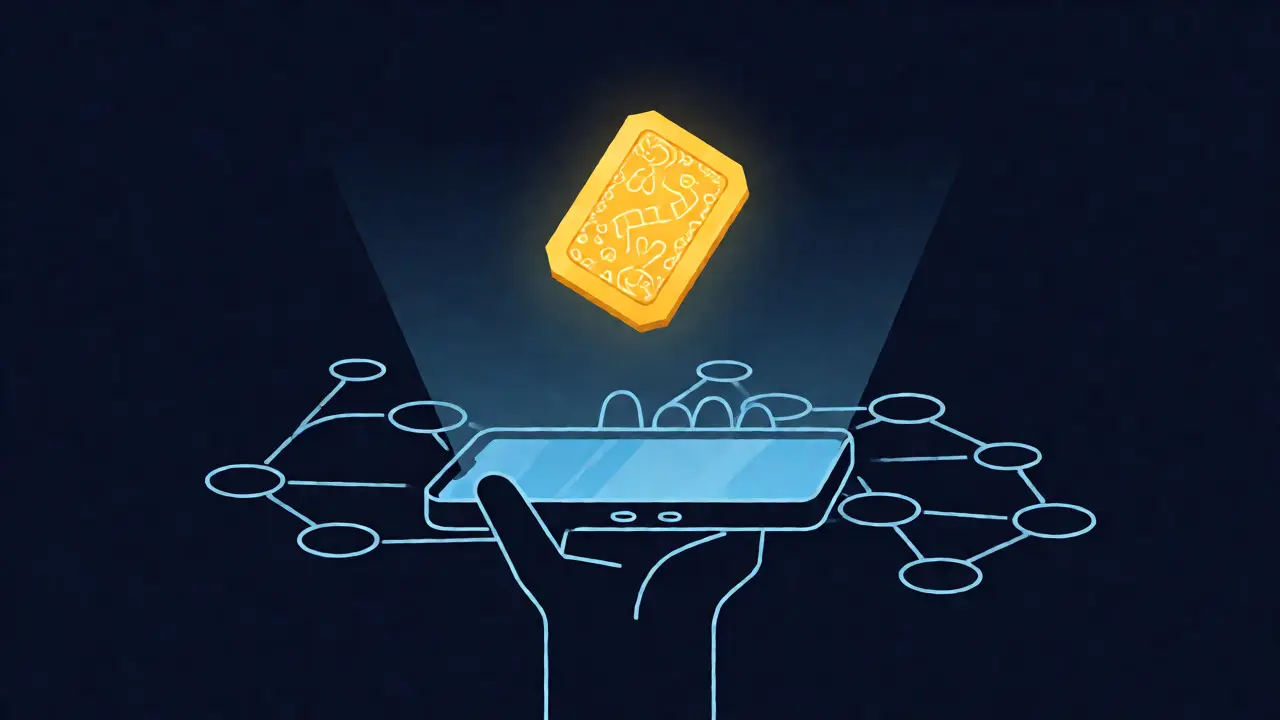
So, how does this engage fans? It starts before they even enter the venue. Because the organizer holds the wallet address of every ticket holder, they can send direct messages or assets-known as airdrops-straight to the fan’s digital wallet.
Let’s look at a real-world scenario. You buy a ticket to a music festival. Two weeks before the event, you receive a notification in your wallet. It’s a free, limited-edition NFT poster designed by the headlining artist. You didn’t have to sign up for a newsletter; you just had to own the ticket. This builds immediate anticipation and goodwill.
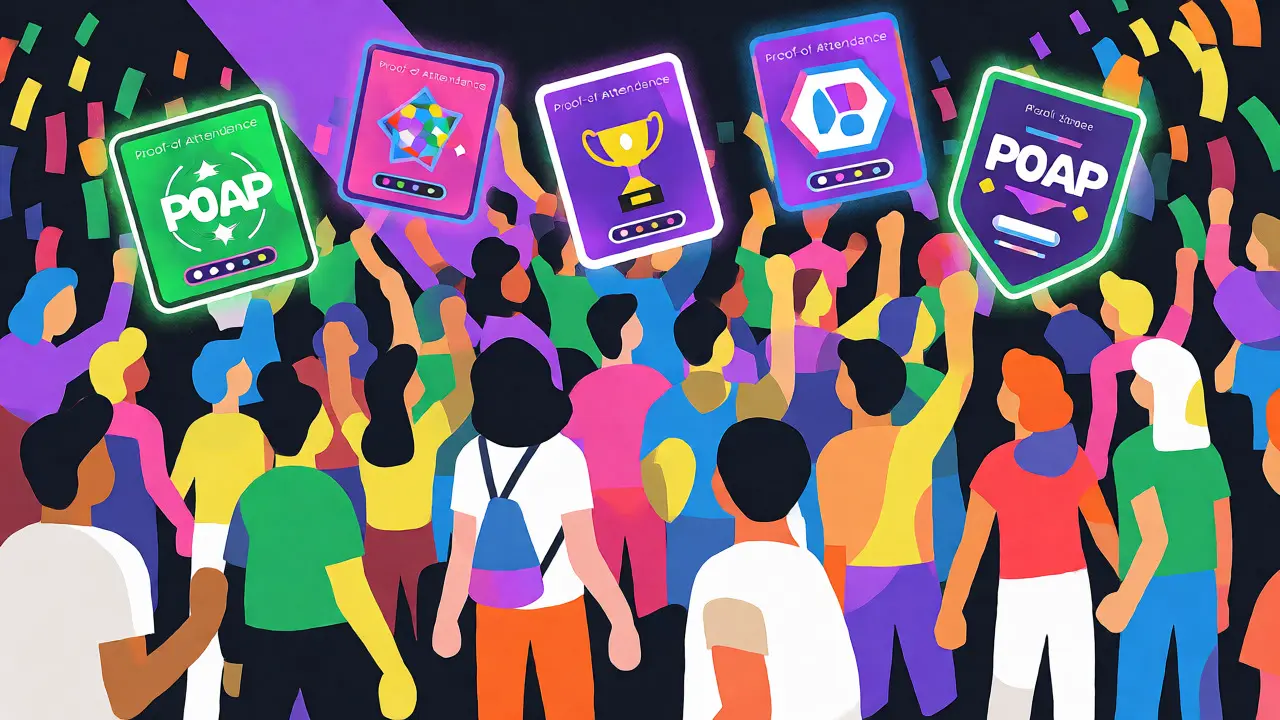
During the event, the possibilities expand. Some artists use Proof-of-Attendance Protocols (POAPs). These are small, often free NFT badges given to attendees who scan a QR code at specific booths or stages. Why would anyone want a badge? Because it unlocks things:
- Exclusive Merch Drops: Only POAP holders can buy the special edition t-shirt.
- VIP Upgrades: Holding three POAPs from past events might grant priority seating next year.
- Community Governance: Long-time attendees get a vote on future lineup choices.
This transforms the attendee from a passive consumer into an active member of a club. The ticket isn’t just for today; it’s a membership card for tomorrow.
Collectibility and Emotional Connection
People love collecting things. Think of baseball cards, vintage posters, or signed jerseys. NFT tickets tap into this psychological drive. Unlike a paper stub that fades, an NFT ticket is permanent and displayable. Fans can show off their collection in digital galleries or virtual spaces like Decentraland.
For organizers, this creates a new revenue stream called "digital memorabilia." Instead of giving away the ticket art for free, they can make the ticket itself a piece of digital art. Fans might hold onto a ticket from a historic match or a legendary concert not just for nostalgia, but because the artwork appreciates in value. If the artist becomes huge ten years later, that $50 ticket from their early days could be worth hundreds. This potential for appreciation keeps fans engaged long after the event concludes.
Consider the sports industry. Teams like the Sacramento Kings or various European football clubs have experimented with NFT tickets that include game highlights or player stats embedded in the token. After the game, you don’t throw the ticket away. You keep a digital trophy that proves you watched your team win the championship. That emotional anchor is powerful. It keeps the brand top-of-mind when it’s time to renew season passes.
Challenges to Overcome
It’s not all smooth sailing. Adoption faces hurdles, primarily technical literacy. Your average fan doesn’t care about gas fees, private keys, or MetaMask extensions. They just want to get into the show.
If you force a grandmother to set up a crypto wallet just to see Elton John, you’ll lose her business. Successful platforms hide the complexity. They allow users to buy tickets with credit cards and create wallets in the background without ever seeing a blockchain explorer. The user experience must remain seamless. If the tech feels like homework, engagement drops.
Another concern is environmental impact. Early blockchains consumed massive amounts of energy. However, newer networks like Polygon or Solana use far less power, making NFT tickets a greener alternative to printing millions of paper slips. Still, eco-conscious brands need to communicate this clearly to avoid backlash.
The Future Is Programmable
We are moving toward a world where every interaction is recorded and rewarded. NFT tickets are just the beginning. As the technology matures, expect to see deeper integration with social media and gaming. Imagine earning XP points for attending events, which level up your status in a fan ecosystem.
For event organizers, the takeaway is clear: stop selling entries. Start building communities. Use NFT tickets to bridge the gap between the physical event and the digital relationship. Give fans reasons to stay connected, reward their loyalty, and let them own a piece of the experience. The ticket is no longer a barrier to entry; it’s the first step in a lifelong conversation.
Do I need cryptocurrency to buy an NFT ticket?
Not necessarily. Many modern ticketing platforms integrate fiat currency payments (credit cards, PayPal) at checkout. The platform handles the conversion and mints the NFT in the background, so you don't need to manage crypto wallets manually unless you choose to transfer the ticket later.
What happens if I sell my NFT ticket?
When you sell an NFT ticket, ownership transfers instantly on the blockchain. The buyer receives the rights to enter the event. Additionally, if the smart contract includes a royalty clause, a percentage of the sale price goes back to the original issuer (the artist or organizer), ensuring they benefit from secondary market activity.
Are NFT tickets secure against counterfeiting?
Yes, extremely secure. Because each ticket is a unique token on a public ledger, it cannot be duplicated. Venue scanners verify the token's existence and ownership status on the blockchain in real-time, making traditional methods of forging tickets virtually impossible.
Can I keep the NFT ticket after the event?
Absolutely. In fact, that's the main point. Unlike paper tickets that are discarded, NFT tickets remain in your digital wallet indefinitely. They serve as digital collectibles and proof of attendance, often unlocking future perks or holding monetary value as part of your personal collection.
What is a POAP in the context of events?
A POAP (Proof-of-Attendance Protocol) is a free, limited-edition NFT issued to event attendees. It acts as a digital badge verifying you were present. Collectors often trade or hold POAPs to gain access to exclusive online communities, merchandise drops, or voting rights within fan organizations.