North Korean Crypto Sanctions: How Wallets Are Tracked and Funds Frozen
 Nov, 5 2026
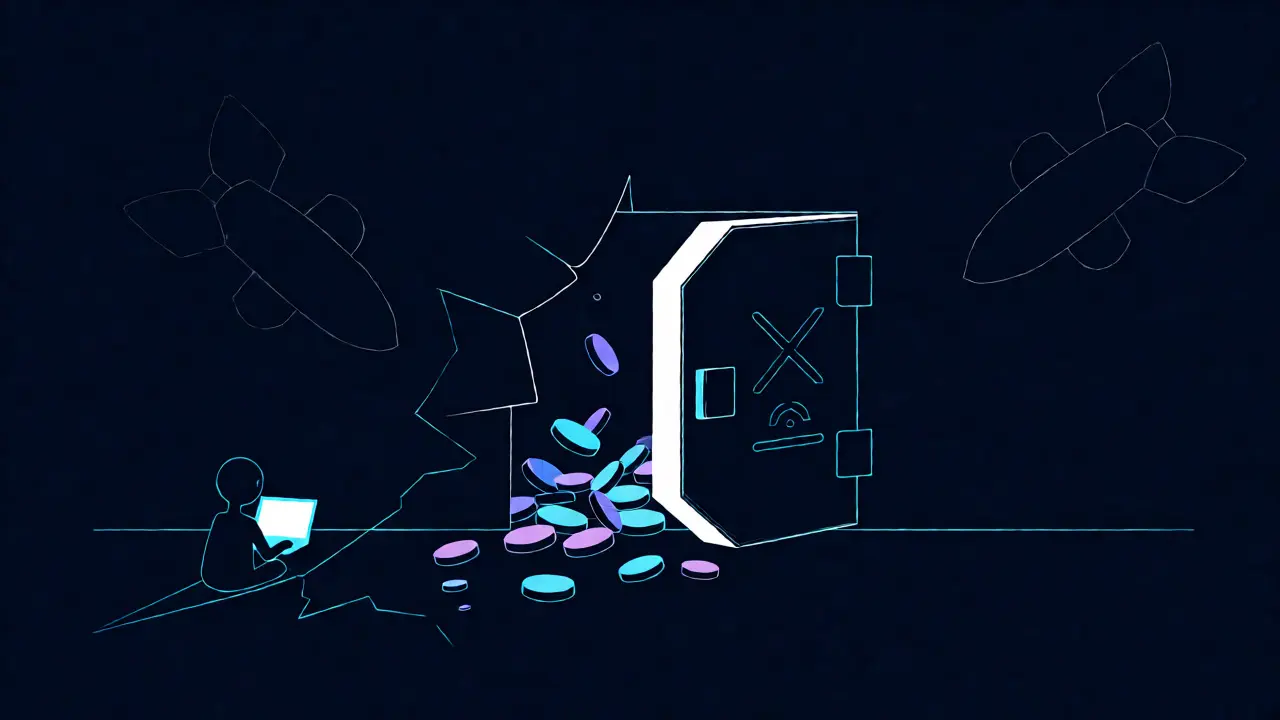
Imagine losing $1.46 billion in a single afternoon. That is exactly what happened to the crypto exchange Bybit in February 2025 when hackers drained its hot wallets. But this wasn't just some bored teenager with a script. It was a state-sponsored heist orchestrated by North Korea. If you are wondering why your favorite exchange suddenly froze your withdrawal or why compliance teams are sweating over specific blockchain addresses, it’s likely because of the escalating war between global regulators and Pyongyang’s digital thieves.
For years, we treated crypto theft as isolated incidents. Today, it is a critical funding mechanism for nuclear weapons programs. The international community, led by the US Treasury and allied nations, has shifted from passive observation to aggressive financial warfare. This article breaks down how North Korean crypto sanctions work, which wallet addresses are blacklisted, and why tracking these funds is harder than ever.
The Scale of Theft Has Exploded
Let’s look at the numbers, because they are staggering. According to blockchain analytics firm Elliptic, North Korean hacking groups stole over $2.03 billion in cryptocurrency during 2025 alone. This marks the largest annual total on record, even before the year ended. To put that in perspective, the previous record holder was 2022, where attacks on Ronin Network and Harmony Bridge netted about $1.35 billion. We are talking about nearly double the previous peak in just three years.
Cumulative losses since tracking began now exceed $6 billion. The United Nations and various government agencies confirm that this money doesn’t stay in crypto wallets. It flows directly into North Korea’s prohibited nuclear and missile development programs. When you hear "sanctions evasion," think of it as a pipeline: stolen digital assets are laundered through complex networks and converted into hard currency to buy missile components that traditional banks refuse to finance.
| Year | Estimated Stolen Amount (USD) | Key Incidents | Growth Factor vs Previous Record |
|---|---|---|---|
| 2022 | $1.35 Billion | Ronin Network, Harmony Bridge | Baseline Record |
| 2024 | $712 Million | Various DeFi protocols | -47% (Dip) |
| 2025 | $2.03 Billion+ | Bybit ($1.46B), LND.fi, WOO X | +50% vs 2022 Peak |
Who Is Actually Doing the Hacking?
You might assume a small team of coders in Pyongyang runs this show. Wrong. The Multilateral Sanctions Monitoring Team (MSMT), an 11-nation coalition established to monitor UN Security Council resolutions, released a report in October 2025 detailing North Korea’s "full-spectrum" cyber program. They assert that the regime’s cyber capabilities now rival those of China and Russia. This isn't opportunistic crime; it is industrialized theft.
The MSMT identified specific entities involved in laundering these funds. On July 24, 2025, the U.S. Department of the Treasury’s Office of Foreign Assets Control (OFAC) sanctioned several key players, including Vitaliy Sergeyevich Andreyev, Kim Ung Sun, Shenyang Geumpungri Network Technology Co., Ltd, and Korea Sinjin Trading Corporation. These aren't just random names; they are part of a fraudulent IT worker scheme. North Korea sends developers abroad under false pretenses, who then steal data and demand ransom, effectively blending cybercrime with labor exploitation.
Under Secretary of the Treasury John K. Hurley stated clearly that the regime targets American businesses through these fraud schemes. The goal? To bypass traditional banking restrictions. By using overseas IT workers and direct crypto theft, North Korea generates revenue outside the SWIFT network, making it invisible to standard correspondent bank checks until the money hits a regulated exchange.
How Sanctioned Wallet Addresses Work
This is where it gets technical for most users. A sanctioned wallet address is a unique string of alphanumeric characters on a blockchain that OFAC has officially designated as belonging to a sanctioned entity. If your crypto interacts with one of these addresses, you risk having your own funds frozen.
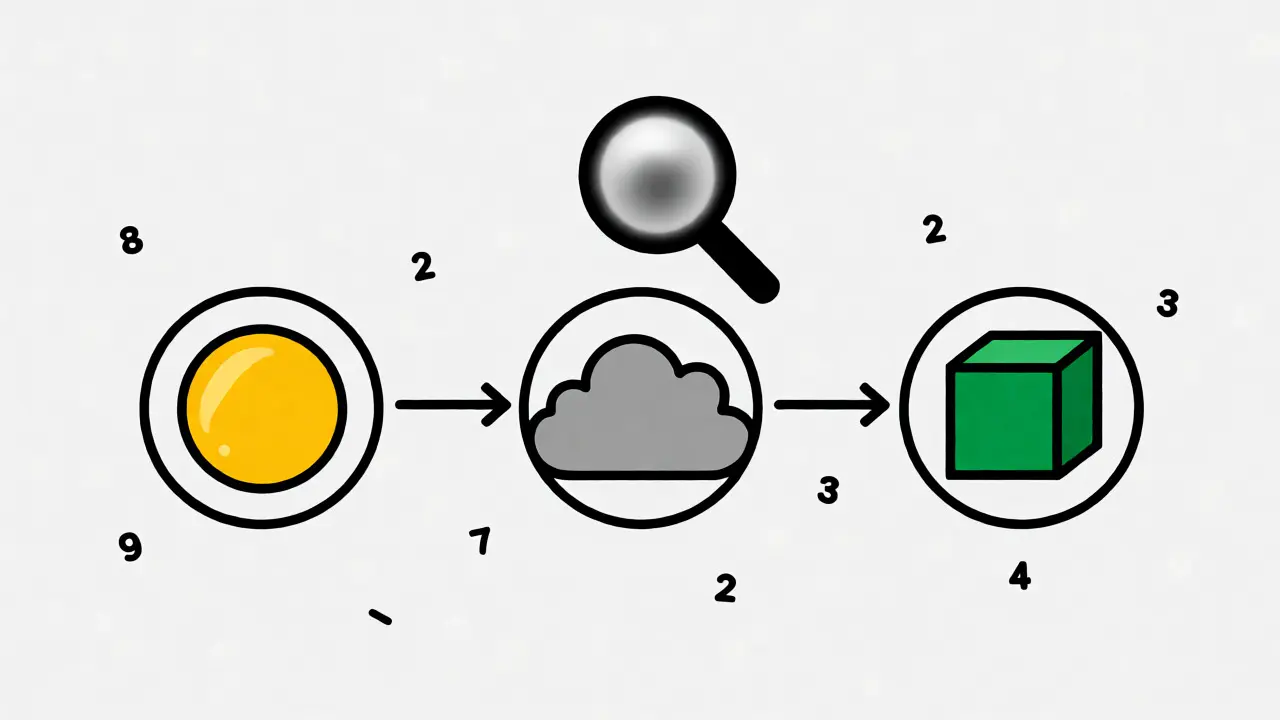
But here is the catch: North Korea doesn’t use one static wallet. They employ sophisticated laundering techniques involving:
- Mixing Services: Blending stolen coins with thousands of legitimate transactions to obscure the trail.
- Cross-Chain Swaps: Moving assets from Ethereum to Solana or Bitcoin to hide the origin.
- Privacy Coins: Converting transparent assets like ETH into Monero (XMR) or Zcash (ZEC) to break the audit trail.
Financial institutions use advanced blockchain monitoring tools to screen transactions against known DPRK-associated clusters. However, attribution is difficult. Elliptic notes that while they attributed over thirty hacks to North Korean actors in 2025, many other thefts share similar hallmarks but lack definitive proof. This means the actual figure could be higher, and new wallet addresses are constantly being generated faster than regulators can blacklist them.
The Role of IT Workers and Fraud Schemes
It’s not just about brute-force hacking. A significant portion of North Korea’s revenue comes from "IT worker fraud." The MSMT report highlights that foreign currency earnings from these workers are a primary component of sanctions evasion. Imagine hiring a remote developer who turns out to be a spy working for the state. They gain access to internal systems, steal proprietary data, and sometimes lock files for ransom.
In July 2025, the US, Japan, and South Korea issued a joint statement specifically addressing threats posed by DPRK IT workers. They offered rewards of up to $15 million for information leading to the disruption of these operations. This signals a shift from merely punishing theft to actively dismantling the human infrastructure supporting it. For companies, this means stricter vetting of remote hires is no longer optional-it’s a compliance requirement.
Why Attribution Is So Hard
If the money is on the blockchain, why can’t we just follow it? Because North Korea uses a technique called "chain hopping." After stealing assets, hackers move funds across multiple blockchains within minutes. They might swap ETH for DAI, bridge it to Polygon, swap for MATIC, and then convert to BTC. Each step adds noise.
Furthermore, exchanges often cooperate with law enforcement only after a significant loss. By then, the funds may have been converted to fiat currency via peer-to-peer trades in countries with lax anti-money laundering laws. The University of Hawai'i at West O'ahu noted in their executive summary that these activities cause "significant monetary and reputational damage" across the industry. The reputation hit matters because if users fear their withdrawals will be flagged due to proximity to a tainted wallet, they leave the platform.
What This Means for You
If you hold cryptocurrency, you need to understand two things:
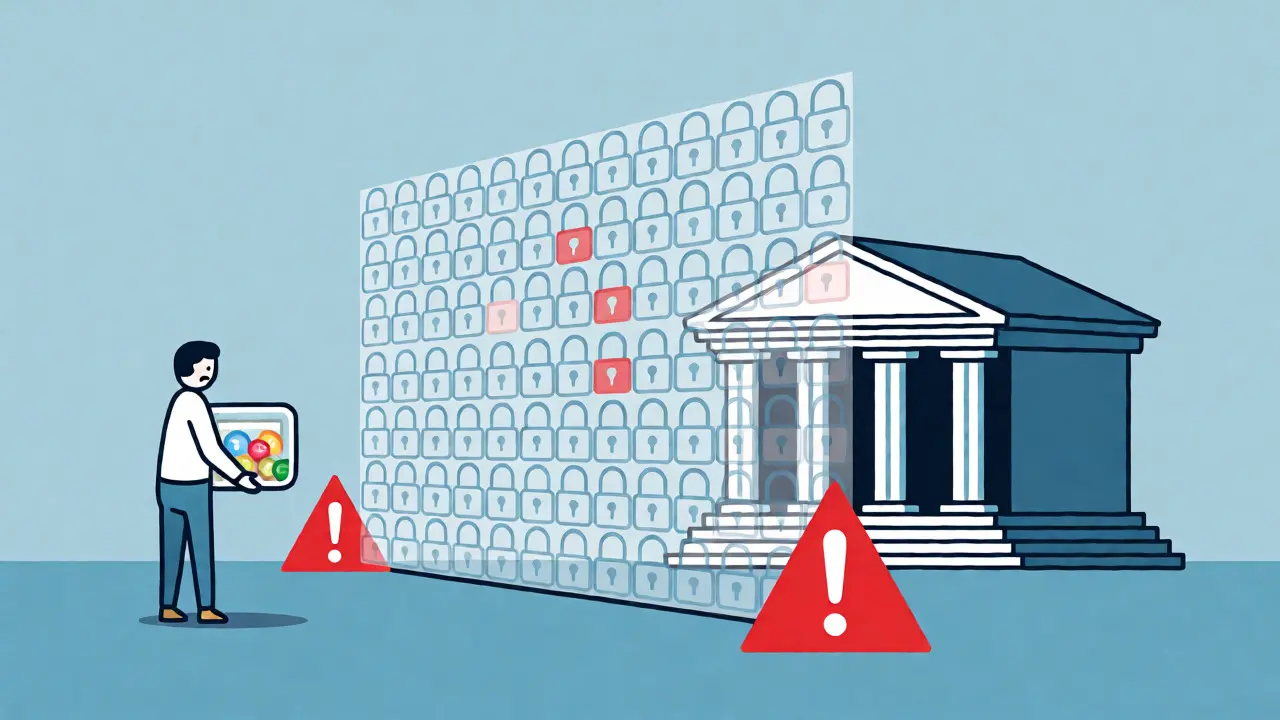
- Proximity Risk: If you send funds to an address that later gets sanctioned, your transaction history becomes "tainted." Exchanges may freeze your account pending investigation.
- Compliance Fatigue: Expect more KYC (Know Your Customer) requests. As regulators tighten the net around North Korean flows, compliant exchanges must prove they aren’t processing illicit funds.
Don’t panic, but do pay attention. Major exchanges now implement real-time screening against known DPRK wallet clusters. If you are trading large volumes, consider using privacy-preserving tools carefully, though note that excessive obfuscation can itself trigger compliance alerts.
What happens if I accidentally send crypto to a sanctioned North Korean wallet?
If you send funds to a wallet that OFAC later sanctions, your transaction is considered "tainted." While the funds are already gone, the receiving address is flagged. More importantly, if you receive funds from such an address, your own wallet may be restricted. Most major exchanges will freeze accounts associated with tainted inputs until the source is verified or cleared by compliance teams.
Can North Korea still use crypto if all major exchanges ban them?
Yes. They utilize decentralized exchanges (DEXs), cross-chain bridges, and privacy coins to move value without touching centralized platforms. Additionally, they rely heavily on IT worker salaries paid in stablecoins, which are less scrutinized than large institutional transfers. The ban stops easy cash-out routes, but it doesn't stop the movement of value entirely.
How do authorities identify North Korean wallets?
Authorities use blockchain analytics firms like Elliptic and Chainalysis. These firms track patterns: rapid movement across chains, interaction with known mixers, and clustering of addresses funded by initial hacks. Intelligence sources also provide metadata, such as IP logs from hacked servers, which help link digital addresses to physical operators in North Korea.
Is there a reward for reporting North Korean crypto activity?
Yes. The U.S. Department of State offers rewards of up to $15 million for information leading to the disruption of North Korea's revenue generation schemes, including cryptocurrency theft and illicit IT work. This incentivizes whistleblowers within the network of intermediaries and service providers used by the regime.
Did the Bybit hack really fund nuclear missiles?
According to the Multilateral Sanctions Monitoring Team and UN reports, yes. The estimated $2.8 billion stolen specifically for the nuclear arms program includes proceeds from major hacks like Bybit. While exact allocation is opaque, intelligence assessments consistently link these inflows to procurement of missile technology and materials unavailable through normal trade channels.
Next Steps for Investors and Businesses
Stay ahead of the curve. If you run a business accepting crypto, integrate automated screening tools that update daily with new OFAC designations. Don't wait for a subpoena to check your exposure. For individual investors, diversify your custody strategy. Keeping large sums on centralized exchanges exposes you to sudden freezes if a counterparty is linked to DPRK activity. Consider hardware wallets for long-term holdings, but remember: if you interact with a tainted address, moving off-exchange doesn't erase the history.
The cat-and-mouse game is intensifying. With 2025 setting records, expect 2026 to bring even more aggressive targeting of DeFi protocols and cross-chain bridges. The days of anonymous, unregulated crypto wealth are fading, replaced by a landscape where provenance matters as much as price.