Position Exchange Times Square Airdrop: Is It Real or a Scam?
 May, 28 2026
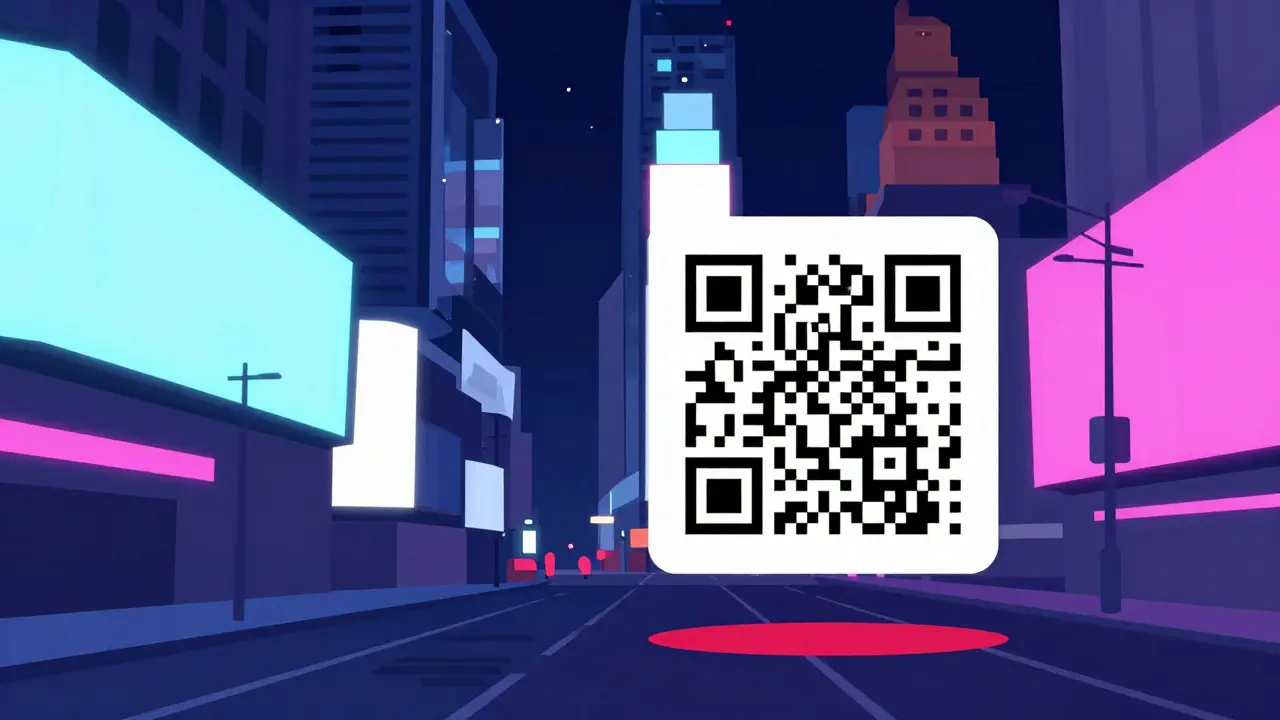
You’ve probably seen the posts. A flashy image of Times Square, the bustling commercial hub in New York City known for its massive digital billboards and high foot traffic featuring a logo you might recognize-or one that looks familiar. The caption promises free tokens from Position Exchange, a cryptocurrency platform claiming to offer trading services and token distributions. It tells you to scan a QR code or click a link to claim your "airdrop." It feels exciting. It feels like easy money. But before you type in your wallet seed phrase, stop. Take a breath. This isn’t luck; it’s likely a trap.
As of May 2026, there is zero credible evidence that Position Exchange has ever run a legitimate billboard campaign in New York, let alone distributed tokens through it. In fact, major cybersecurity firms and regulatory bodies have flagged this specific narrative as a coordinated fraud operation. If you are looking for details on how to claim these tokens, the most important detail you need to know is this: do not engage. Here is exactly what is happening behind the scenes, why this scam works so well, and how you can protect your assets.
The Anatomy of the Billboard Illusion
Why does this scam use a billboard? Because images lie easier than text. Creating a fake photo of a billboard in Times Square takes about ten minutes in Photoshop. You don’t need to actually rent the space-which costs anywhere from $55,000 to over $500,000 per day depending on the screen size and exclusivity rights. You just need to make it look convincing enough to trigger FOMO (Fear Of Missing Out).
Fraudsters post these manipulated images on social media platforms like TikTok, Instagram, and X (formerly Twitter). They use hashtags like #CryptoAirdrop, #FreeTokens, and #NYC to boost visibility. The image usually features a prominent QR code or a URL. When users scan that code, they aren’t connecting to a secure blockchain distribution network. They are being redirected to a phishing site designed to look like a legitimate exchange login page.
The goal is simple: harvest your private keys or seed phrases. Once you enter those twelve or twenty-four words into their form, your wallet is compromised. The scammers drain your funds instantly, often routing them through mixing services like Tornado Cash to obscure the trail. This isn’t a new tactic, but the branding changes frequently to avoid detection. Position Exchange is just the current face of an old problem.
Technical Impossibility: Why Billboards Can't Distribute Tokens
Let’s talk tech for a second. How would a physical billboard possibly distribute digital assets? It can’t. There is no technological bridge between a static or video display screen and your personal cryptocurrency wallet without active user input via a separate device.
Digital signage in Times Square typically runs on hardware from manufacturers like Daktronics or Watchfire. These screens are connected to content management systems that push video feeds. They do not have NFC (Near Field Communication), Bluetooth pairing capabilities, or direct internet connectivity to interact with blockchain networks. Even if they did, broadcasting a transaction requires a signed message from a private key. A billboard cannot sign transactions. It can only display information.
Legitimate airdrops require you to connect a wallet like MetaMask or Trust Wallet to a dApp (decentralized application) website. The process involves verifying ownership of certain tokens or completing tasks on-chain. A billboard cannot verify your identity, check your balance, or send tokens to your address. Any claim suggesting otherwise ignores basic computer science principles. As Dr. Sarah Chen, Director of the NYU Cybersecurity Lab, noted in late 2025, promising to mail cash through a television screen is technically absurd-and that’s exactly what this scam proposes.
Red Flags That Signal a Fraud
If you encounter any project claiming a billboard-based airdrop, check it against this list of warning signs. If even one applies, walk away.
- No Official Verification: Check the official website of the exchange. Does it mention the event? For Position Exchange, the domain position.exchange resolved to a parked page as of late 2025, indicating no active business operations.
- Social Media Only: Legitimate campaigns are announced on official channels first, then amplified by influencers. Scams start on random social accounts with little history or verification badges.
- Urgency Tactics: Phrases like "Claim now before it expires" or "Limited slots available" are designed to bypass your critical thinking. Real airdrops have clear timelines and public smart contract addresses.
- QR Code Dependency: While QR codes are convenient, relying solely on a QR code from an unverified source is dangerous. Always manually type URLs and verify SSL certificates.
- Request for Seed Phrases: No legitimate service will ever ask for your seed phrase. Period. If a site asks for it, close the tab immediately.
The Scale of the Damage
This isn’t just theoretical. The financial impact of these scams is significant. According to reports from Chainalysis in November 2025, a variant of this specific billboard scam resulted in over $2.3 million in Ethereum losses within a single month. The Blockchain Transparency Institute documented 142 similar incidents in Q4 2023 alone, with victims losing an average of $1,850 each.
Community sentiment analysis from LunarCrush showed that over 92% of mentions regarding "Position Exchange" were negative, with thousands of scam reports filed across Reddit and Crypto Twitter. Security researchers like ZachXBT have publicly shared wallet addresses linked to these drains, showing rapid movement of stolen funds to obfuscation tools.
The New York Attorney General’s office opened investigation #2025-SC-8841 into this scheme, recognizing the pattern of using iconic landmarks to lend false credibility to fraudulent operations. The Federal Trade Commission has also issued warnings about "billboard airdrop scams," highlighting how easily manipulated media can deceive even experienced crypto users.
How to Verify Legitimate Airdrops
Not all airdrops are scams. Many reputable projects use them to distribute governance tokens or reward early community members. However, legitimate airdrops follow strict protocols. Here is how you can distinguish real opportunities from fakes:
- Check the Contract Address: Every token has a unique address on the blockchain. Look up the token on Etherscan or BscScan. Does the contract match what the project claims? Is it verified?
- Review the Whitepaper: Legitimate projects publish detailed documentation outlining their technology, team, and roadmap. Vague promises without technical substance are a red flag.
- Community Presence: Join the official Discord or Telegram. Are the moderators active? Do they answer technical questions? Or is the chat filled with bots spamming links?
- Third-Party Audits: Reputable projects hire firms like CertiK or SlowMist to audit their smart contracts. Look for these audit reports on their website.
- No Private Key Requests: Again, never share your seed phrase. Use a burner wallet for interacting with unknown dApps to limit potential exposure.
What To Do If You’ve Already Clicked
If you scanned the QR code or visited the link, act fast. First, disconnect your wallet from the site. Most wallets allow you to revoke permissions. Go to Revoke.cash or use your wallet’s built-in security features to remove access granted to the suspicious domain.
If you entered your seed phrase, assume your wallet is compromised. Move any remaining funds to a new wallet generated from a fresh seed phrase. Never reuse a compromised seed phrase. Monitor your original wallet for unusual activity, but do not store value in it anymore.
Report the incident. File a complaint with the FTC and your local consumer protection agency. Share the scammer’s wallet addresses with security researchers on social media to help warn others. While you may not recover your funds, reporting helps law enforcement build cases against these operators.
The Reality of Times Square Advertising
To understand why this scam is so effective, you have to appreciate the power of the location. Times Square generates over 1.9 million daily impressions according to industry data. Brands like Disney, Coca-Cola, and major tech companies spend millions to be seen there. It represents prestige, success, and mainstream acceptance.
Crypto companies have used this space legitimately. Coinbase ran an $8 million Super Bowl ad in 2022. Binance and Crypto.com have purchased billboard space for brand awareness. But notice the difference: these were marketing campaigns for established brands with clear regulatory compliance. They did not promise free money via QR codes. They invited users to download apps and learn about trading. The intent was education and acquisition, not immediate extraction of private keys.
The contrast is stark. Legitimate advertisers respect the medium and the audience. Scammers exploit the association with legitimacy to lower your defenses. By mimicking the visual language of high-end advertising, they create a false sense of trust. Recognizing this manipulation is your best defense.
Is Position Exchange a legitimate cryptocurrency platform?
No. As of May 2026, Position Exchange shows no signs of legitimate operation. Its domain is parked, there are no regulatory filings with the SEC or CFTC, and cybersecurity experts have identified it as part of a coordinated scam ring targeting crypto users.
Can billboards really distribute crypto tokens?
No. Billboards are passive display devices. They lack the necessary technology to interact with blockchain networks or wallets. Any claim that a billboard can directly send tokens to your wallet is technically impossible and indicates a scam.
What should I do if I clicked a link from a fake billboard post?
Immediately disconnect your wallet from the site using tools like Revoke.cash. If you entered your seed phrase, move your funds to a new wallet with a fresh seed phrase. Report the incident to the FTC and share the scammer's details with security communities.
How much does it cost to rent a billboard in Times Square?
Costs vary widely, ranging from $55,000 per day for standard displays to over $500,000 for premium synchronized multi-screen campaigns. This high cost makes it unlikely for small or fraudulent projects to afford genuine ad space.
Are there any legitimate crypto airdrops currently?
Yes, many legitimate projects run airdrops. However, they always occur through official websites and verified smart contracts. They never require you to share your seed phrase or scan QR codes from unverified social media posts. Always verify the project's reputation and audit status before participating.