PSA Registration Requirements for Crypto Exchanges in Japan: A Practical Guide
 Nov, 17 2026
You want to launch a crypto exchange in Japan? Good luck. It’s not just about having a slick app or a cool token. You need to navigate one of the world's toughest regulatory mazes: the Payment Services Act (PSA). This isn't a suggestion box; it's a legal mandate with teeth. If you operate without proper registration, you aren't just risking a fine-you're looking at potential imprisonment.
Japan was one of the first countries to recognize cryptocurrency as legal property, but that openness comes with strings attached. The Financial Services Agency (FSA) doesn't play around. They demand strict compliance, massive capital reserves, and bulletproof security protocols. If you’re thinking of entering this market, you need to know exactly what the PSA requires before you spend your first yen on office rent.
Who Needs to Register?
First things first: who actually needs to register? Under Article 63-2 of the Amended PSA, any business engaging in the purchase and sale of crypto-assets must register as a Crypto-Asset Exchange Service Provider (CAESP). This applies whether you are selling Bitcoin directly to users or facilitating trades between them.
But here is where it gets tricky. Not every digital asset falls under the PSA. The law defines "Crypto Asset" specifically as payment mechanisms not denominated in fiat money. If your token looks like a security-meaning it promises profits based on the efforts of others-it might fall under the Financial Instruments and Exchange Act (FIEA) instead. That means different licenses, different rules, and usually, a lot more paperwork.
For most standard spot-trading platforms dealing with well-known tokens like Bitcoin or Ethereum, the PSA is your primary route. It provides a clear framework, even if that framework is demanding. If you drift into derivatives or security tokens, you’re stepping into FIEA territory, which raises the bar significantly.
The Corporate Structure Hurdle
You can’t just show up from abroad and start trading. The PSA has strict structural requirements. To register, you generally need to be a stock company (kabushiki-kaisha) established in Japan.
Foreign companies face an extra layer of complexity. While the law technically allows for branch offices, in practice, the FSA has never approved a foreign CAESP operating solely through a branch. Every major foreign exchange that has entered Japan-from Coinbase to Binance-has set up a local subsidiary. Why? Because the regulator wants a domestic entity with local directors who can be held accountable under Japanese law.
This means you need to incorporate locally. You’ll need registered representatives, a physical office, and a corporate structure that mirrors traditional financial institutions. It’s not a lightweight process. It requires significant upfront investment and a commitment to long-term presence in the market.
Capital and Financial Health Checks
Money talks, especially to the FSA. The minimum capital requirement for a CAESP is JPY 10 million (roughly USD 65,000-70,000 depending on exchange rates). But don’t let that number fool you. Having 10 million yen in the bank isn’t enough. You must maintain positive net assets throughout your operation.
The regulator scrutinizes your financial health closely. They want to ensure you have enough liquidity to cover operational costs and potential liabilities. If your net assets dip below zero, you could lose your license. This isn't just about startup capital; it's about ongoing financial stability. You need robust accounting systems that prove you can weather market volatility without collapsing.
| Requirement Category | Specific Requirement | Notes |
|---|---|---|
| Legal Entity | Kabushiki-kaisha (Stock Company) | Branches rarely approved for foreign entities |
| Minimum Capital | JPY 10 Million | Must maintain positive net assets continuously |
| Net Assets | Positive Minimum Net Assets | Failure to maintain can lead to revocation |
| Internal Systems | Compliance & Risk Management | Must demonstrate adequate organizational structure |
The Cold Wallet Mandate
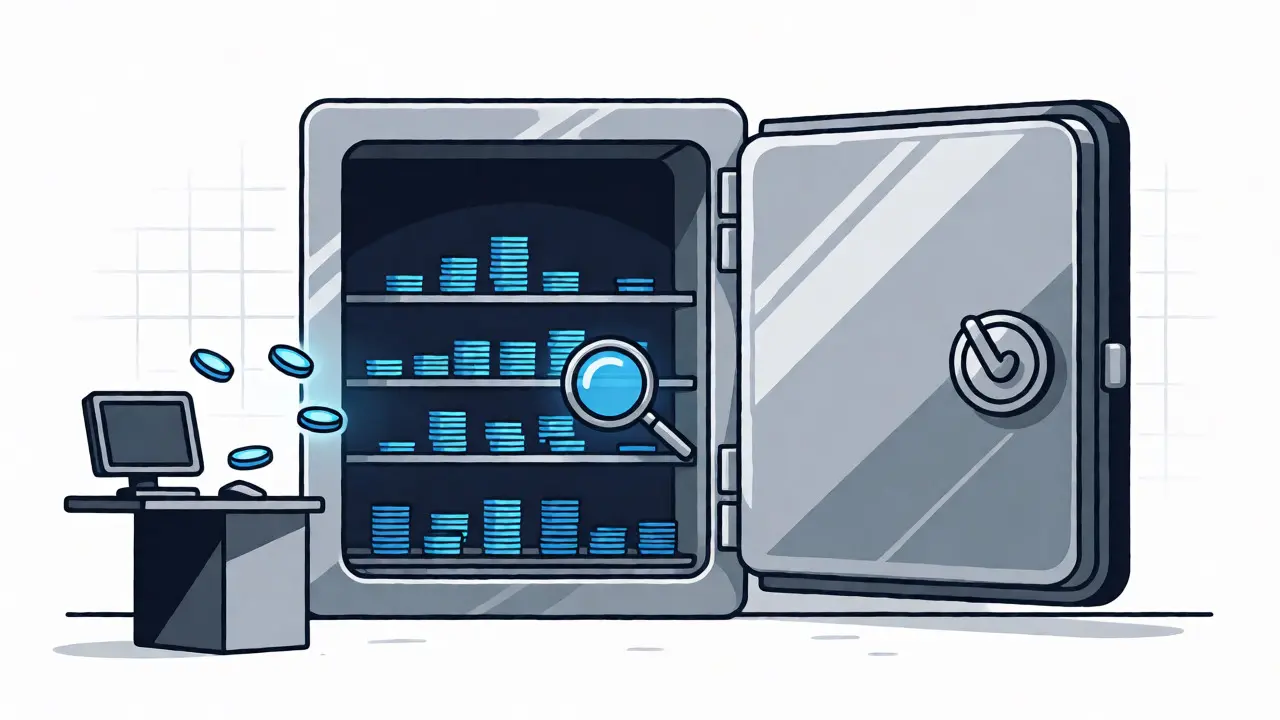
If there is one rule that defines Japanese crypto regulation, it’s security. After the Mt. Gox collapse, regulators became obsessed with protecting user funds. The PSA mandates that at least 95% of customer crypto assets must be stored in offline cold wallets.
This isn't optional. You cannot keep all your users' Bitcoin on a hot wallet connected to the internet. You need a segregation strategy that physically isolates the majority of assets from online threats. The remaining 5% can be in hot wallets for liquidity, but the bulk must be offline.
Furthermore, you must completely segregate customer funds from your own company funds. Your operating cash cannot mix with user deposits. If your exchange goes bankrupt, user assets should remain untouched. This ring-fencing is critical. The FSA will audit your custody arrangements rigorously. If they find commingled funds, you’re in trouble.
The Application Process and Timeline
How long does this take? Expect six months for the application review alone. And that’s after you’ve prepared everything. In reality, setting up the infrastructure, hiring compliance staff, and drafting documentation can take a year or more.
Your application package must include:
- Detailed trade name and address.
- Proof of capital amount and director names.
- A list of specific crypto assets you intend to handle.
- Comprehensive descriptions of service provision methods.
- Details on any outsourcing arrangements.
- Thorough explanations of how you segregate user assets.
The FSA reviews these documents meticulously. They look for clarity, consistency, and proof that your internal systems work. Vague answers get rejected. You need to show that your compliance team knows exactly how they will monitor transactions, report suspicious activity, and manage risks.
Ongoing Compliance and Penalties
Getting the license is just the beginning. Once you’re registered, the FSA keeps watching. They conduct regular inspections to ensure you’re still complying with PSA rules. You also need to work with self-regulatory organizations like the Japan Virtual Currency Exchange Association (JVCEA).
Marketing is heavily regulated too. You can’t promise quick riches. Ads must be transparent, avoiding glossy promises of easy profits. If you mislead consumers, you face administrative orders or fines.
What happens if you fail? Operating without registration is a criminal offense. Penalties include up to three years in prison or fines up to JPY 3 million. Note that recent amendments to the Penal Code may replace imprisonment with "confinement punishment," but the severity remains high. The goal is deterrence. The FSA wants only serious, well-capitalized players in the market.
Why Bother With Japan?
With all these hurdles, why do exchanges bother? Because Japan offers certainty. Unlike some jurisdictions where regulations change overnight, Japan’s framework is stable. Cryptocurrencies are legally recognized as property. There are no bans on ownership or investment. This clarity attracts institutional investors and retail users who trust the system.
Moreover, being FSA-registered gives you credibility. Users know their funds are protected by strict segregation rules. Banks are more willing to open accounts for registered exchanges because the regulatory risk is lower. It’s a barrier to entry, yes, but it’s also a moat that protects those who make it across.
Can a foreign company operate a crypto exchange in Japan without a local subsidiary?
While the Payment Services Act technically allows for branch registrations, the Financial Services Agency (FSA) has historically required foreign entities to establish a local subsidiary (kabushiki-kaisha). No foreign CAESP has successfully operated solely through a branch to date, so establishing a subsidiary is the practical standard.
What is the minimum capital required for PSA registration?
The minimum capital requirement is JPY 10 million. However, applicants must also maintain positive minimum net assets throughout their operations. Simply meeting the initial capital threshold is not enough; ongoing financial health is strictly monitored by the FSA.
How much of user assets must be kept in cold storage?
Japanese regulations mandate that at least 95% of customer crypto assets must be stored in offline cold wallets. This rule is designed to protect users from hacking incidents and ensures that the majority of funds are isolated from online vulnerabilities.
What happens if I operate without PSA registration?
Operating without registration is a criminal offense under the Payment Services Act. Penalties can include imprisonment for up to three years and/or fines up to JPY 3 million. Recent legal updates may substitute imprisonment with confinement punishment, but the consequences remain severe.
Do all crypto tokens fall under the PSA?
No. Tokens with investment-like features, such as security tokens, often fall under the Financial Instruments and Exchange Act (FIEA) rather than the PSA. The PSA primarily covers crypto-assets used as payment mechanisms. Determining the correct classification is a critical step in the registration process.