SIL Finance (SIL) Airdrop Guide: How to Claim & Token Risks in 2026
 Jun, 23 2026
It is June 2023. Wait, no-it’s June 2026. If you are reading this, you likely saw a notification or a forum post about the SIL Finance decentralized finance project aiming to simplify yield farming through automated strategies. You want the free tokens. We all do. But before you connect your wallet and sign that transaction, we need to talk about what SIL actually is, why the data looks weird, and whether this "airdrop" is a golden ticket or a trap.
The short answer? Proceed with extreme caution. The information surrounding SIL Finance is fragmented, contradictory, and largely silent on active development. This guide breaks down exactly what you know, what you don’t, and how to protect your assets while hunting for these potential rewards.
What Is SIL Finance?
To understand if an airdrop is worth your time, you first need to understand the product. SIL Finance, often referred to by its ticker SIL, positions itself as a financial gathering service. Its full name, somewhat surprisingly, stands for "Sister In Law." While the name might raise eyebrows, the technical premise is standard for the DeFi space: it aims to bridge established yield farming protocols like Yearn.finance (YFI) and YFII.
The core promise is automation. Instead of manually moving funds between different pools to chase the highest annual percentage rate (APR), SIL claims to automatically select and configure products based on three factors:
- Annualized Rate of Return: Maximizing profit potential.
- Safety Factor: Assessing the risk of smart contract failures or impermanent loss.
- Financial Management Cycle: Optimizing the timing of deposits and withdrawals.
In theory, this makes complex liquidity mining accessible to beginners. In practice, the execution matters more than the idea. And here is where things get tricky.
The Airdrop Situation: What Do We Know?
You clicked this title because you want details on the SIL Finance airdrop. Let’s look at the hard facts available as of mid-2026.
Data from late 2025 indicates that Bitget, a major cryptocurrency exchange, mentioned opportunities to "receive free SIL Finance airdrops by joining ongoing challenges and promotions." This suggests the distribution method isn't a simple "snapshot and claim" but rather tied to user activity or specific promotional events hosted on partner platforms.
However, there is a glaring lack of transparency regarding:
- Eligibility Criteria: Who qualifies? Is it based on past transactions, social media follows, or holding other tokens?
- Distribution Schedule: When will tokens be sent? Is there a TGE (Token Generation Event) date confirmed?
- Airdrop Amounts: How many SIL tokens per user? Without this, you cannot calculate the potential value.
This ambiguity is a red flag. Legitimate DeFi projects usually publish clear tokenomics and distribution schedules on their official documentation sites. The silence here is loud.
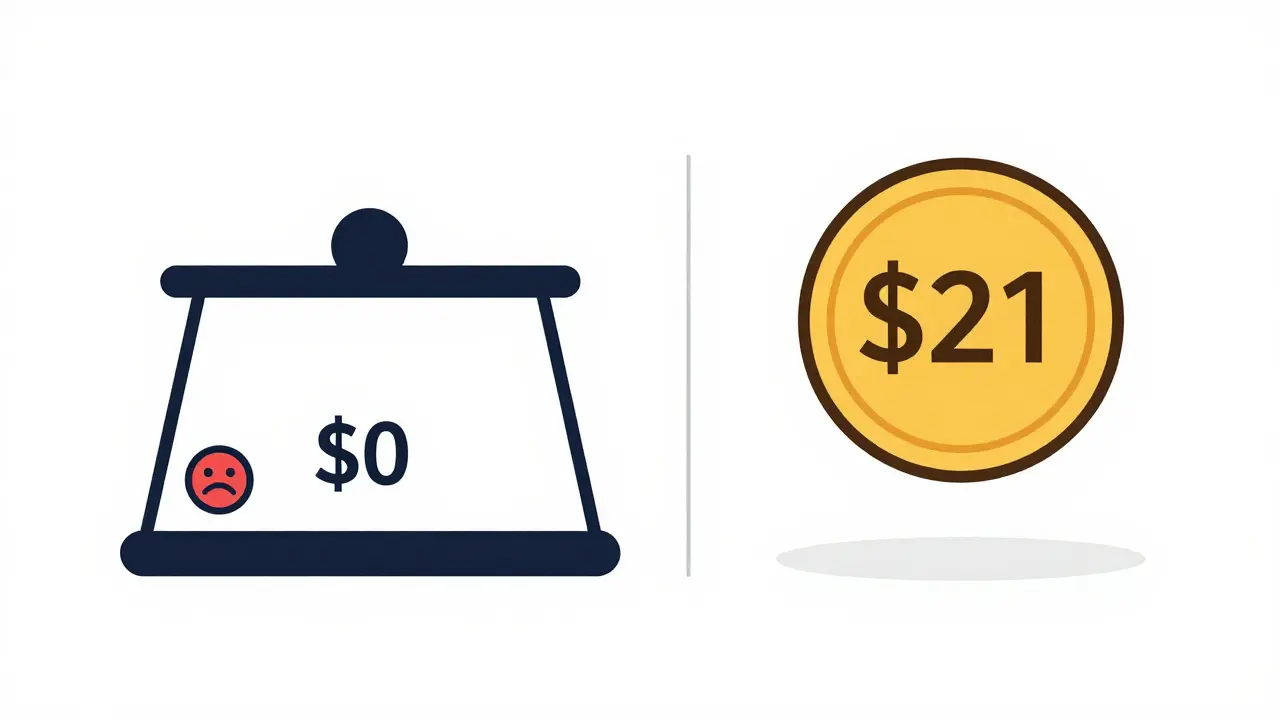
The Price Discrepancy: $0 vs. $21
If you try to value the airdrop right now, you will hit a wall. The market data for SIL is deeply confusing, which is a major warning sign for any investor.
| Platform | Reported Price | Market Cap | 24h Volume | Status Implication |
|---|---|---|---|---|
| CoinMarketCap / Bitget | $0.00 | $0.00 | $0.00 | No active trading; potentially delisted or dormant. |
| Crypto.com | $21.01 | N/A | N/A | Potential data error, illiquid pool, or manipulated listing. |
Why does this matter? If CoinMarketCap shows zero volume and zero market cap, it means there is no real liquidity. You cannot sell the tokens even if you receive them. Meanwhile, a $21 price on Crypto.com with no volume data is likely a stale quote or a result of a single, tiny trade that skewed the average. Never trust a price without volume. It’s like judging a restaurant’s quality by one review from a friend who was paid to eat there.
Smart Contract and Security Risks
The SIL token operates on the Ethereum mainnet. The smart contract address is listed as 0x133B...FF3a13C. Before interacting with this contract-whether to claim an airdrop or check your balance-you must verify it yourself.
Here is the critical step most people skip: Do not click links from Telegram groups or Twitter DMs. Go directly to a reputable blockchain explorer like Etherscan. Paste the contract address and check:
- Verified Source Code: Is the code open for audit? If not, you are trusting strangers with your keys.
- Holders Distribution: Does one wallet hold 90% of the supply? If so, they can dump on you instantly.
- Transfer Taxes: Some malicious contracts charge high fees on transfers, trapping your airdropped tokens.
Given the lack of recent updates and the conflicting market data, the risk profile of SIL Finance is extremely high. It falls into the category of "dormant" or "zombie" projects-protocols that launched with hype but failed to maintain community interest or development momentum.
Confusion with Other Projects
Another reason to pause is the naming collision. In the crypto world, similar names lead to lost funds. Make sure you are not confusing SIL Finance with:
- Silo Finance (SILO): A separate lending protocol that has conducted significant airdrops in the past. SILO is a well-established project with transparent governance.
- SilkAI (SILK): An AI-focused project that distributed millions of tokens. Completely unrelated to DeFi yield farming.
Mistaking one for the other could lead you to interact with the wrong contract, resulting in permanent loss of assets. Always double-check the ticker symbol and the official website URL.

How to Safely Participate (If You Choose To)
If you have done your due diligence and still decide to pursue the SIL Finance airdrop, follow these strict safety protocols:
- Use a Burner Wallet: Never connect your main wallet (the one holding your life savings) to unknown or low-liquidity dApps. Use a secondary MetaMask or Rabby wallet with only a small amount of ETH for gas fees.
- Verify Official Channels: Find the official Discord or Telegram from the project’s verified website. Do not trust links from random influencers.
- Check for Revoked Approvals: After interacting, use a tool like Revoke.cash to ensure the contract doesn’t have unlimited spending access to your other tokens.
- Monitor Gas Fees: Since SIL is on Ethereum, claiming an airdrop costs gas. If the gas fee is higher than the potential value of the tokens (which is currently questionable given the $0 volume), it is not economically viable.
Is SIL Finance Worth Your Time in 2026?
Let’s be direct. The DeFi landscape in 2026 is mature. Users expect transparency, active development, and secure audits. SIL Finance, based on available data, shows signs of stagnation. The discrepancy between major data aggregators suggests a lack of market confidence. The absence of clear airdrop terms indicates poor communication from the team.
While the concept of automated yield farming between YFI and YFII ecosystems is sound, execution is everything. Without active liquidity, the best strategy in the world is useless because you cannot enter or exit positions efficiently.
For most users, the opportunity cost is too high. Your time and security are better spent on projects with verified track records, active communities, and transparent tokenomics. If you are determined to participate, treat it as a high-risk experiment with funds you can afford to lose entirely.
Is the SIL Finance airdrop legitimate?
There is no definitive proof confirming the legitimacy of the current SIL Finance airdrop. While Bitget mentioned promotional challenges in late 2025, the lack of clear eligibility criteria, distribution schedules, and active market data raises significant concerns. Treat any unsolicited offers with extreme skepticism.
Why is the SIL token price showing $0 on some platforms?
A price of $0 with zero market capitalization and zero trading volume typically indicates that the token is not actively traded on major exchanges. This can happen if a project becomes dormant, loses liquidity, or is delisted due to low interest or regulatory issues. It does not necessarily mean the token is worthless, but it means you cannot easily sell it.
What is the difference between SIL Finance and Silo Finance?
They are completely different projects. SIL Finance (SIL) focuses on automated yield farming bridging YFI and YFII. Silo Finance (SILO) is a lending protocol that allows isolated markets for borrowing and lending. Confusing the two can lead to interacting with the wrong smart contracts and losing funds.
How can I check if my wallet is eligible for the SIL airdrop?
Currently, there is no public, verified eligibility checker for SIL Finance. Be wary of third-party websites claiming to check your eligibility, as these are often phishing scams designed to steal your private keys. Only trust information from the project's official, verified social media channels.
Should I invest in SIL tokens now?
Investing in SIL tokens carries extreme risk due to the lack of liquidity and conflicting market data. With major platforms reporting zero volume, selling your tokens could be impossible. It is generally advisable to avoid investing in tokens with no established market presence unless you fully understand the risks of illiquidity and potential project failure.