BitLicense: What It Is, Who It Affects, and How It Shapes Crypto in the US
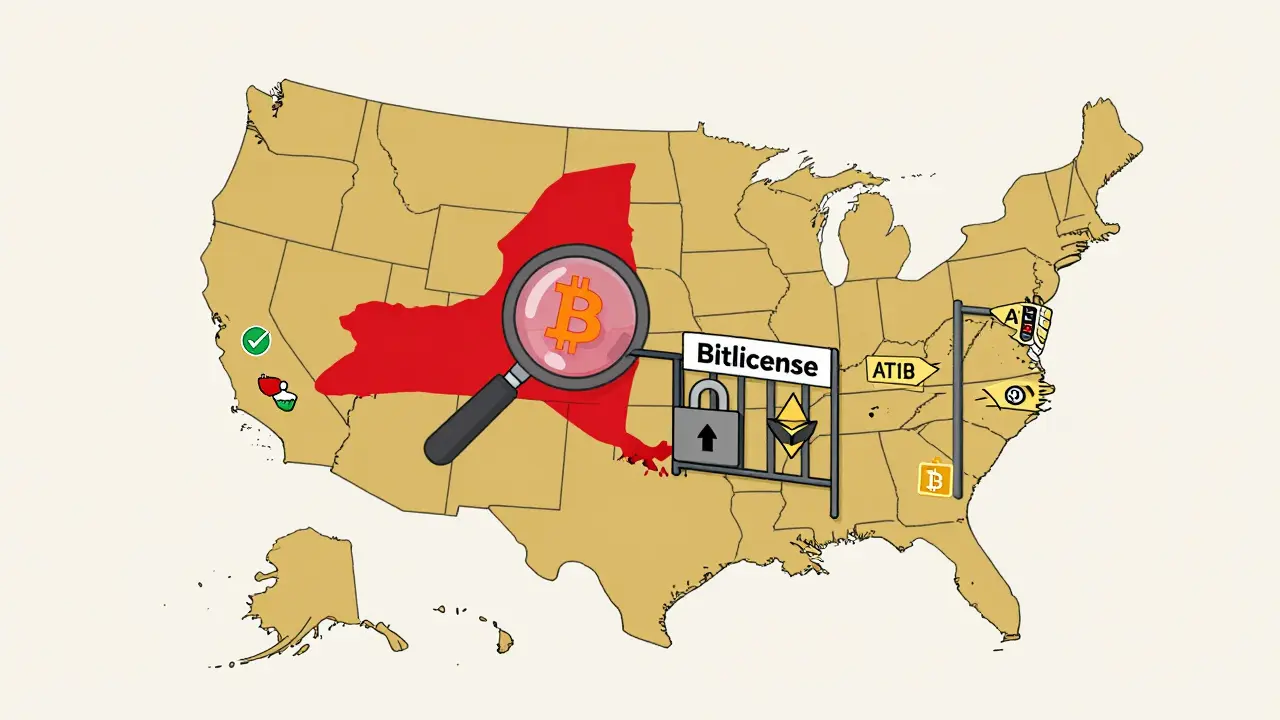
When you hear BitLicense, a state-level regulatory framework issued by the New York State Department of Financial Services (NYDFS) that requires crypto businesses to operate under strict oversight. It's not just another rule—it's the most aggressive crypto licensing law in the U.S. If a company wants to serve New York customers—whether it’s an exchange, wallet provider, or even a payment processor—they need this license. No BitLicense? No access to over 20 million people in one of the world’s most important financial markets.
This isn’t about banning crypto. It’s about control. The BitLicense, a state-level regulatory framework issued by the New York State Department of Financial Services (NYDFS) that requires crypto businesses to operate under strict oversight forces companies to prove they have anti-money laundering systems, capital reserves, cybersecurity plans, and even consumer protection policies. Many smaller firms walked away because the cost and paperwork were too high. Coinbase, Gemini, and Kraken got it. Dozens of others didn’t even try.
And it didn’t stop at exchanges. crypto licensing, the legal requirement for businesses to obtain official permission to operate in the crypto space, often tied to state or federal regulations became a buzzword because of BitLicense. Other states watched. Some copied parts of it. Others ignored it entirely. But if you’re a U.S. crypto user, you’ve felt its ripple effects: fewer platforms available in New York, slower onboarding, and higher fees because companies had to absorb compliance costs.
For users, it means less choice—but also more protection. If a platform has a BitLicense, you know they’ve jumped through hoops. That doesn’t mean they’re safe from hacks or fraud, but they’re being watched. Meanwhile, many projects avoid New York altogether. Why deal with lawyers and audits when you can just block the state? That’s why you’ll see crypto apps say ‘Not available in New York’ more than anywhere else in the country.
The crypto compliance, the process of following legal and regulatory rules to operate legally in the cryptocurrency industry, often involving reporting, KYC, and audits model from New York pushed the whole industry toward heavier oversight. It made regulators in Washington take notice. Today, federal agencies are building their own rules—but they’re still playing catch-up to what New York did in 2015.
There’s no such thing as a free crypto license. BitLicense cost companies millions. Some went bankrupt trying. Others pivoted to serving only non-New York users. And that’s the real story: this isn’t just about rules. It’s about who gets to play—and who gets shut out. If you’re trading crypto in New York, you’re under a microscope. If you’re building a crypto product, you either pay the price—or stay away.
Below, you’ll find real-world examples of how BitLicense shaped everything from exchange access to user restrictions, how it intersects with state-level bans, and why some crypto projects simply refuse to operate where it applies. These aren’t theory pieces. They’re stories from people who lived it.
State-by-State Crypto Regulations in the United States: What’s Legal Where in 2025
0 Comments
In 2025, U.S. crypto rules vary wildly by state. New York demands strict licenses, Texas welcomes crypto with open arms, and most states rely on outdated laws. Know where you stand before you trade or build.