Bybit Geofencing: What It Is, Why It Matters, and How It Affects Your Trading
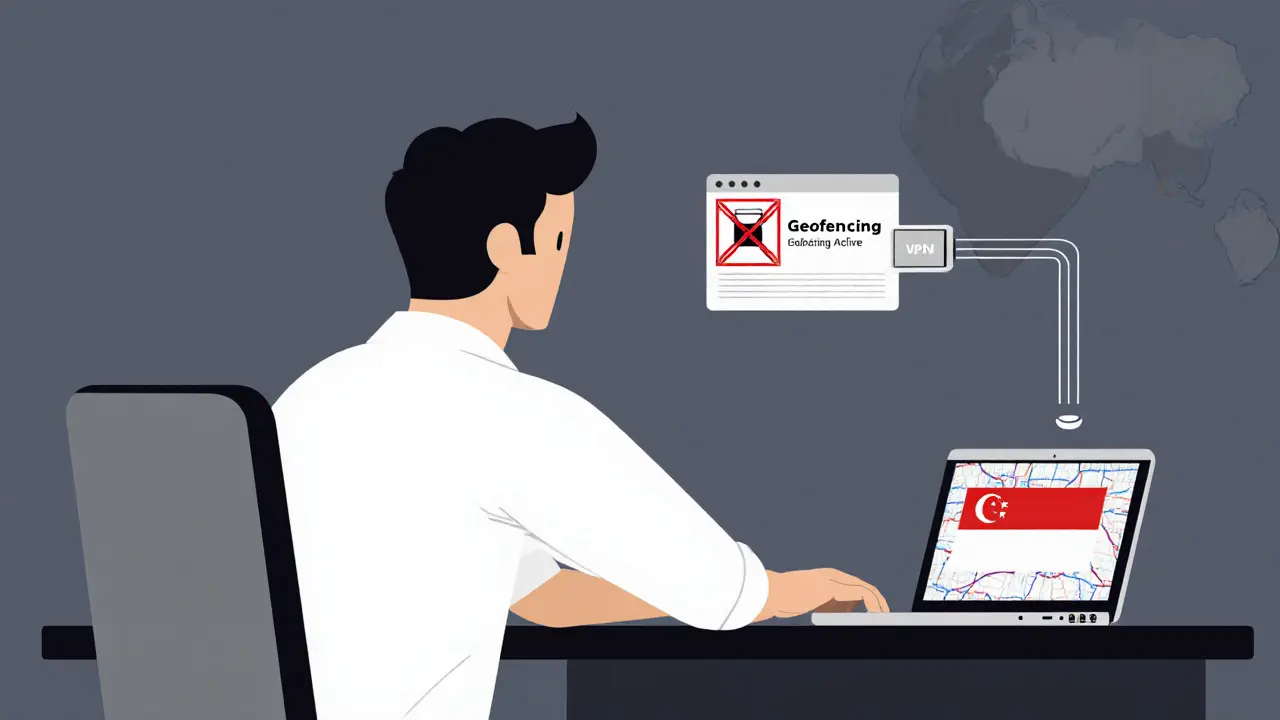
When you try to log into Bybit geofencing, a security feature that restricts access based on your physical location. It's not a bug—it's a legal requirement. Exchanges like Bybit use this to follow rules in countries where crypto trading is banned, heavily taxed, or under scrutiny. If you're suddenly locked out, it’s not your account—it’s your IP address telling the system you’re in a restricted region.
Geofencing isn’t unique to Bybit. It’s part of a broader trend in crypto exchange restrictions, policies that limit who can trade based on geography. location-based access controls are now standard for platforms dealing with regulators in Japan, Iran, or the U.S. These rules aren’t random—they’re tied to laws like Japan’s FIEA update or Iran’s Tether freezes. If an exchange doesn’t enforce geofencing, it risks losing its license, facing fines, or being blocked entirely. That’s why Bybit, like Binance or Kraken, draws invisible borders around countries where compliance is too risky.
But geofencing doesn’t just block users—it reshapes how people trade. Some turn to VPNs to bypass it, but that’s risky. Bybit’s terms clearly warn against it, and accounts caught using proxies can be frozen without warning. Others look for exchanges that don’t enforce these rules, but those often lack security, insurance, or support. The real question isn’t whether geofencing is fair—it’s whether you can afford to ignore it. If you’re in a restricted country, your options are limited: wait for legal changes, move your residence, or accept that trading on major platforms isn’t an option right now.
Behind every geofencing block is a story. Maybe it’s a user in Russia who can’t withdraw to a local bank. Or someone in Nigeria who can’t deposit via local payment methods. These aren’t just technical limits—they’re economic ones. The same people who use crypto to escape inflation are the ones most hurt by these restrictions. And while exchanges say they’re just following the law, the truth is they’re choosing to exit markets rather than fight for clearer rules.
What you’ll find in the posts below are real cases of how location shapes crypto access. From Japan’s strict licensing rules to Iran’s frozen wallets, these aren’t abstract policies—they affect real wallets, real trades, and real lives. You’ll also see how exchanges like Bybit respond when governments change the game, and what happens when users try to work around the system. This isn’t about bypassing rules. It’s about understanding them—and knowing where you stand.
Bybit Crypto Geofencing and VPN Detection: What Traders Need to Know
0 Comments
Bybit uses geofencing and basic IP checks to block users from restricted countries like the U.S. Many try to bypass this with VPNs, but doing so risks account freezes and lost funds. Here's what actually happens when you try.