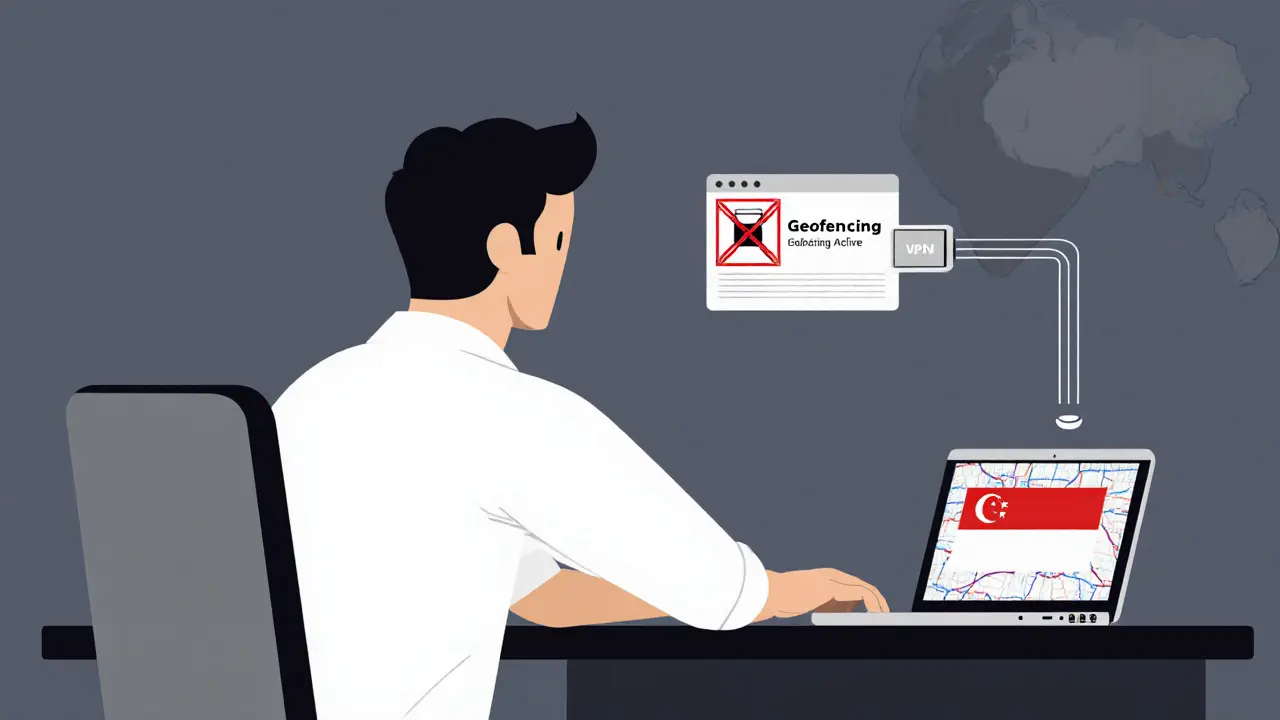
Bybit VPN Detection: How Exchanges Track Users and What It Means for You
When you use a VPN, a tool that masks your real IP address to hide your location. Also known as virtual private network, it lets you appear as if you're browsing from another country. But if you're trying to access Bybit, a major crypto derivatives exchange that restricts users based on geographic regulations, you might hit a wall. Bybit actively detects and blocks VPN connections—not because it wants to spy on you, but because it has to follow local laws. Countries like the U.S., Canada, and Singapore ban or limit certain crypto services, and Bybit can’t risk fines or shutdowns by letting users bypass those rules.
How does Bybit know you’re using a VPN? It doesn’t guess. It checks your IP address against known VPN server lists, watches for multiple users logging in from the same IP, and even looks at timing patterns—like rapid logins from different continents in minutes. Some users try to hide behind free proxies or Tor, but those are even easier to flag. Bybit’s system is built for compliance, not punishment. If your connection gets blocked, it’s not because you’re doing something shady—it’s because the system sees you as a legal risk.
This isn’t just about Bybit. Most regulated exchanges—like Binance, a global crypto platform that enforces strict regional access controls, or Kraken, a U.S.-focused exchange with tight geo-restrictions—do the same. They don’t want to become targets for regulators. That’s why you’ll see posts here about crypto exchange regulations, crypto restrictions in Iran, and Japan’s FSA rules. These aren’t random stories. They’re all connected: exchanges are caught between global demand and local laws, and your access is the frontline.
So what can you do? If you’re in a restricted region, using a VPN won’t save you long-term. You might get in for a day, but your account could freeze, funds could be locked, and you’ll lose trust in the platform. The smarter move? Learn the rules where you live. Look at posts about crypto ban penalties or crypto exchange licensing in Japan. Understand what’s allowed, what’s risky, and where you can legally trade. Some users find workarounds through peer-to-peer markets or local exchanges—but those come with their own dangers. The goal isn’t to outsmart the system. It’s to work within it.
Below, you’ll find real stories from users who ran into Bybit’s detection system, guides on how exchanges track activity, and deep dives into the legal pressures shaping crypto access worldwide. No fluff. No promises. Just what’s actually happening—and how to protect yourself without breaking the rules.
Bybit Crypto Geofencing and VPN Detection: What Traders Need to Know
0 Comments
Bybit uses geofencing and basic IP checks to block users from restricted countries like the U.S. Many try to bypass this with VPNs, but doing so risks account freezes and lost funds. Here's what actually happens when you try.