Fear in Trading: How Emotions Destroy Crypto Decisions and What to Do Instead
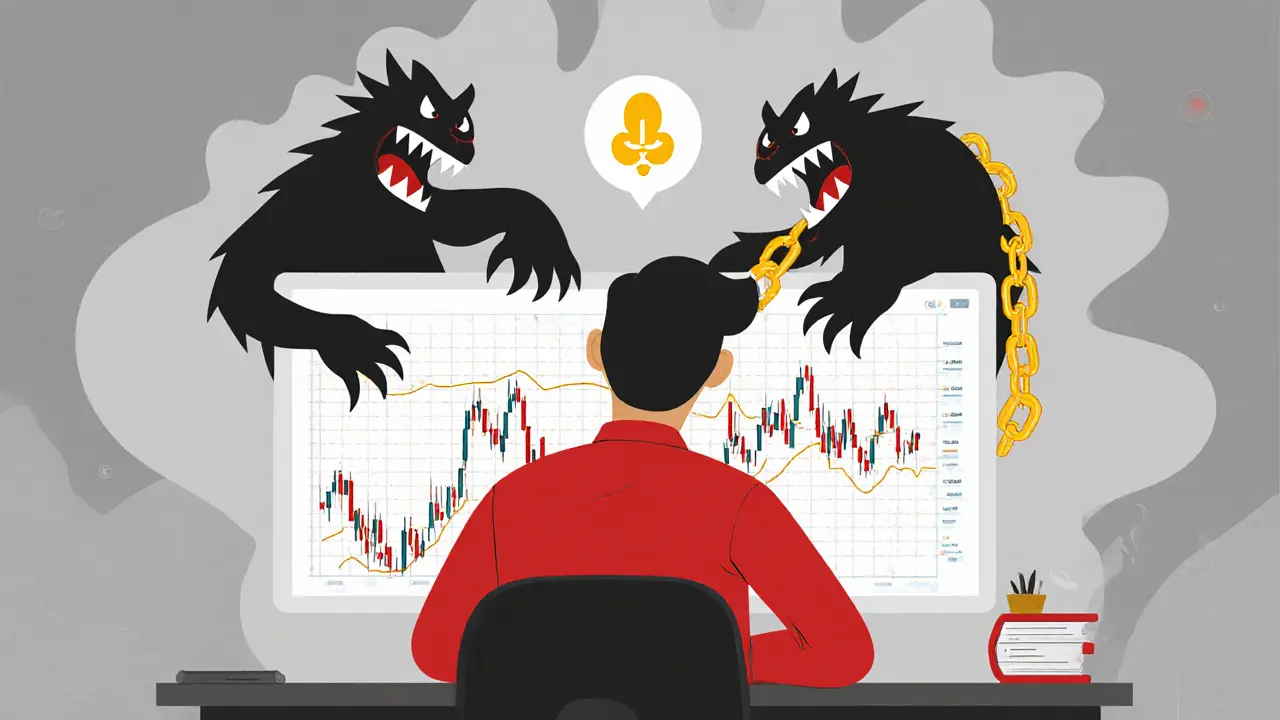
When you feel that knot in your stomach watching your crypto drop 30% in an hour, that’s not market analysis—that’s fear in trading, the emotional response that overrides logic and leads to impulsive, costly decisions. It’s not just nerves. It’s the voice screaming to sell before it hits zero, even when the project still has a working team and real users. This isn’t rare. It’s the silent killer behind 80% of crypto losses, and it shows up in every post here—from the $400K lending platform that crashed 99.8% to the meme coins with zero utility that still get bought on hype.
Panic selling, the act of dumping assets out of dread rather than strategy is why people sold TRAVA.FINANCE at $0.0001 after it dropped from $0.02. FOMO crypto, buying because everyone else is, before the price spikes is why people jumped into BananaGuy or FCK925 without checking if the devs even exist. And trading psychology, the mental patterns that shape how you react to price swings is what separates those who hold through crashes from those who bail and miss the rebound. You don’t need better tools. You need to stop letting fear write your trades.
Look at the posts below. They’re not just about coins or airdrops. They’re case studies in emotional traps. The ACMD airdrop went quiet, but people still held hoping for a miracle. The WazirX hack wiped out millions, yet some users still trusted the platform because they couldn’t accept the loss. North Korean hackers use crypto laundering not because they’re smart—they’re exploiting the same fear everyone else feels: that if you don’t move fast, you’ll lose everything. Fear in trading doesn’t care if it’s a $7M token or a $60K NFT. It makes you act like you’re in a burning building when you’re just standing in the rain.
What you’ll find here aren’t tips to ‘overcome fear.’ That’s fluffy advice. What you’ll find are real examples of what happens when fear wins—and how the people who stayed calm saw the other side. No fluff. No motivational quotes. Just what actually happened, why it mattered, and how to recognize the same pattern before you repeat it.
Emotional Risk Management in Trading: How to Stop Letting Fear and Greed Destroy Your Profits
0 Comments
Emotional risk management in trading helps you control fear, greed, and revenge trading so you stick to your plan-even when the market gets wild. Learn proven techniques used by top traders to protect your capital and improve performance.