Non-Custodial Wallet: What It Is and Why It Matters in Crypto
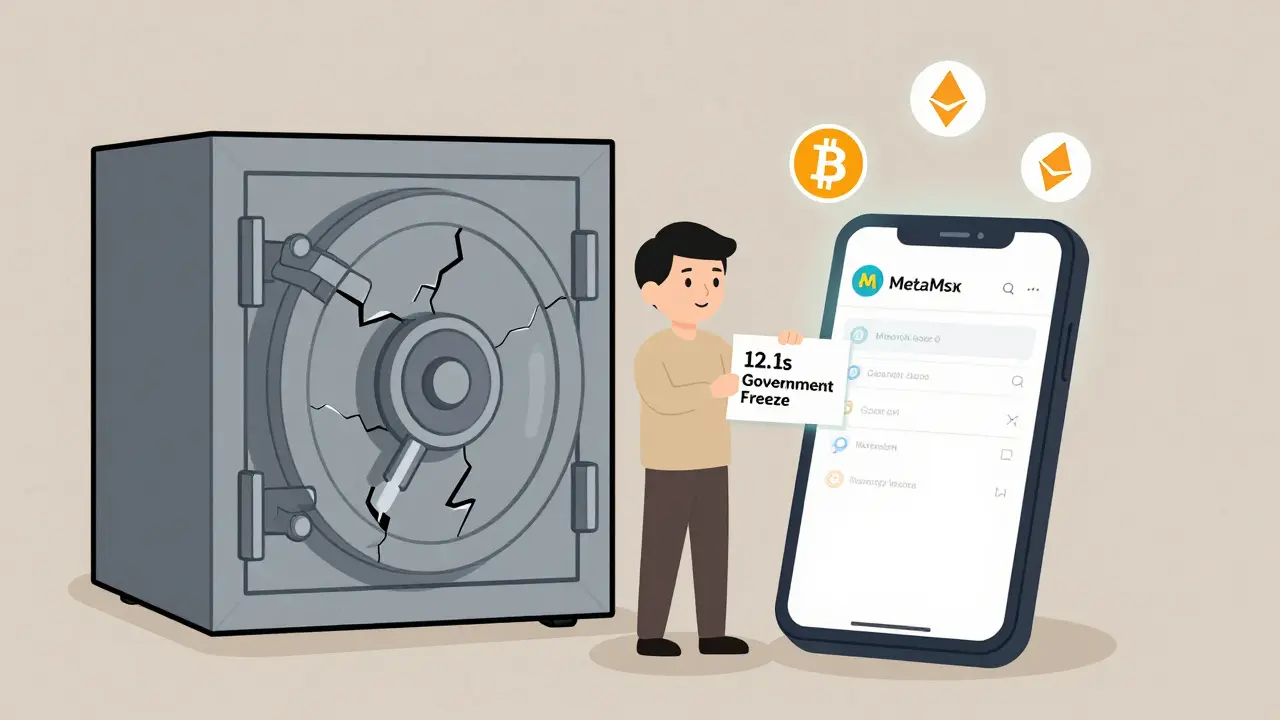
When you use a non-custodial wallet, a type of cryptocurrency wallet where you hold the private keys yourself, not a third party. Also known as self-custody wallet, it means your crypto lives under your control—no exchange, no bank, no company can touch it or lock it down. This isn’t just a tech detail. It’s the difference between renting your money and owning it outright.
Most people start with exchange wallets—Coinbase, Binance, Kraken—because they’re easy. But those are custodial wallets, where a company holds your private keys and controls access to your funds. If the exchange gets hacked, gets shut down by regulators, or just decides to freeze your account (like what happened to Iranian users or Tether’s wallet freezes), you lose access. A non-custodial wallet doesn’t have that weakness. Your funds are only as safe as your backup phrase. No one else has a copy. No one else can reverse your transactions. That’s the core promise of blockchain: trustless ownership.
This is why private key, the secret code that proves you own your crypto and lets you sign transactions. matters more than your password. If you lose it, your crypto is gone forever. If someone steals it, they own your money. That’s why tools like hardware wallets, paper backups, and multi-sig setups exist—they’re not fancy add-ons, they’re survival gear. And it’s not just about holding Bitcoin. Every DeFi interaction, every NFT you mint, every airdrop you claim (like the ones for SOLO, 3ULL, or WNT) requires you to connect your own wallet. If you’re using an exchange wallet for that, you’re handing over control to someone else’s rules.
Look at the posts here: Afghan families using USDT to survive, Iranians locked out of global exchanges, users avoiding Bybit’s geofencing with risky workarounds. In every case, the people who kept access to their crypto were the ones using non-custodial wallets. Not because they were experts, but because they understood one thing: if you don’t hold the keys, you don’t hold the crypto. The same goes for India’s 1% TDS tax—your wallet doesn’t care if the government tracks your trade. Only you control what you send and when.
You’ll find posts here that explain how to track smart contracts, avoid fake airdrops, and spot scam tokens—all things you can’t do safely without a non-custodial wallet. You’ll see how tools like Etherscan and Dune Analytics work only when you’re connected to your own wallet. You’ll learn why projects like Pera Finance or Anonverse X CMC have no real airdrops—because if they did, you’d need your own wallet to claim them. This collection isn’t about theory. It’s about what happens when real people use crypto outside the system—and how non-custodial wallets make that possible.
Non-Custodial Crypto Wallets in Restricted Countries: How to Stay in Control When Banks Won't Let You
0 Comments
Non-custodial crypto wallets let you control your money without banks or exchanges - crucial in countries where crypto is restricted. Learn how they work, which ones to use, and how to stay safe when no one else can help you.