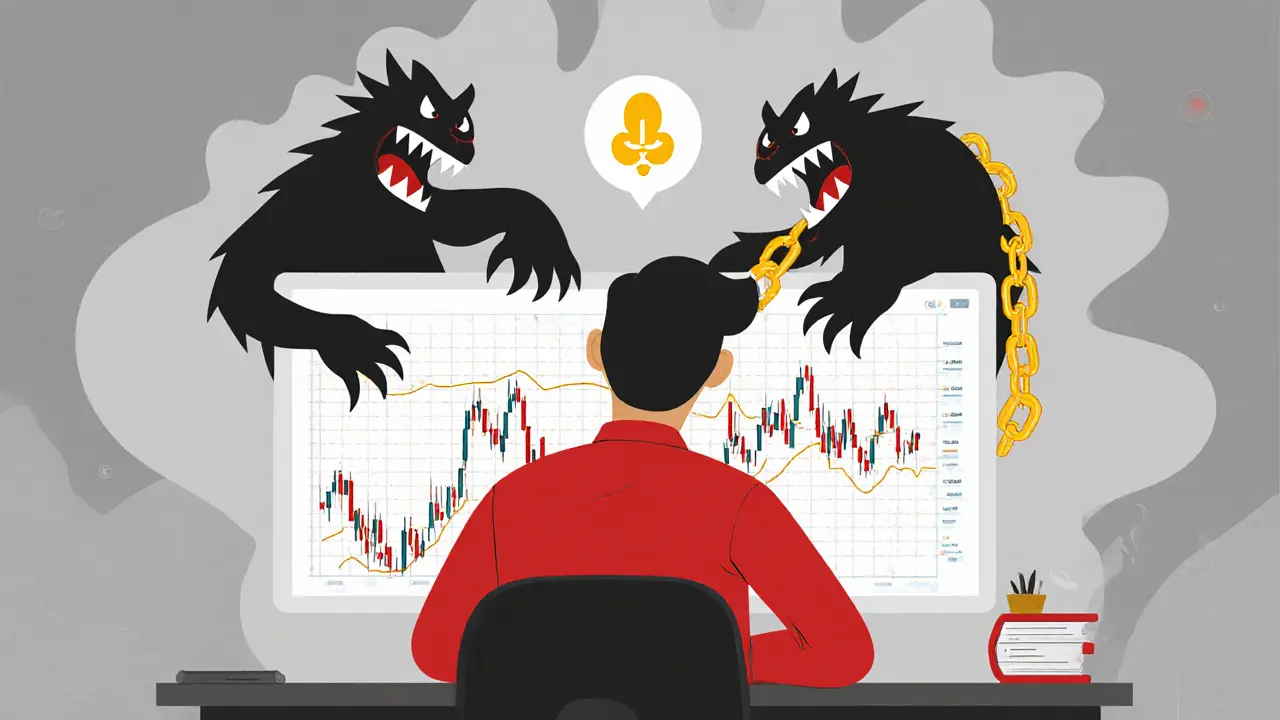
Trading Discipline: How to Stay Sharp in Crypto Markets
When you trade crypto, trading discipline, the habit of sticking to a plan regardless of fear or greed. It's not about picking the next moonshot—it's about showing up every day, knowing your limits, and walking away when the market isn't playing fair. Most people lose money not because they don't understand blockchain, but because they let emotions run the show. A 99% drop in a coin like TRAVA.FINANCE or Peanut (NUX) doesn't scare disciplined traders—it just means they didn't risk more than they could afford to lose. Discipline isn't glamorous. It doesn't show up in TikTok videos. It shows up in the quiet moments when you close a losing trade without blaming the market.
Without risk management, the practice of setting clear entry, stop-loss, and exit points before entering a trade, even the smartest analysis fails. Look at WazirX or BtcTurk users who lost everything after hacks—not because the exchanges were evil, but because they put all their money in one place and didn't have a backup plan. emotional trading, making decisions based on FOMO, panic, or revenge after a loss is the silent killer. It’s why people chase FCK925 or BananaGuy after a 200% spike, then hold through a 90% crash because they can’t admit they were wrong. Discipline means accepting small losses to avoid big ones.
And it’s not just about money. trading psychology, the mental habits that influence how you respond to market moves is what keeps you sane when the news is wild—like North Korean hackers laundering crypto or Iran’s trading hours being cut. You won’t find a guide that says "just stay calm." But you will find posts here that show real examples: how the ACMD airdrop went quiet, why FAN8 is a scam, and how the WMX airdrop stayed real because its team stuck to their timeline. These aren’t luck stories. They’re discipline stories.
You’ll see here how traders lost money chasing fake airdrops, ignored stop-losses on low-cap tokens, and held through crashes because they thought "it’s bound to come back." You’ll also see how the few who made it through did it—not by predicting the future, but by controlling their reactions to it. This isn’t about getting rich overnight. It’s about staying in the game long enough to let your edges work. The market doesn’t care how smart you are. It only cares if you’re consistent.
Emotional Risk Management in Trading: How to Stop Letting Fear and Greed Destroy Your Profits
0 Comments
Emotional risk management in trading helps you control fear, greed, and revenge trading so you stick to your plan-even when the market gets wild. Learn proven techniques used by top traders to protect your capital and improve performance.