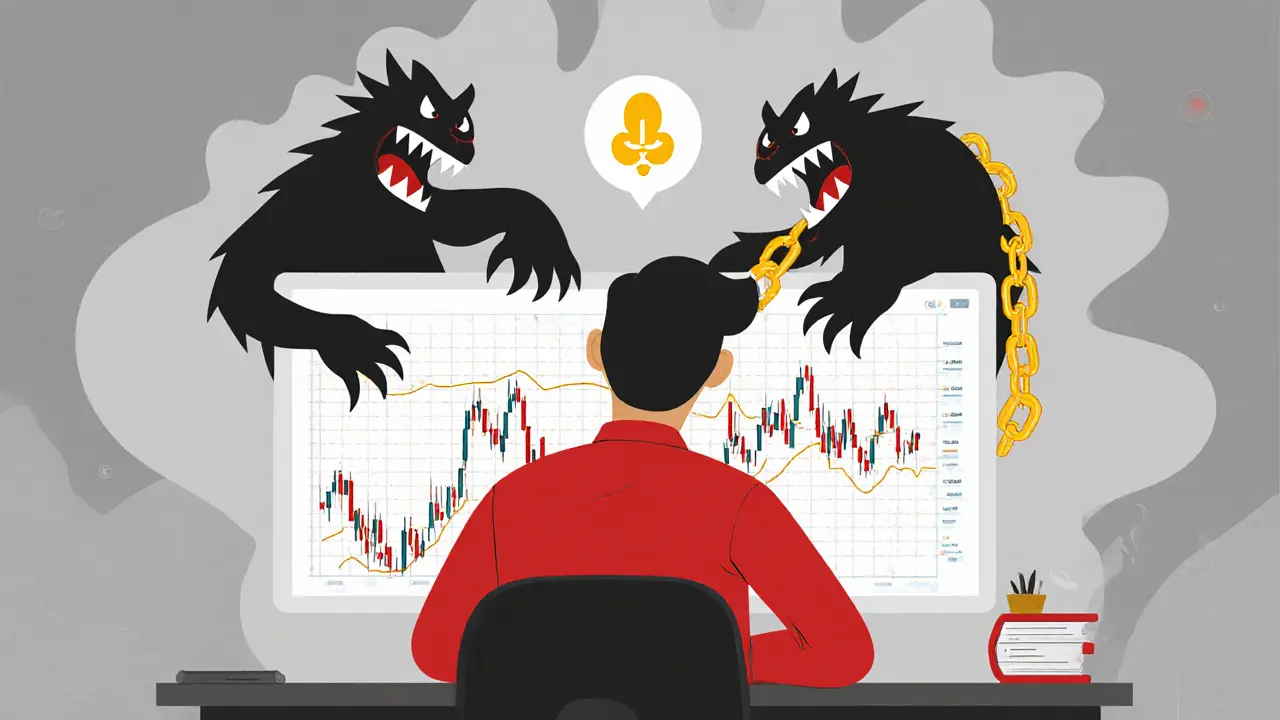
Trading Psychology: Master Your Mind in Crypto Markets
When you buy or sell crypto, your trading psychology, the mental patterns and emotional habits that drive your trading decisions. It's not about the chart patterns or the latest news—it's about whether you panic-sell when the price dips 5%, or hold through a 30% drop because you have a plan. This is the real edge in crypto markets, and most people never even talk about it. You can know every indicator, follow every whale, and still lose money if your mind is running the show.
Behind every failed trade is a story of fear, greed, or FOMO. Take trading psychology seriously, and you start seeing why so many people lose in crypto. It’s not because the market is rigged—it’s because they didn’t train their mind like they trained their strategy. Look at the posts below: TRAVA.FINANCE crashed 99.8% from its peak, BananaGuy has zero utility, and Peanut (NUX) lost 99.9% of its value. People didn’t lose because they misunderstood the tech—they lost because they bought hoping for a miracle, held too long out of denial, or sold too early from panic. These aren’t just coin failures—they’re case studies in broken psychology.
Good trading doesn’t require genius. It requires consistency. It means walking away from a coin after you hit your target, even if everyone else is screaming "it’s going to the moon." It means not chasing an airdrop just because it’s free—like FAN8, which turned out to be a scam with $0 volume. It means knowing when to step back after a big win, instead of doubling down because you feel "lucky." The best traders aren’t the ones with the most knowledge—they’re the ones with the most control. And that control comes from understanding your own triggers. Whether you’re trading on IX.com, dealing with WazirX’s recovery after a hack, or watching North Korean actors launder crypto, the same rules apply: your emotions are your biggest risk.
What you’ll find here aren’t theories. These are real stories from people who got burned, and a few who learned how to stop it. You’ll see how crypto exchange restrictions in Iran, Portugal’s tax rules, or Singapore’s regulatory clarity all tie back to one thing: how people react under pressure. Trading psychology isn’t a buzzword. It’s the difference between surviving the market and getting wiped out by it.
Emotional Risk Management in Trading: How to Stop Letting Fear and Greed Destroy Your Profits
0 Comments
Emotional risk management in trading helps you control fear, greed, and revenge trading so you stick to your plan-even when the market gets wild. Learn proven techniques used by top traders to protect your capital and improve performance.