Web3 Internet: What It Is and How It’s Changing Crypto, Wallets, and Global Finance
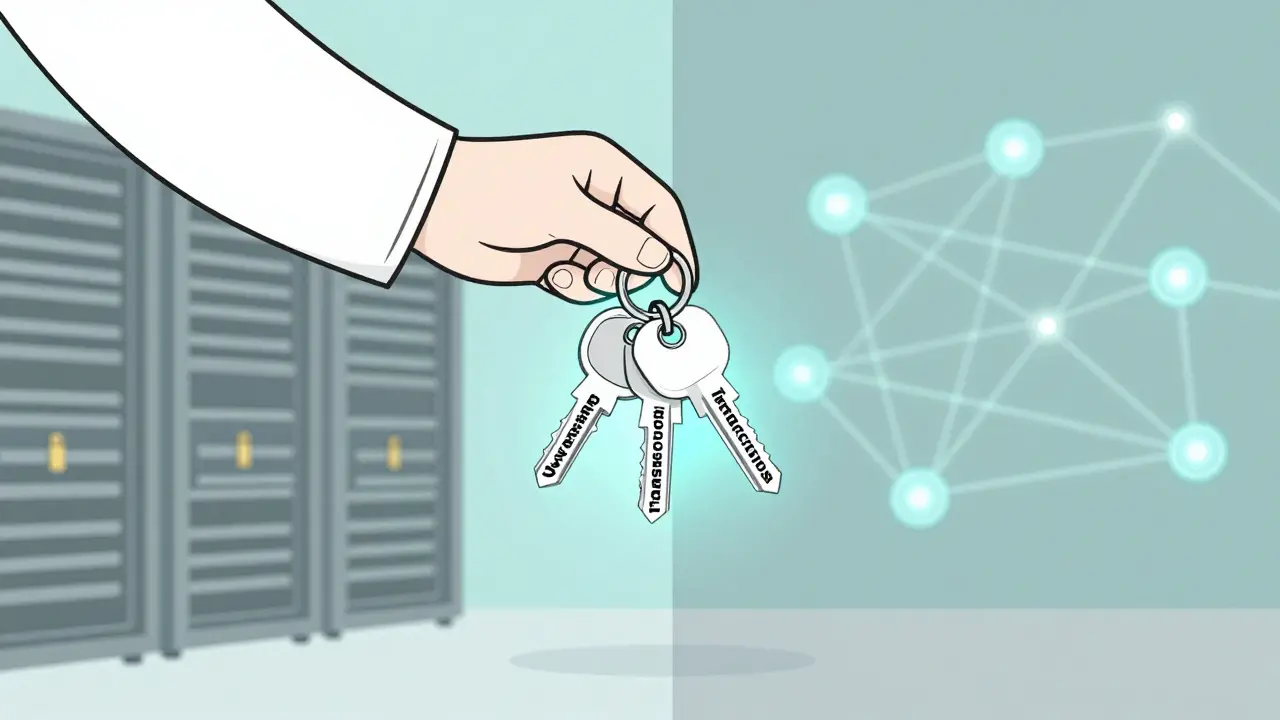
When we talk about the Web3 internet, a decentralized digital ecosystem built on blockchain technology where users own their data and assets. Also known as blockchain internet, it’s not just a tech upgrade—it’s a complete rewrite of how online services work, removing banks, platforms, and governments from the middle. Unlike today’s web, where companies like Google or Meta control your profile, posts, and money, Web3 puts control back in your hands. You don’t log in—you connect. You don’t store files on a server—you store them on a ledger only you can access.
This shift isn’t theoretical. It’s already happening in places where traditional finance has failed. In Afghanistan, families use USDT, a stablecoin tied to the U.S. dollar that moves across borders without banks to send money home when banks are closed. In Iran, miners run rigs under strict rules because crypto mining, the process of verifying blockchain transactions and earning rewards is one of the few legal ways to earn dollars. And in Japan, the financial regulator now treats many tokens as securities, forcing exchanges to follow strict rules—because smart contracts, self-executing code that runs on blockchains without human intervention can’t be easily controlled once deployed.
The Web3 internet doesn’t care about borders. It works whether you’re in Texas, India, or North Korea. That’s why you’ll find posts here about non-custodial wallets used in banned countries, about Indian traders paying 1% tax on every swap, and about Iranians locked out of global exchanges. It’s why someone in the U.S. might use the Lightning Network, a layer-two solution that lets Bitcoin handle instant, cheap payments to tip a creator, while someone in Nigeria uses the same tech to pay for groceries. This isn’t about speculation—it’s about survival, freedom, and control.
What you’ll find below isn’t a list of hype. It’s a real-world archive of how Web3 works—or fails—when it hits the ground. You’ll see how airdrops vanish, how exchanges block users with geofencing, how meme coins collapse overnight, and how people still find ways to move value when the system tries to shut them down. No fluff. No promises. Just what’s actually happening in the decentralized web right now.
Future of Web3 Internet: How Decentralization Is Reshaping Online Ownership and Control
0 Comments
The future of the Web3 internet is about ownership, not apps. With blockchain, AI, and regulation aligning, Web3 is moving from crypto experiments to enterprise reality-giving users control over their data, identity, and assets.