UK Crypto Hub Ambitions: Policies, Restrictions, and the 2026 Reality
 Jul, 13 2026
Back in 2023, former Prime Minister Rishi Sunak made a bold promise: the United Kingdom would become the "crypto capital of the world." It was a headline-grabbing ambition designed to lure tech giants and innovative startups away from competitors like Singapore and Switzerland. Fast forward to mid-2026, and the picture is far more complex. The UK has built one of the most rigorous regulatory frameworks for digital assets globally, but political winds have shifted. With the Labour Party now in power, the aggressive marketing of the "crypto hub" has cooled into a steady, compliance-heavy approach. For businesses and investors, this means the days of wild west speculation are over, replaced by strict rules, heavy oversight, and a clear path to legitimacy-if you can afford it.
The Core Strategy: Regulation as a Competitive Advantage
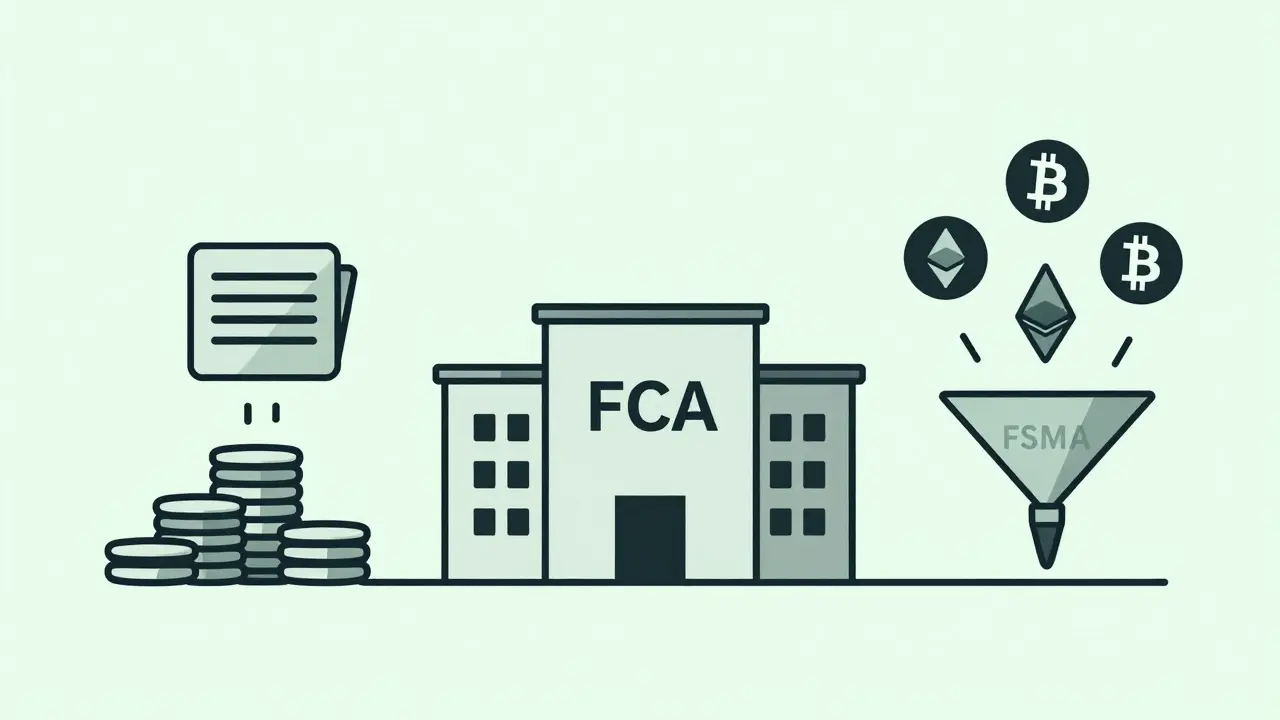
The UK’s strategy relies on a simple premise: safety attracts money. By creating clear rules, the government aims to protect consumers while giving institutional investors the confidence to enter the market. This isn't about banning crypto; it's about bringing it into the financial system under the watchful eye of regulators. The core engine of this strategy is the Financial Conduct Authority (FCA), which acts as the primary regulator for consumer protection and market conduct in the UK's financial sector.
The framework is split into two distinct phases. Phase 1, which dominated the news cycle through 2024 and early 2025, focused specifically on fiat-backed stablecoins. These are digital tokens pegged to real-world currencies like the British Pound or US Dollar. The logic here is practical: if stablecoins are used for payments, they must be safe. The UK introduced three key mechanisms:
- FCA Regulated Activities: Issuing and holding stablecoins became regulated activities under the Regulated Activities Order (RAO). This means companies must get permission from the FCA to operate.
- Payment Services Regulations: Stablecoins used in payment chains are now subject to the Payment Services Regulations 2017, ensuring they meet banking-style standards for security and reliability.
- Bank of England Oversight: The central bank monitors systemic risks, ensuring that widespread use of stablecoins doesn't destabilize the broader economy.
Phase 2 represents the bigger shift. It brings non-security token cryptoassets-like Bitcoin and Ethereum-under the existing Financial Services and Markets Act 2000 (FSMA). This covers everything from exchanges and lending platforms to investment advice and custody services. Crucially, these rules apply to any service provided "in or to" the UK. This extraterritorial reach is significant. If a foreign exchange serves UK customers, it must comply with UK law, closing loopholes that previously allowed offshore firms to bypass local regulations.
Key Legislative Milestones in 2025 and 2026
To understand where things stand today, we need to look at the laws passed recently. The turning point came in April 2025 with the publication of the Financial Services and Markets Act 2000 (Regulated Activities and Miscellaneous Provisions) (Cryptoassets) Order 2025. This order gave HM Treasury the legal power to regulate crypto activities formally. Shortly after, in May 2025, the FCA released detailed consultation papers outlining exactly what firms need to do to comply.
These weren't just bureaucratic exercises. They addressed long-standing gaps in the law. For instance, previous amendments to the Money Laundering Regulations forced crypto businesses to register with the FCA for anti-money laundering (AML) checks. Updates to the Financial Promotions Order meant that advertising crypto products to retail investors became illegal unless approved by a regulated firm. This effectively banned unapproved social media promotions for high-risk crypto assets, a move that significantly impacted how projects market themselves in the UK.
Another critical piece is the Travel Rule, implemented in 2023 and enforced strictly since. This requires exchanges to share sender and receiver information for transactions above certain thresholds. While controversial among privacy advocates, it aligns the UK with global standards set by the Financial Action Task Force (FATF), making it harder for criminals to use crypto for illicit purposes.
| Feature | Phase 1 (Stablecoins) | Phase 2 (Broad Cryptoassets) |
|---|---|---|
| Scope | Fiat-backed stablecoins only | All non-security tokens (Bitcoin, Ethereum, etc.) |
| Primary Regulator | FCA & Bank of England | FCA under FSMA 2000 |
| Key Requirement | Payment service authorization | Full financial services licensing |
| Consumer Protection | Basic safeguards | Consumer Duty, Ombudsman access |
| Implementation Status | Active since 2024 | Rolling out through 2025-2026 |
The Political Shift: From Sunak to Labour
Here is where the story gets tricky. The initial "crypto hub" push was heavily driven by the Conservative government under Rishi Sunak. It was part of a broader competitiveness agenda. However, the 2024 general election brought the Labour Party to power, and their tone toward crypto is noticeably different. Industry insiders report a cooling of enthusiasm. As Arvin Abraham, a partner at Goodwin, noted, the UK no longer feels like it is prioritizing crypto as a top-tier strategic goal compared to a few years ago.
This doesn't mean the regulations are going away. In fact, the opposite is true. The machinery of regulation continues regardless of who sits in Downing Street. The FCA remains independent and committed to its roadmap. But the *marketing* has stopped. You won't see ministers touring Silicon Valley pitching the UK as a crypto paradise. Instead, the focus is on risk mitigation, tax fairness, and preventing financial crime.
For entrepreneurs, this creates uncertainty. Will the rules become even stricter? Will taxes increase? The current administration seems less interested in attracting crypto startups and more focused on ensuring the existing system is robust. This cautious approach contrasts with jurisdictions like Dubai or El Salvador, which offer tax breaks and deregulation to attract crypto business. The UK is betting that quality regulation is worth more than cheap perks.

What This Means for Businesses and Users
If you run a crypto business in the UK, the message is clear: adapt or leave. The FCA expects crypto firms to meet the same high standards as traditional banks. This includes operational resilience, meaning your systems must withstand cyberattacks and technical failures. You also need strong controls to combat financial crime, including Know Your Customer (KYC) procedures and transaction monitoring.
A major new concept is the Consumer Duty. This rule requires firms to act in a way that delivers good outcomes for consumers. It goes beyond basic transparency. Firms must consider whether their products are suitable for the people buying them. For example, selling high-leverage leveraged trading products to inexperienced retail investors could violate this duty. The FCA is still consulting on how this applies specifically to crypto, but the expectation is that complaint management processes will be rigorous, and consumers may soon have access to the Financial Ombudsman Service for crypto-related disputes.
For individual users, the landscape is safer but less convenient. You can no longer easily buy crypto from unregulated offshore sites without triggering alerts. Legitimate exchanges must display clear warnings about risks. The rise in fraud cases-where scammers tricked thousands of UK residents out of millions-has justified these restrictions. The government views crypto not just as an investment opportunity, but as a potential vector for harm that needs containment.
International Cooperation and Future Outlook
The UK knows it cannot regulate crypto in isolation. That's why international cooperation is a cornerstone of its strategy. During UK Fintech Week, officials highlighted enhanced collaboration with the United States through the UK-US Financial Regulatory Working Group. This bilateral effort aims to align standards, making it easier for firms to operate across both markets while maintaining high safety bars.
Looking ahead, several developments will shape the next few years. The concept of a Digital Pound (CBDC) is still being explored through public consultations. While not yet imminent, it signals the Bank of England's interest in modernizing currency. Additionally, draft legislation proposes recognizing digital assets as a third category of personal property in civil law. This would solve legal ambiguities around ownership and inheritance of crypto tokens.
However, challenges remain. The UK faces stiff competition from other hubs offering faster implementation timelines or more favorable tax regimes. The success of the UK's model depends on proving that its measured approach can attract serious investment without stifling innovation. If the regulations prove too burdensome, smaller startups may flee to friendlier jurisdictions. If they work, the UK could set the global standard for responsible crypto finance.
Is cryptocurrency legal in the UK?
Yes, owning and trading cryptocurrency is legal in the UK. However, businesses providing crypto services must be authorized by the Financial Conduct Authority (FCA). Unregistered exchanges operating in the UK face severe penalties and shutdown orders.
How does the Labour government view crypto?
The Labour government takes a cautious, regulation-first approach. Unlike the previous Conservative administration, they do not actively promote the UK as a "crypto hub." Their focus is on consumer protection, preventing financial crime, and ensuring tax compliance rather than attracting speculative investment.
What are the main restrictions for crypto businesses?
Businesses must obtain FCA authorization, implement strict KYC and AML procedures, adhere to the Consumer Duty, and maintain operational resilience. Advertising crypto products to retail investors is heavily restricted unless the promotion is approved by a regulated entity.
Can UK residents use offshore crypto exchanges?
While individuals can technically access offshore sites, these platforms are not protected by UK consumer laws. Furthermore, the UK's extraterritorial regulations mean that if an offshore exchange targets UK customers, it may still be required to comply with FCA rules or face blocking measures.
When will the full crypto regulatory framework be in place?
Phase 1 for stablecoins is already active. Phase 2, covering broader cryptoassets like Bitcoin and Ethereum, is rolling out throughout 2025 and 2026. Full implementation depends on the finalization of FCA rules and parliamentary approval of supporting legislation.