Underground Crypto Trading in North Macedonia: Navigating the Regulatory Gray Zone
 Oct, 17 2026
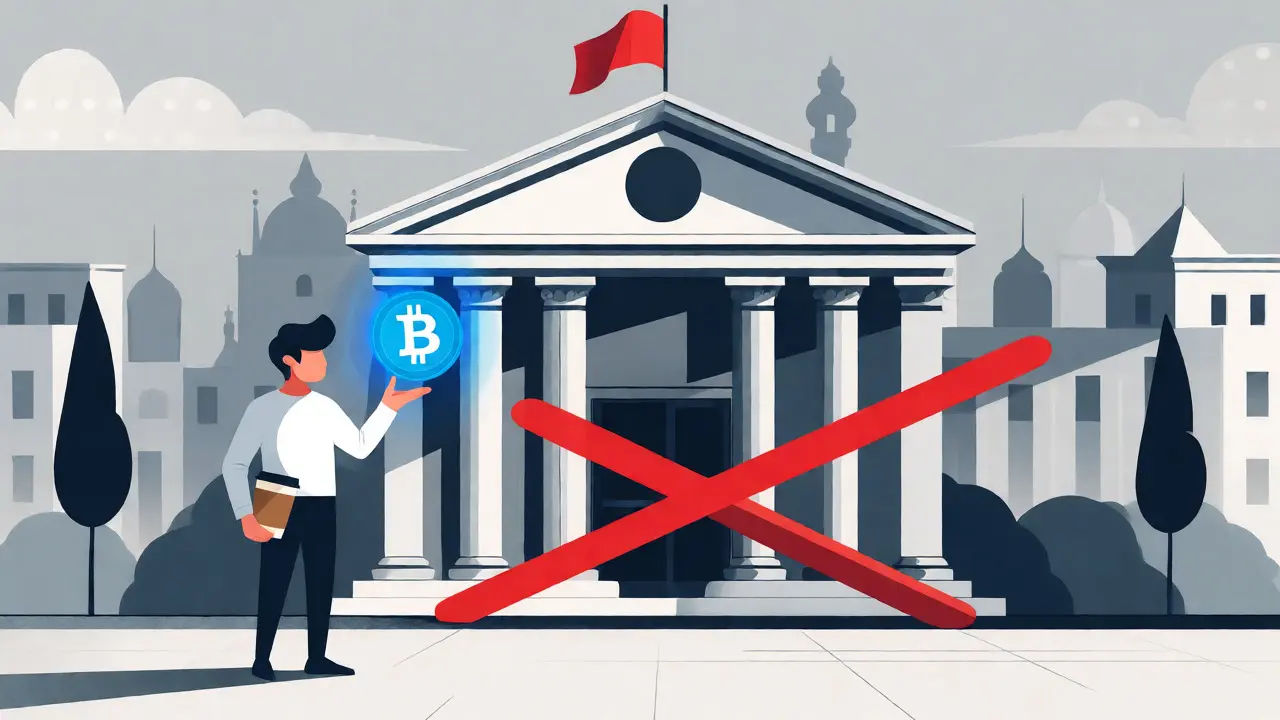
Imagine trying to buy a coffee with Bitcoin in Skopje. You might find a seller willing to take it, but if you try to withdraw that profit into your local bank account, you could hit a wall. This is the daily reality for cryptocurrency traders in North Macedonia. While most of Europe has embraced digital assets with clear rules, North Macedonia sits in a unique, confusing spot where official bans clash with active, thriving markets.
You might have read headlines claiming crypto is "illegal" here. Technically, the National Bank of the Republic of Macedonia (NBRM) issued a prohibition back in 2017. But does that mean trading stops? Not even close. Instead, it pushed the market underground-or more accurately, into a gray zone where peer-to-peer (P2P) platforms flourish despite the lack of formal banking support. If you are looking to trade here, or just curious how this works, you need to understand the gap between what the law says and what people actually do.
The Ban That Isn’t Really a Ban
Let’s clear up the confusion right away. In 2017, the NBRM classified cryptocurrencies similarly to foreign securities, effectively banning their trading under older stabilization agreements with the EU. For years, this created a chilling effect on institutional adoption. Banks were wary, and big companies stayed away. However, the situation shifted dramatically on February 1, 2022. The government adopted amendments to the Anti-Money Laundering and Countering the Financing of Terrorism (AML/CTF) Draft-Law. This was a turning point.
These amendments introduced legal definitions for "virtual assets," "virtual asset service providers," and "cryptocurrencies." Crucially, they categorized crypto as "property." This didn’t suddenly make everything regulated like in Switzerland, but it signaled a major philosophical shift. The NBRM later clarified that while trading isn't fully regulated, it doesn’t necessarily mean it’s illegal if it falls outside specific restricted categories. So, while CoinGecko still lists North Macedonia as one of the few European countries with explicit restrictions, the practical enforcement has softened. It’s less about police knocking on your door for buying Bitcoin and more about banks refusing to process the transactions.
How People Actually Trade: The Rise of P2P
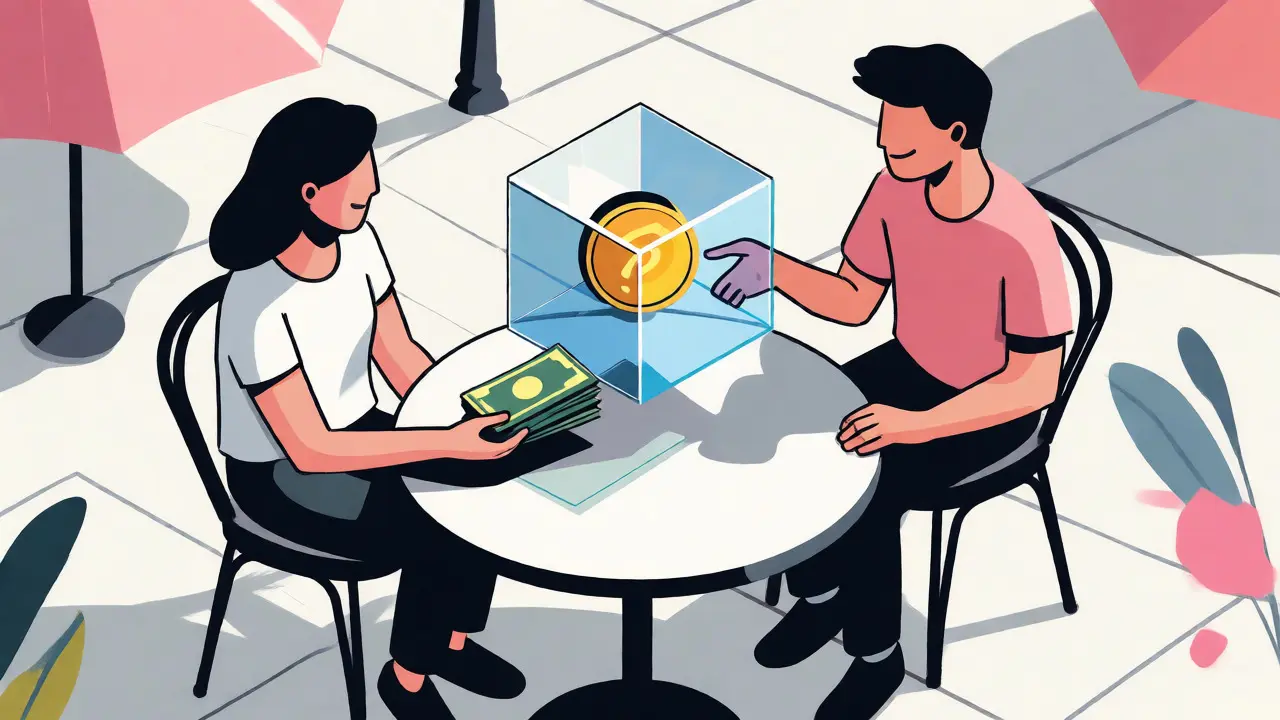
Since traditional banks often block transfers related to crypto exchanges, locals rely heavily on peer-to-peer networks. Think of it as Craigslist for currency, but with built-in security features. Platforms like Symlix.com and LocalCoinSwap have become lifelines for Macedonian users. These platforms don’t hold your money; they connect you directly with another person who wants to buy or sell.
Here is how the typical workflow looks on these sites:
- Registration: You sign up quickly, usually within five minutes. No strict KYC (Know Your Customer) hurdles initially, though verification levels vary.
- Search Offers: You filter by location (Skopje, Bitola, etc.), payment method (cash, PayPal, local bank transfer), and currency.
- Escrow Protection: This is the key safety net. When a buyer initiates a trade, the platform holds the cryptocurrency in an escrow wallet. The buyer sends the fiat money (denars or euros) directly to the seller. Once the seller confirms receipt, the crypto is released.
This system bypasses the banking bottleneck because the crypto never touches the Macedonian banking system during the trade itself. Only the fiat side involves local banks, and often, cash meets are used to avoid bank scrutiny entirely. Symlix, for instance, advertises "cash through safe and secure marketplace" options, acknowledging that many users prefer physical handovers to keep things simple and private.
International Brokers vs. Local Realities
If you prefer a more traditional trading experience, international brokers are accessible, but they come with caveats. BrokerChooser’s 2025 analysis highlights several major players operating in the region, including Swissquote, Interactive Brokers, MultiBank, and Oanda. Among them, Swissquote ranks highly for its solid selection and reliability, though users frequently complain about high fees on smaller trades.
| Platform Type | Examples | Pros | Cons |
|---|---|---|---|
| P2P Marketplaces | Symlix, LocalCoinSwap | Direct local payment methods; avoids bank blocks; community trust scores. | Liquidity can be lower; requires manual confirmation; risk of counterparty fraud. |
| International Brokers | Swissquote, Interactive Brokers | Regulated environment; better tools for analysis; wider coin selection. | Fiat deposits/withdrawals may be blocked by local banks; higher fees; limited crypto wallets. |
| Global Exchanges | Binance, Kraken | Highest liquidity; advanced features. | Difficult to fund with local denars; regulatory uncertainty; no local support. |
The data shows a clear preference for accessibility over sophistication. A significant portion of Macedonian users-estimated at around 42% in recent broker surveys-choose platforms based on ease of funding rather than lowest fees. This makes sense when you consider that getting money out of a global exchange into a Macedonian bank account can sometimes result in frozen funds for weeks, as documented in user forums.
Risks in the Shadows
Trading in a gray zone isn’t without danger. The primary risk isn’t jail time; it’s financial friction and lack of consumer protection. Because the market is semi-underground, there is no central authority to appeal to if something goes wrong. If a P2P partner scams you, your recourse is limited to the platform’s internal dispute resolution center. Symlix reports resolving 85% of disputes within 24 hours, which is good, but not perfect.
Another major concern is tax ambiguity. With crypto defined as property under the 2022 amendments, capital gains taxes technically apply. However, with no mandatory reporting infrastructure for individual P2P trades, many traders operate off the radar. This creates a ticking time bomb for those who accumulate significant wealth. If authorities decide to enforce stricter compliance, retroactive taxation could become an issue.
Volatility also plays a role in P2P trades. The average window for completing a transaction is 15-20 minutes. In a fast-moving market, the price can shift significantly between the moment you agree on a rate and the moment the crypto is released. Experienced traders build in a buffer to account for this spread, but newcomers often lose out on value due to timing mismatches.
Community and Trust Networks
In the absence of strong regulation, community becomes the regulator. Telegram groups like "MK Crypto," which boasts over 1,200 members, serve as informal knowledge hubs. Here, users share "trusted trader lists" and warn each other about bad actors. They also discuss safe meetup locations for cash trades, prioritizing public places like cafes in Skopje’s city center.
This social layer is vital. On Reddit threads from late 2024, Macedonian users frequently recommend starting with small test transactions before committing larger sums. One user described having €1,200 frozen for two weeks after attempting a direct bank transfer linked to a crypto purchase. The lesson? Keep the crypto side separate from the bank side until you have a proven track record.
For those looking to enter the market, the learning curve is steep but manageable. Most new users spend about two to three weeks researching before their first real trade. They learn to navigate the interface of platforms like LocalCoinSwap, which offers over 300 payment methods globally, though only a fraction are popular locally. Mastering the art of verifying counterparty identity-sometimes via video call-is now considered standard practice among serious traders.
The Future: Aligning with Europe
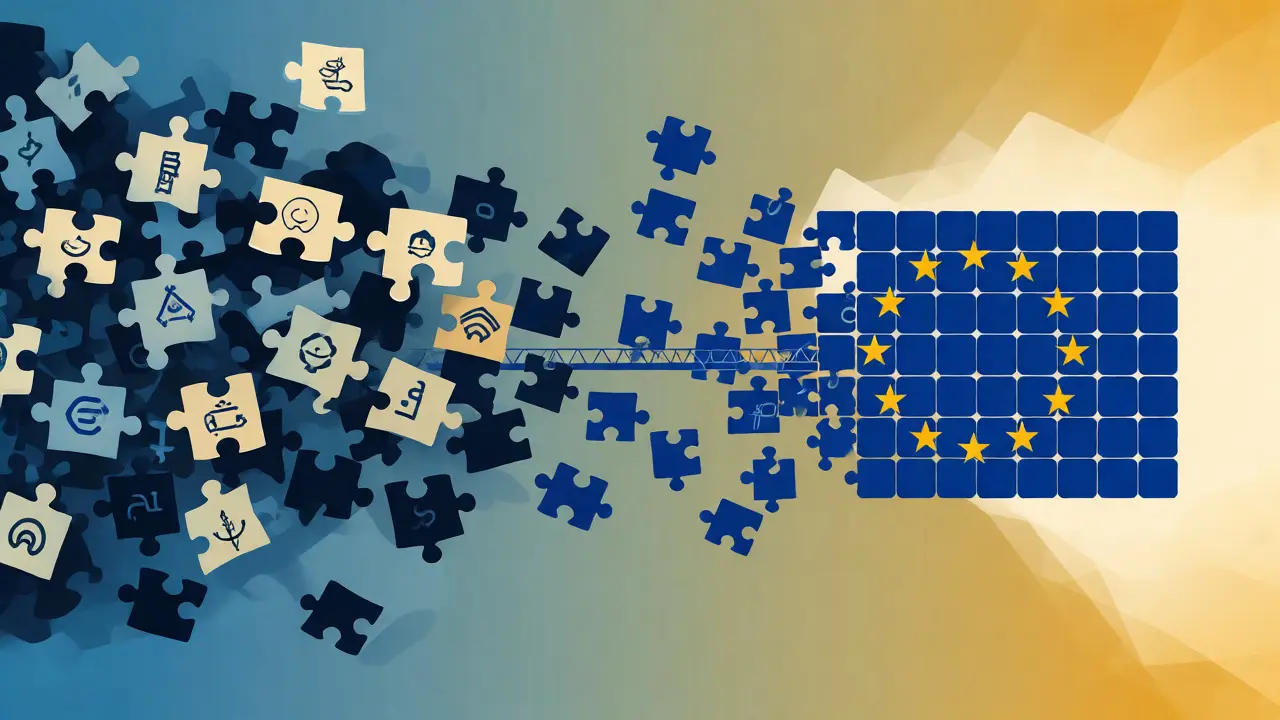
Where is this all heading? The trend points toward eventual formalization. As North Macedonia progresses in its EU accession talks, it faces pressure to align with the Markets in Crypto-Assets (MiCA) framework. Industry analysts predict that full regulatory clarity will arrive between 2026 and 2027. This would likely introduce licensing requirements for virtual asset service providers, bringing some structure to the current chaos.
Until then, the market remains resilient. Despite the "ban," adoption rates are growing. Estimates suggest roughly 42,000 active crypto users in a population of 1.8 million, representing a 2.3% adoption rate. While this trails behind the EU average of 5.1%, it represents a significant increase from previous years, driven largely by younger demographics seeking alternatives to traditional savings instruments.
Is cryptocurrency completely illegal in North Macedonia?
Not exactly. While the National Bank of the Republic of Macedonia issued a prohibition in 2017 regarding trading similar to foreign securities, subsequent laws in 2022 recognized crypto as property. In practice, personal ownership and peer-to-peer trading occur openly, though banking channels remain restricted and legally ambiguous.
Can I use my Macedonian bank card to buy Bitcoin?
Directly, it is difficult. Many local banks block transactions to international crypto exchanges. Most residents prefer using Peer-to-Peer (P2P) platforms where they can pay via local bank transfer to another individual or use cash, avoiding direct merchant codes associated with crypto.
What are the safest platforms for trading crypto in North Macedonia?
Peer-to-peer platforms like Symlix.com and LocalCoinSwap are widely used because they support local payment methods and offer escrow services. International brokers like Swissquote are also available but may incur higher fees and face deposit issues with local banks.
Do I have to pay taxes on crypto profits in North Macedonia?
Legally, yes. Since the 2022 amendments classify crypto as property, capital gains should be taxed. However, enforcement mechanisms for individual retail traders are currently weak, and many operate without formal reporting. This landscape may change as EU-aligned regulations approach.
What happens if my bank freezes my funds due to crypto activity?
This is a common risk. If a bank suspects unlicensed financial activity, they may freeze funds pending investigation. Users report delays ranging from days to weeks. To mitigate this, many traders use separate accounts for crypto-related transfers or stick to cash-based P2P trades to keep banking records clean.