US Sanctions on Myanmar Crypto Entities: Fighting the $10 Billion Scam Crisis
 Apr, 13 2026
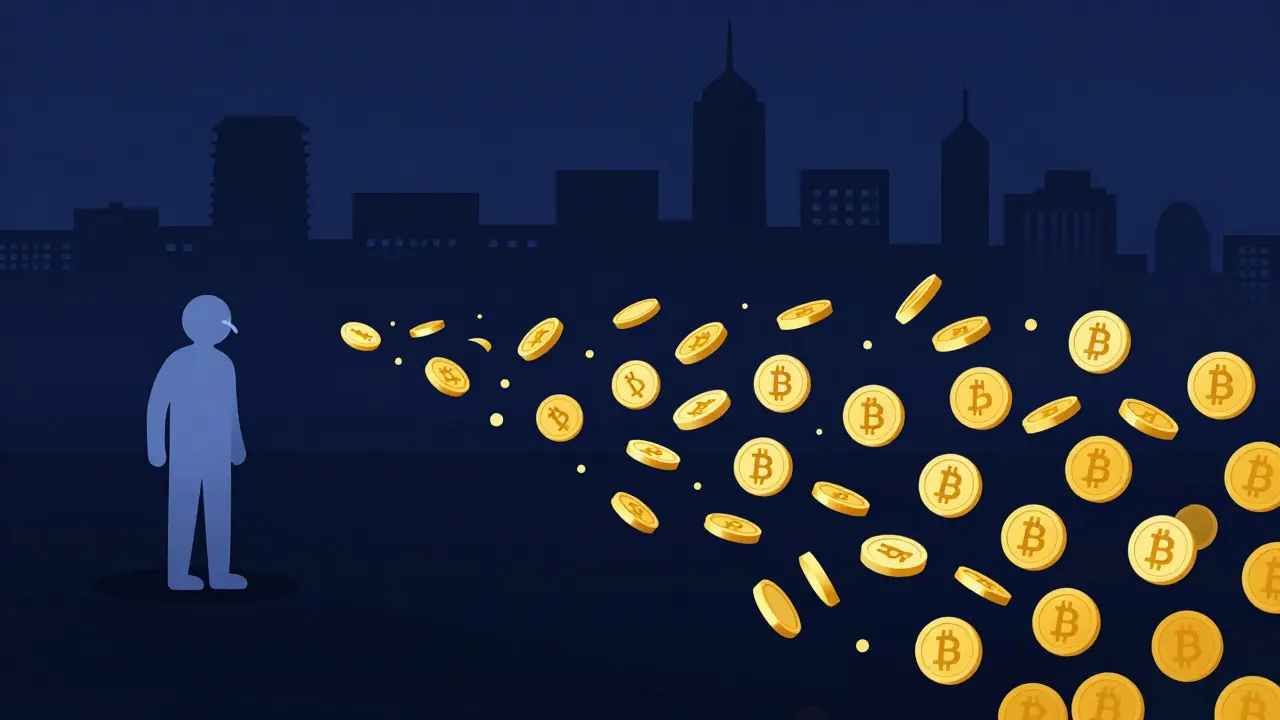
Imagine waking up to find your life savings gone, vanished into a digital wallet in a country you've never visited. For thousands of Americans, this nightmare became a reality in 2024. The scale of the problem is staggering: U.S. government estimates show that Americans lost over $10 billion to Southeast Asia-based scams in a single year. To stop the bleeding, the U.S. government has stepped in with a massive hammer, targeting the infrastructure and the people behind these virtual currency frauds.
The Crackdown on the Shwe Kokko Hub
On September 8, 2025, the Office of Foreign Assets Control is the agency of the U.S. Department of the Treasury responsible for administering and enforcing economic and trade sanctions. Also known as OFAC, it launched a comprehensive strike against the networks operating in Southeast Asia, specifically focusing on the notorious region of Shwe Kokko in Myanmar. This area isn't just a town; it's a high-tech fortress for cybercrime.
The U.S. Treasury targeted nine specific entities in Shwe Kokko that act as the engine for virtual currency investment scams. These aren't just small-time hackers in basements; they are industrial-scale operations. The sanctions are designed to freeze any assets these entities hold within U.S. jurisdiction and ban any U.S. person or company from doing business with them. By cutting off the financial oxygen, the U.S. hopes to dismantle the physical and digital infrastructure that allows these scams to thrive.
Who is the Karen National Army?
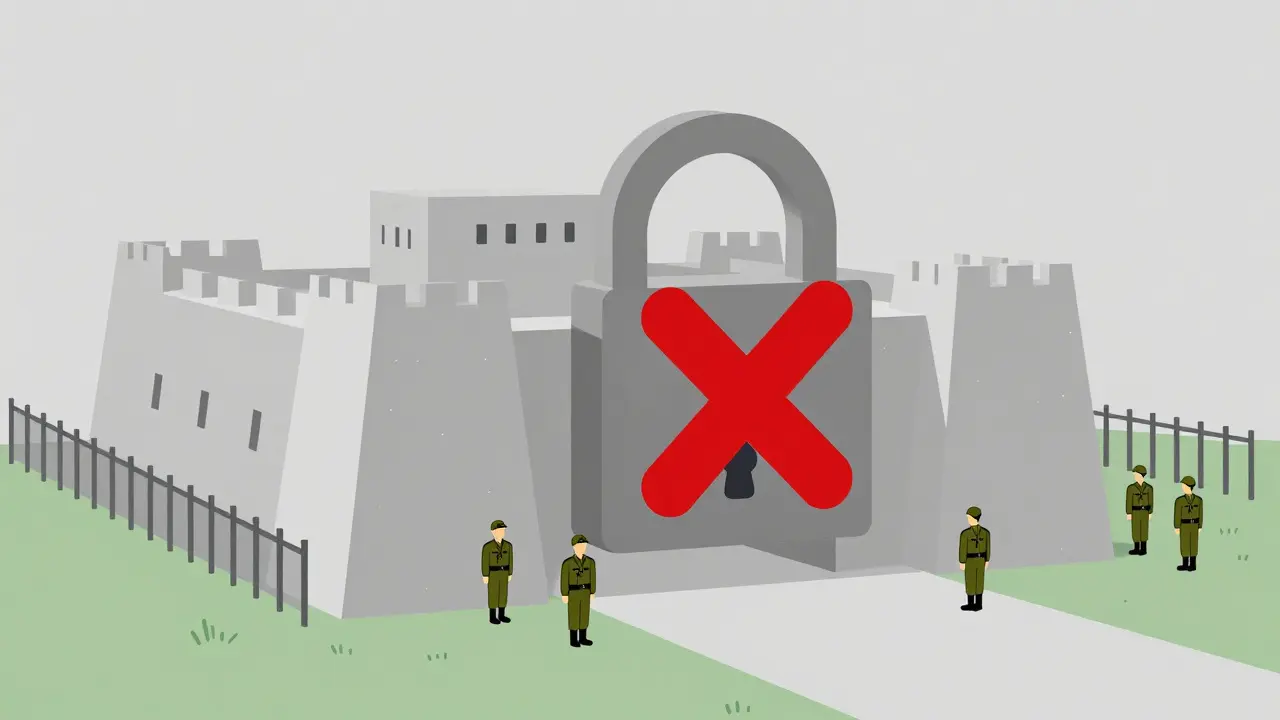
You can't talk about the crypto scams in Myanmar without talking about the muscle protecting them. Enter the Karen National Army, a transnational criminal organization that provides security and operational cover for cyber scam syndicates in exchange for financial kickbacks. Commonly referred to as the KNA, this group and its leadership-Saw Chit Thu and his sons, Saw Htoo Eh Moo and Saw Chit Chit-were specifically named in the sanctions.
The KNA does more than just collect a "protection fee." They maintain a symbiotic relationship with the military regime in Burma, ensuring that the scam compounds in Shwe Kokko remain undisturbed by local law enforcement. This creates a lawless zone where criminal kingpins can operate with total impunity, knowing they have a private army guarding their servers and their staff.
The Dark Side: Modern Slavery and Crypto Fraud
There is a horrifying human cost to these US sanctions on Myanmar crypto entities. These scam centers aren't staffed by willing employees. Instead, they are hubs for modern slavery. Thousands of people are lured to these compounds with fake job offers, only to have their passports seized and be forced to work under threat of violence.
Once inside, these victims are coerced into performing social engineering attacks. They use a combination of psychological manipulation and cryptocurrency transactions to trick Americans into "investing" in fake platforms. Because cryptocurrency allows for rapid, pseudo-anonymous transfers, the scammers can move stolen funds through a complex web of wallets, making it incredibly difficult for victims to recover their money. It is a dual criminal enterprise: human trafficking on the inside, and financial fraud on the outside.
| Executive Order (E.O.) | Primary Target/Focus | Goal of Sanction |
|---|---|---|
| E.O. 13851 | Transnational Criminal Organizations | Dismantle global crime networks |
| E.O. 13694 | Malicious Cyber-Enabled Activities | Stop state and non-state cyberattacks |
| E.O. 13818 | Serious Human Rights Abuse | Punish forced labor and violence |
| E.O. 14014 | Burma Stability Threats | Address geopolitical instability in Myanmar |
Connecting the Dots: From Myanmar to Cambodia
The U.S. government knows that these networks don't stop at the border. While Shwe Kokko is a primary hub, the sanctions also targeted ten additional entities based in Cambodia. This shows that the Treasury is targeting the entire operational ecosystem. The Myanmar sites often serve as the "front end" for the scams, while the Cambodian entities handle the financial plumbing, moving illicit funds through various channels to hide the paper trail.
By hitting both regions simultaneously, the U.S. is attempting to break the chain of money laundering. If the scammers can't move the money out of the region or convert it into usable assets without triggering alerts, the business model begins to collapse. The coordination between the FBI, Secret Service, and international partners has allowed the U.S. to map these ownership structures with unprecedented precision.
How to Spot a Southeast Asian Crypto Scam
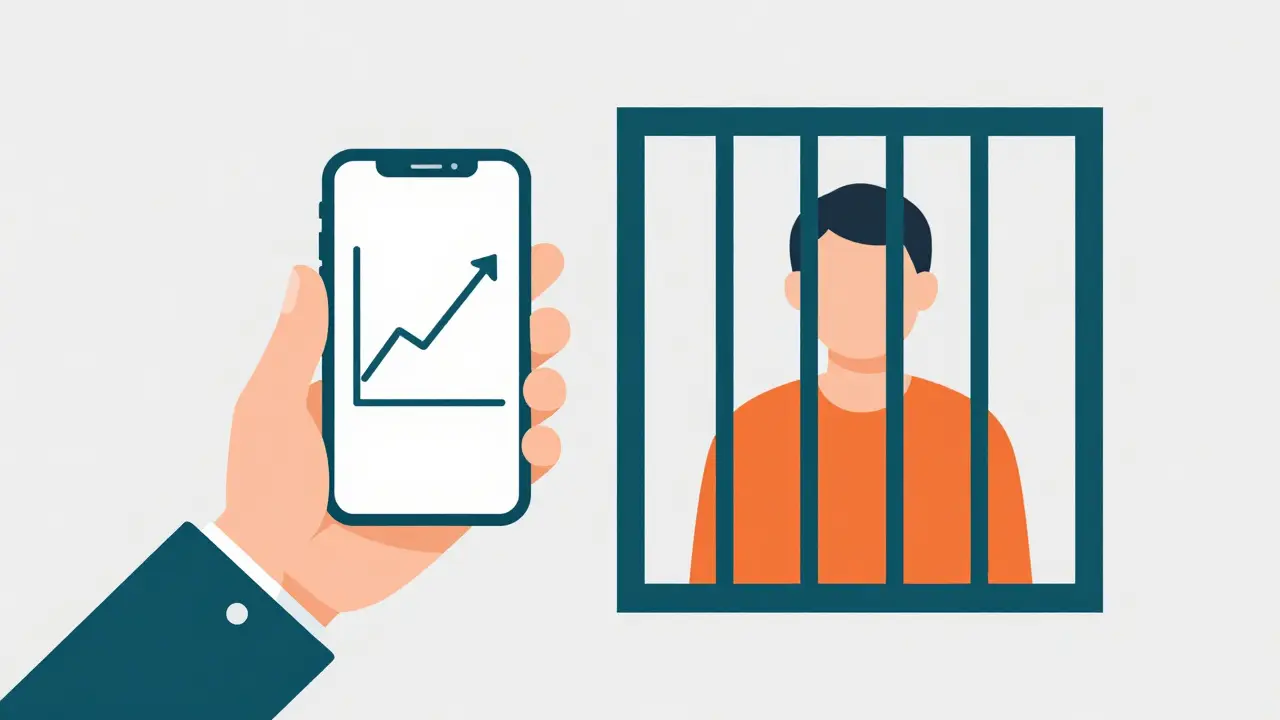
Since these networks are constantly evolving, you need to know the red flags. Most of these operations follow a similar playbook: they start with a "wrong number" text or a friendly approach on a social media app. They eventually steer you toward a "guaranteed" investment opportunity in a new cryptocurrency or a trading bot.
- The "Pig Butchering" Tactic: They build a relationship with you over weeks (fattening the pig) before asking you to invest (the slaughter).
- Urgency and Pressure: They claim a "limited time offer" is available and pressure you to move your funds quickly.
- Unknown Platforms: They ask you to deposit money into a website or app that isn't listed on major exchange registries.
- Requests for More Money: When you try to withdraw your "profits," they demand a "tax" or "withdrawal fee" first. This is a classic sign of a scam.
The Road Ahead: Will Sanctions Work?
Sanctions are a powerful tool, but they aren't a magic wand. The KNA and its associates are experts at evasion. They may try to shift their operations to other semi-autonomous zones or create new shell companies to bypass OFAC lists. However, the 2025 crackdown is different because it targets the physical infrastructure and the human rights abuses simultaneously.
By linking financial crime to modern slavery, the U.S. is bringing in a wider array of legal tools. It's no longer just about a stolen Bitcoin; it's about human trafficking. This increases the political pressure on regional governments to actually raid these compounds and arrest the kingpins, rather than just looking the other way.
What exactly does it mean for an entity to be sanctioned by OFAC?
When OFAC sanctions an entity, it effectively freezes all its assets within the United States. More importantly, it makes it illegal for any "U.S. person"-which includes U.S. citizens, permanent residents, and any company incorporated in the U.S.-to engage in any financial or commercial transactions with that entity. This cuts them off from the U.S. financial system and warns global banks that dealing with them carries a high risk of secondary sanctions.
Why is Shwe Kokko such a popular place for these scams?
Shwe Kokko is located in a region with limited central government oversight and is protected by the Karen National Army (KNA). This creates a "safe haven" where criminal organizations can build massive compounds, install high-speed internet, and operate without fear of police raids. The lack of legal jurisdiction makes it the perfect environment for high-tech fraud and forced labor.
Can I get my money back if I was scammed by these entities?
Recovering cryptocurrency is notoriously difficult because transactions are irreversible. However, you should immediately report the fraud to the FBI's Internet Crime Complaint Center (IC3) and your local law enforcement. While the sanctions target the criminals, they also help authorities track the flow of funds, which is the first step toward any potential recovery effort.
What is the connection between crypto scams and human trafficking?
Many of the people operating the scam accounts are actually victims themselves. They are lured to Southeast Asia with promises of high-paying tech jobs, only to be kidnapped and forced to work in "scam factories." They are often beaten or threatened with death if they fail to meet their daily quotas of defrauding victims, meaning the very people you are chatting with online are often prisoners.
Do these sanctions affect regular crypto users in Myanmar?
The sanctions specifically target the designated criminal entities, the KNA leadership, and the operational frameworks of the scam centers. They are not a blanket ban on all cryptocurrency use in Myanmar. However, users should be extremely careful not to inadvertently interact with any wallets or platforms associated with the sanctioned entities, as this could lead to legal issues with U.S. regulators.