Wagmi (Kava) Exchange Review: Is It Safe or Just a Dead End?
 Jul, 20 2026
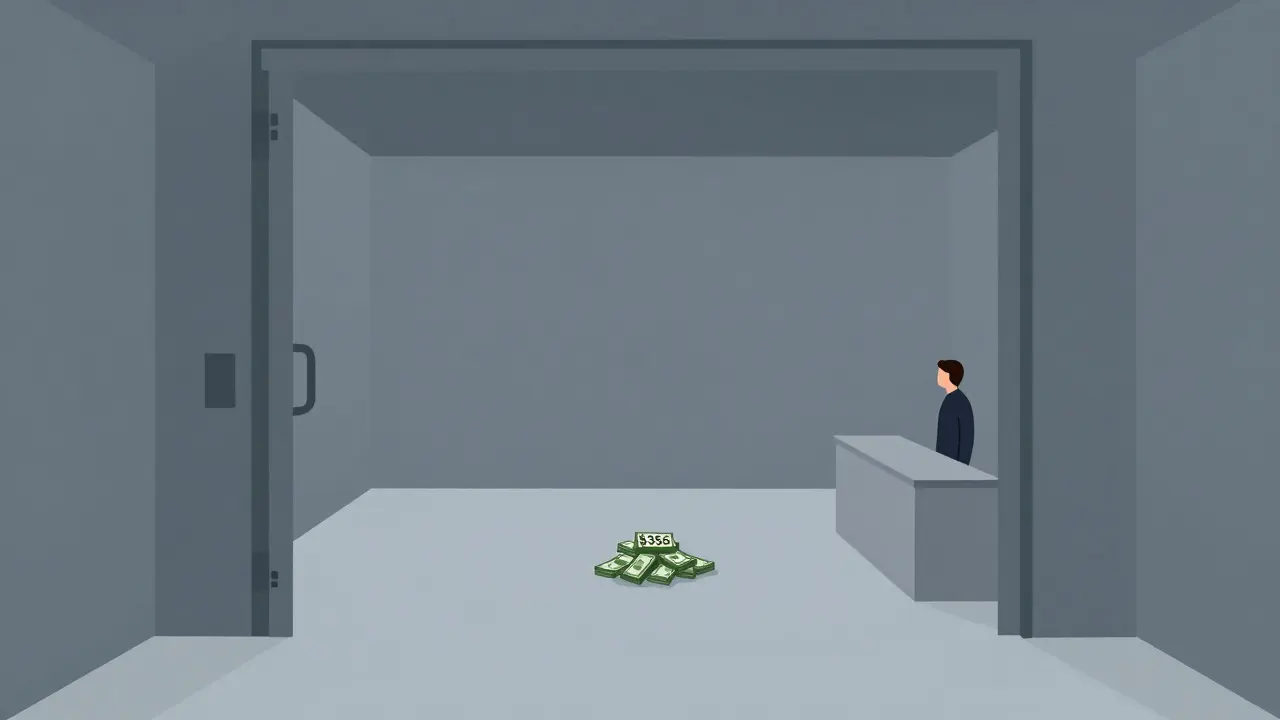
Imagine walking into a bank where the teller has exactly $356 in the vault. You want to swap your assets, but there’s barely enough cash to buy a coffee. That is essentially what trading on Wagmi (Kava) is like right now.
You might have seen the name pop up while browsing decentralized exchanges (DEXs) on the Kava blockchain. The branding sounds familiar-"WAGMI" is a popular meme in crypto culture standing for "We’re All Gonna Make It." But does this platform actually help you make it, or is it just another empty shell in the vast DeFi landscape? As of mid-2026, the answer leans heavily toward caution. This isn’t a review of a thriving marketplace; it’s an autopsy of a niche platform that struggles to stay alive.
The Stark Reality: Volume and Liquidity Crisis
When you evaluate any exchange, centralized or decentralized, liquidity is king. Without it, you face massive slippage-meaning if you try to sell $1,000 worth of tokens, you might only get $800 because there are no buyers waiting at fair prices. The data for Wagmi (Kava) paints a grim picture.
According to analytics from JustScreener in late 2025, the platform recorded a 24-hour trading volume of just $356. Let that sink in. While industry giants like Uniswap were processing over $1.2 billion daily in Q3 2025, Wagmi was moving less money than a single busy retail store makes in lunch breaks. This lack of volume means the order books-or rather, the automated market maker pools-are incredibly thin.
| Exchange | 24h Volume (Approx.) | Trading Pairs | User Base Estimate |
|---|---|---|---|
| Uniswap | $1.2 Billion+ | 12,450+ | Millions weekly |
| PancakeSwap | $850 Million+ | 8,700+ | Millions weekly |
| Wagmi (Kava) | $356 | 10 | ~4,900 visits/week |
This discrepancy creates a dangerous environment for traders. If you attempt a trade larger than a few dollars, you will likely eat significant losses due to price impact. For serious investors, Wagmi (Kava) currently offers no practical utility compared to established alternatives.
What Can You Actually Trade?
Beyond the liquidity issues, the selection of assets on Wagmi is severely limited. Coingecko data indicates the platform supports only 5 cryptocurrencies across 10 trading pairs. In the world of DeFi, where new tokens launch daily, having access to just five coins is restrictive.
Most users turn to DEXs to find early gems or obscure tokens not listed on centralized exchanges. However, with such a narrow roster, Wagmi fails to serve even this niche purpose effectively. The Kava ecosystem itself is robust, featuring major assets like USDT, BTCB, and KAVA token, yet Wagmi doesn't seem to leverage the full breadth of its host chain. Instead, it operates as a tiny island disconnected from the broader flow of capital within the Kava network.

Security and Trust: The Silent Risks
In decentralized finance, you are your own bank. But that assumes the smart contracts governing the exchange are secure. One of the most glaring omissions in Wagmi’s profile is the lack of publicized security audits. Major platforms proudly display certificates from firms like CertiK or OpenZeppelin. Wagmi’s documentation, found at docs.wagmi.com, focuses on fee structures but remains silent on audit history.
Without verified audits, you are trusting code that may contain vulnerabilities. Given the platform's low activity, it’s also unclear if the development team is actively monitoring for exploits or simply maintaining the site on autopilot. The absence of expert analysis from reputable sources like CoinDesk or The Block further suggests that the project hasn't passed basic due diligence checks by industry watchdogs.
User Experience and Community Engagement
A healthy crypto project usually buzzes with community activity. Developers share updates, users discuss strategies, and support teams answer questions. Wagmi (Kava) feels eerily quiet. Traffic metrics show approximately 4,907 weekly visits-a drop in the bucket compared to mainstream DEXs. More concerning is the state of their social channels.
Their Discord server and Telegram group, which should be hubs of activity, show minimal engagement. Public analytics suggest fewer than 100 active members in their Telegram channel as of late 2025. When you ask a question in these spaces, do you get an answer? Likely not. The Fear & Greed Index associated with the platform hovers around 38, indicating fear, but this might reflect general market sentiment rather than specific confidence in Wagmi.
For a user trying to navigate wallet connections or transaction errors, this lack of support is frustrating. You’ll need to rely on standard Ethereum-compatible wallets like MetaMask, but without clear guides tailored to Wagmi’s specific quirks, troubleshooting becomes a guessing game.
The Kava Ecosystem Context
To understand Wagmi’s position, we must look at the ground it stands on: the Kava blockchain. Kava is a legitimate player in the DeFi space, built using Cosmos SDK technology with Ethereum Virtual Machine (EVM) compatibility. Founded in 2018, Kava launched its mainnet in 2019 and has since grown significantly. By June 2025, HelloSafe reported Kava’s Total Value Locked (TVL) reached €280 million, ranking it among the top 20 DeFi ecosystems globally.
So why is Wagmi struggling when its host chain is thriving? The disconnect suggests that Wagmi is either a neglected component of the ecosystem or a third-party experiment that failed to gain traction. Kava’s recent "Kava 16" update drove a sharp uptick in unique addresses and daily active users, but these benefits did not spill over to Wagmi. Users are flocking to more integrated and liquid venues within the Kava network, leaving Wagmi behind.
Verdict: Who Should Use Wagmi (Kava)?
Let’s be direct. For 99% of crypto traders, Wagmi (Kava) is not recommended. The combination of microscopic liquidity, limited asset selection, and absent security transparency makes it a high-risk, low-reward option. You would use this exchange only if:
- You are testing a very small amount (<$10) out of curiosity.
- You specifically need one of the five supported pairs that is unavailable elsewhere (rare).
- You are deeply embedded in the Kava ecosystem and want to support experimental infrastructure.
For everyone else, sticking to established DEXs like Uniswap, PancakeSwap, or native Kava integrations like Kava Lend ensures better pricing, higher security standards, and reliable support. Don’t let the catchy name fool you. In crypto, liquidity is life, and Wagmi is currently gasping for air.
Is Wagmi (Kava) a safe exchange to use?
Safety is questionable due to the lack of public smart contract audits and extremely low liquidity. While it is non-custodial (you hold your keys), the risk of interacting with unaudited code or suffering massive slippage on trades makes it risky for significant amounts.
Why is the trading volume on Wagmi so low?
The low volume ($356/24h) indicates a lack of user adoption and liquidity incentives. Most traders prefer larger DEXs with deeper pools to ensure better prices and faster execution. Wagmi has failed to attract the necessary liquidity providers to compete.
Can I connect MetaMask to Wagmi?
Yes, Wagmi is designed for Ethereum-compatible wallets like MetaMask because it operates on the Kava EVM. However, ensure you add the correct Kava network RPC details to your wallet before connecting to avoid sending funds to the wrong chain.
How does Wagmi compare to Uniswap?
Uniswap is vastly superior in every metric. Uniswap handles billions in daily volume, supports thousands of tokens, and has rigorous security audits. Wagmi supports only 5 coins and has negligible volume, making it unsuitable for serious trading.
Is Wagmi part of the official Kava ecosystem?
It operates on the Kava blockchain, but it appears to be a niche or third-party integration rather than a core protocol promoted by the Kava Foundation. Core Kava DeFi apps like Kava Lend or Hardvax receive more attention and liquidity.