What is Verge (XVG) Crypto? Privacy Features, Risks, and 2026 Status
 Jul, 27 2026
Remember when buying something online felt like leaving a trail of breadcrumbs for advertisers? That was the reality before privacy coins tried to change the game. Verge (XVG) is a decentralized, open-source cryptocurrency designed to hide your IP address and location data during transactions. It launched in 2014 as "DogecoinDark" and rebranded to Verge in 2016 to appeal to everyday users who wanted Bitcoin-like payments without the surveillance.
In 2026, Verge occupies a strange spot in the crypto world. It’s not a top-tier giant like Bitcoin or Ethereum, nor is it a dead project. It sits in the middle-a niche payment coin with a passionate but skeptical community. You might have heard of it from its famous 2018 partnership with Pornhub, which gave it mainstream visibility, or you might be digging into it now because of its recent move onto the Ethereum network. But does it actually protect your privacy? And is it safe to hold?
The Origin Story: From Doge to Privacy
To understand Verge, you have to look at where it started. In 2014, developer Justin Sunerok (also known as Justin Valo) created DogecoinDark. The goal was simple: take the fun, fast nature of Dogecoin and add anonymity. At the time, Bitcoin was transparent-every transaction was public on the ledger. If someone knew your Bitcoin address, they could see everything you bought.
By 2016, the team realized that "DogecoinDark" sounded too niche. They rebranded to Verge to signal a shift toward everyday commerce. The mission wasn’t just about hiding money; it was about making payments easy, fast, and private for regular people. This branding helped it climb the ranks quickly. By late 2017, Verge was ranked #18 on CoinMarketCap, riding the wave of the broader crypto bull market.
However, popularity brought scrutiny. As we’ll see later, the technical foundation of Verge faced significant challenges that would shape its reputation for years to come.
How Verge Hides Your Identity
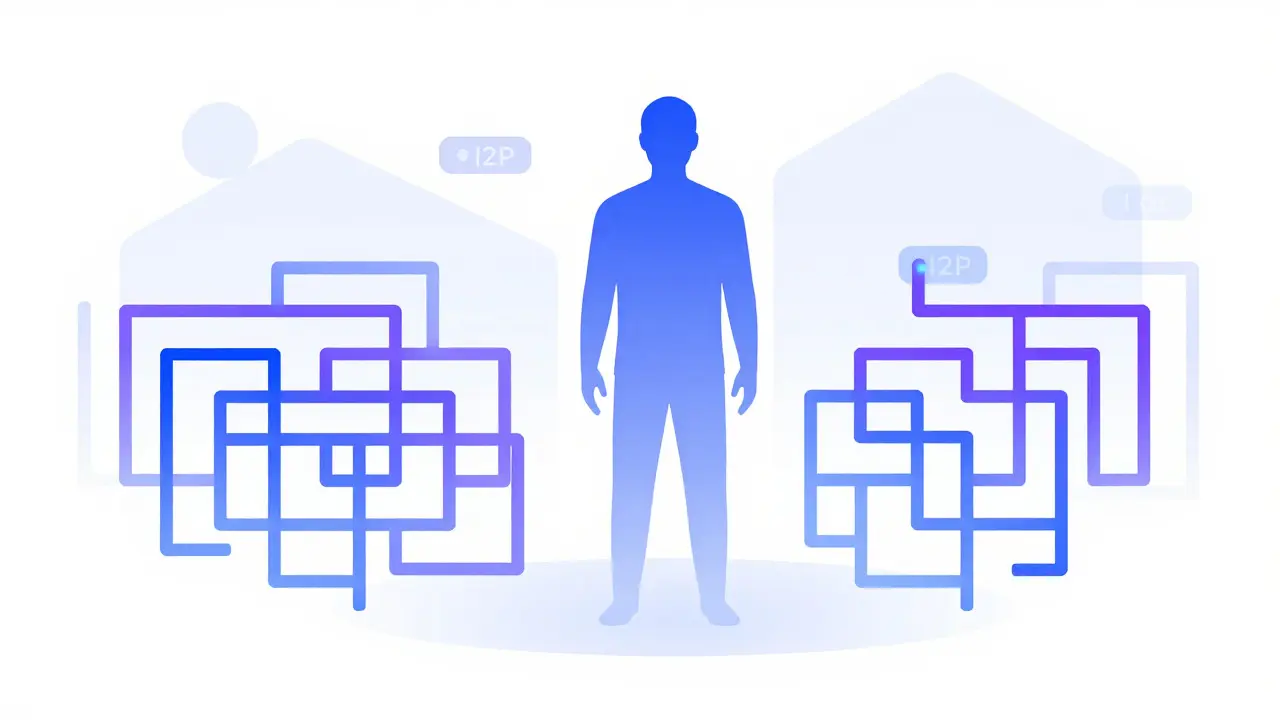
Unlike Monero, which uses complex cryptography to hide transaction details on the blockchain itself, Verge takes a different approach. It focuses on network-layer obfuscation. Think of it this way: if Bitcoin is sending a postcard through a clear envelope, Verge tries to send that postcard through a maze of secret tunnels so no one knows where it came from or where it’s going.
Here are the core technologies Verge uses:
- Tor Integration: The Tor network routes your internet traffic through multiple servers worldwide. Verge’s wallet connects to the blockchain via Tor by default, masking your IP address.
- I2P (Invisible Internet Project): Similar to Tor, I2P provides another layer of anonymity for peer-to-peer communications. Verge supports both networks to ensure redundancy.
- Stealth Addresses: When you receive XVG, the sender creates a unique, one-time address for that specific transaction. This prevents outsiders from linking multiple payments to your main public address.
- Wraith Protocol: This feature allows users to choose between a public ledger (for businesses needing transparency) and a private ledger (for individuals wanting secrecy). In private mode, transaction metadata is obscured further.
This approach makes Verge easier to use than some heavy-duty privacy coins. You don’t need to be a cryptographer to turn on Tor in your wallet. However, critics argue that hiding your IP isn’t the same as hiding your transaction history on the blockchain itself.
Tokenomics: Supply and Scarcity
One thing Verge gets right is its supply model. There is a hard cap on the total number of coins that will ever exist.
| Attribute | Value |
|---|---|
| Maximum Supply | 16.5 Billion XVG |
| Circulating Supply (Mid-2026) | ~16.52 Billion XVG (Nearly 100% mined) |
| Consensus Mechanism | Proof-of-Work (Multi-algorithm) |
| Block Time | Approximately 30 seconds |
| Confirmation Speed (SPV) | ~5 seconds |
As of mid-2026, almost all Verge coins have been mined. This means there is no more inflation from new block rewards. For investors, this fixed supply can be appealing because it eliminates the risk of dilution. Unlike fiat currencies that central banks can print endlessly, XVG has a finite limit. However, scarcity alone doesn’t guarantee value-it depends entirely on demand.
The Security Elephant in the Room
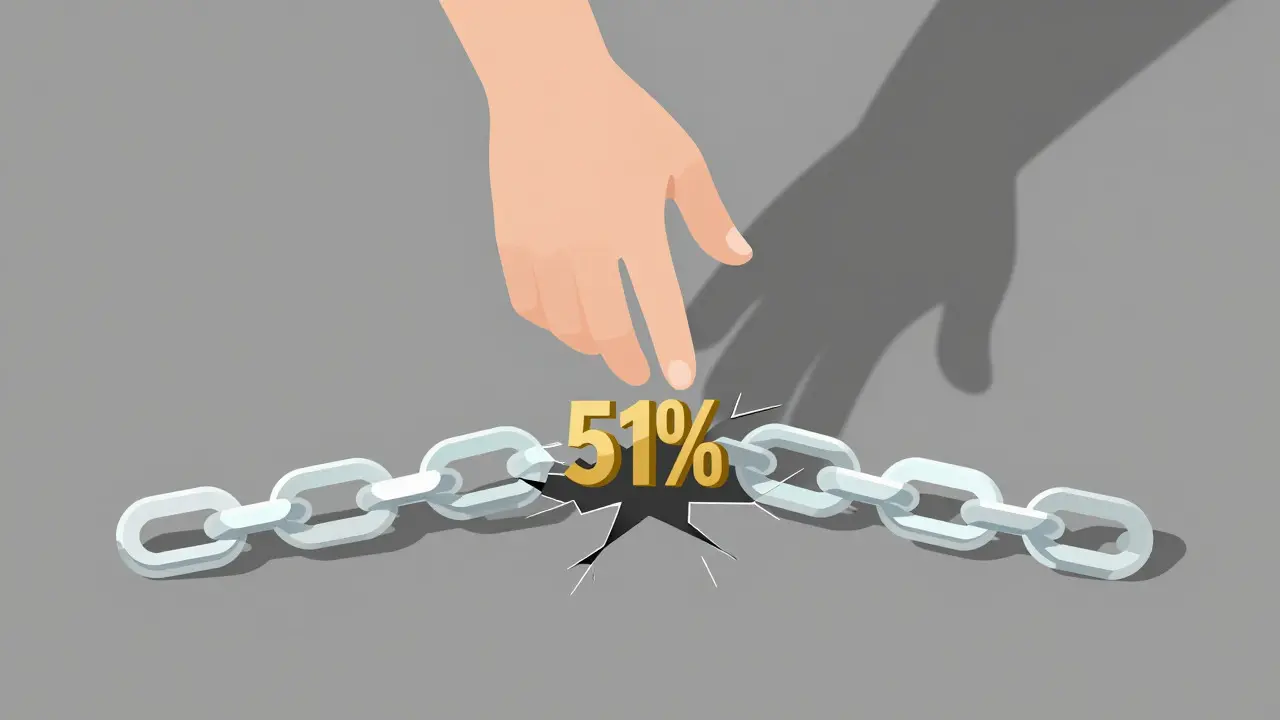
If you’re researching Verge, you’ve probably seen headlines about "51% attacks." This is the biggest controversy surrounding the coin. A 51% attack happens when a single entity controls more than half of the network’s mining power. This allows them to reverse transactions, double-spend coins, and block new blocks.
In April 2018, Verge suffered a severe 51% attack due to a flaw in its difficulty retargeting algorithm. Attackers exploited this bug to mine blocks faster than intended, effectively taking over the chain. The community reaction was harsh, with many calling it a "shitcoin" on Reddit forums. Bitcoin Magazine published a critical analysis titled "Battle Of The Privacycoins: Verge Offers Little Privacy And Nothing Unique," pointing out that these attacks undermined trust in the network’s immutability.
While the core protocol has been patched since then, these incidents left a lasting mark. Compared to competitors like Monero (which uses RingCT signatures) or Zcash (which uses zk-SNARKs), Verge’s privacy guarantees were always considered weaker. Its reliance on Tor/I2P is useful, but if the underlying blockchain is compromised, those layers offer limited protection.
Verge in 2026: New Developments
Despite its rocky past, Verge hasn’t disappeared. In fact, July 2026 marked a significant pivot for the project. The official Verge website announced the launch of an ERC-20 token version of Verge on the Ethereum network.
Why does this matter? Historically, Verge lived on its own standalone blockchain. While this gave it independence, it also isolated it from the massive ecosystem of decentralized finance (DeFi) applications on Ethereum. By creating an ERC-20 version, XVG holders can now:
- Use Verge in Ethereum-based decentralized exchanges (DEXs).
- Participate in liquidity pools.
- Interact with smart contracts and other DeFi protocols.
This move suggests the developers are trying to bridge the gap between their legacy PoW chain and modern crypto trends. It’s a strategic attempt to increase utility and liquidity, even if the native chain remains focused on simple payments.
Market Performance and Volatility
Verge is the definition of volatility. Let’s look at the numbers to set realistic expectations.
- All-Time High (2017/2018): Approximately $0.30 per XVG. Market cap peaked around $3.7 billion.
- 2021 Peak: Around $0.06 per XVG. Market cap reached ~$1 billion.
- Mid-2026 Status: Price hovers between $0.002 and $0.003. Market cap is roughly $35-55 million.
That’s a drop of over 97% from its peak. If you bought Verge at its height, you’d need a miracle to break even. However, for new entrants in 2026, the low price tag often attracts speculative traders hoping for a comeback story. Remember, though: a cheap coin isn’t necessarily a good investment. With a market cap under $100 million, Verge is classified as a small-cap asset, meaning it’s highly susceptible to manipulation and large swings based on news cycles.
How to Buy and Store Verge Safely
If you decide to buy XVG, here’s how to do it securely in 2026.
- Choose a Reputable Exchange: Verge is still listed on major platforms like Binance, Kraken, HitBTC, and Bitvavo. Avoid obscure exchanges with low liquidity. Check CoinGecko or CoinMarketCap for real-time trading pairs.
- Set Up a Wallet:
- Desktop: Use the official Verge Core QT wallet. It integrates Tor directly and offers the best security features.
- Mobile: The Android wallet is a fork of Coinomi. Ensure you download it only from official sources to avoid malware.
- Ethereum Users: If you hold the new ERC-20 XVG, you can use MetaMask or Trust Wallet.
- Enable Privacy Features: In the Core wallet, make sure Tor routing is enabled. Consider using stealth addresses for receiving funds to enhance anonymity.
- Keep Software Updated: Given the history of exploits, always run the latest version of your wallet software to benefit from security patches.
Verge vs. Other Privacy Coins
How does Verge stack up against its rivals? Here’s a quick comparison.
| Feature | Verge (XVG) | Monero (XMR) | Zcash (ZEC) |
|---|---|---|---|
| Privacy Method | Tor/I2P + Stealth Addresses | Ring Signatures + RingCT | zk-SNARKs |
| Blockchain Transparency | Public (unless Wraith Private Mode used) | Fully Private by Default | Selective Transparency |
| Security Track Record | Suffered 51% Attacks (2018) | No Major Consensus Attacks | Generally Stable |
| Usability | High (Easy to use) | Medium (Higher fees/data) | Medium |
| Market Position (2026) | Small Cap (#500+) | Top 20 | Top 50 |
Monero is widely regarded as the gold standard for privacy because every transaction is untraceable by default. Verge requires you to actively enable privacy features, and even then, it doesn’t hide the transaction amount or sender/receiver data on the blockchain itself-only the IP address. If true anonymity is your priority, Monero is likely the safer bet. If you want a lightweight, fast payment coin with basic privacy tools, Verge might suffice.
Is Verge Worth It in 2026?
Let’s cut through the hype. Verge is a survivor. It has endured crashes, attacks, and criticism, yet it remains active. The recent ERC-20 launch shows the team is trying to adapt to modern DeFi trends. For some users, this resilience is attractive.
However, you should go in with eyes open. Verge is not a blue-chip investment. It carries higher security risks than Bitcoin or Monero. Its privacy features are good for casual anonymity but won’t stand up to advanced forensic analysis. If you’re looking for a speculative play with potential upside from new integrations, XVG fits the bill. If you’re seeking robust, bulletproof privacy, you might want to look elsewhere.
Always do your own research. Never invest more than you can afford to lose, especially in small-cap altcoins with volatile histories.
Is Verge (XVG) anonymous?
Verge offers pseudonymity rather than full anonymity. It hides your IP address using Tor and I2P networks, and it uses stealth addresses to generate unique receiving keys. However, unlike Monero, the transaction amounts and links between inputs and outputs remain visible on the public blockchain unless you use the optional Wraith Protocol private mode. It is private enough for casual use but not foolproof against sophisticated tracking.
What happened to Verge in 2018?
In April 2018, Verge suffered a 51% attack due to a bug in its difficulty adjustment algorithm. This allowed attackers to control block production and potentially double-spend coins. This event significantly damaged trust in the project and led to widespread criticism from the crypto community, labeling it as less secure than other privacy coins.
Can I buy Verge on Coinbase?
As of mid-2026, availability varies by region. While Coinbase previously listed XVG, it may have delisted it due to lower trading volumes. Currently, Verge is actively traded on exchanges like Binance, Kraken, HitBTC, and Bitvavo. Always check current listings on CoinGecko or CoinMarketCap before attempting to purchase.
What is the maximum supply of Verge?
The maximum supply of Verge is capped at 16.5 billion XVG. As of 2026, nearly 100% of these coins have been mined, meaning there is no longer any inflationary pressure from new block rewards. This fixed supply is similar to Bitcoin’s model.
What is the new ERC-20 Verge token?
Announced in July 2026, the ERC-20 version of Verge allows XVG to exist on the Ethereum blockchain. This enables users to interact with Ethereum-based decentralized finance (DeFi) apps, such as DEXs and liquidity pools, expanding Verge’s utility beyond its native Proof-of-Work chain.
Is Verge safe to store?
Yes, provided you use official wallets. The Verge Core QT wallet for desktop and the official Android app are recommended. Always ensure your software is up-to-date to protect against vulnerabilities. For long-term storage, consider using hardware wallets that support XVG, though compatibility should be verified first.