What is ZooKeeper (ZOO)? A Guide to the Multi-Chain DeFi & NFT Token
 Jul, 15 2026
Have you ever seen a cryptocurrency that claims to combine video game mechanics, non-fungible tokens (NFTs), and decentralized finance (DeFi) into one messy but potentially rewarding package? That’s exactly what ZooKeeper (ZOO) is trying to be. It’s not just another coin hoping for a pump; it’s a utility token designed to fuel a specific ecosystem where your rewards depend on how much you stake and what digital assets you hold.
If you’re clicking this because you saw ZOO on a chart or heard about it in a niche crypto community, you probably have questions. Is it safe? How do you actually make money with it? And why does the supply number seem all over the place? Let’s break down ZooKeeper without the hype, looking at the hard data from its listings on major trackers like CoinMarketCap and CoinGecko.
What Exactly is ZooKeeper?
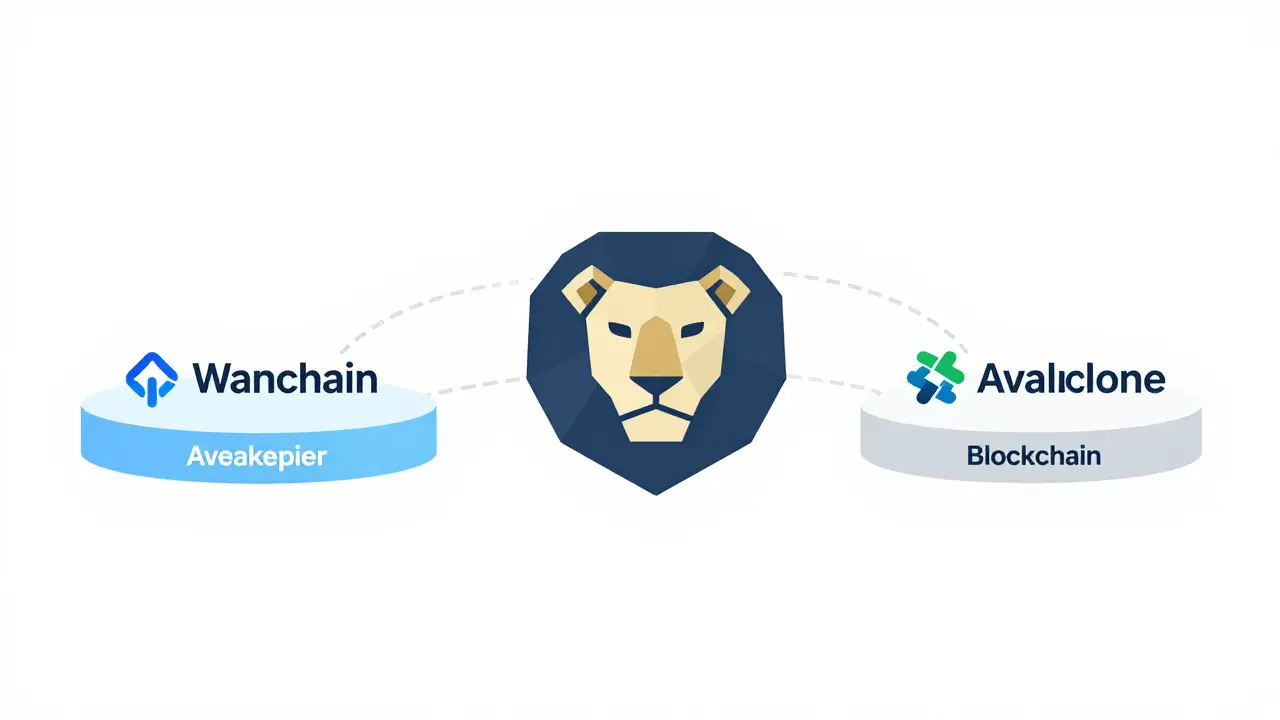
At its core, ZooKeeper is a multi-chain decentralized application (dApp). It operates primarily on two blockchains: Wanchain and Avalanche. The project describes itself as an "innovative" platform that uses NFTs to boost liquidity mining rewards.
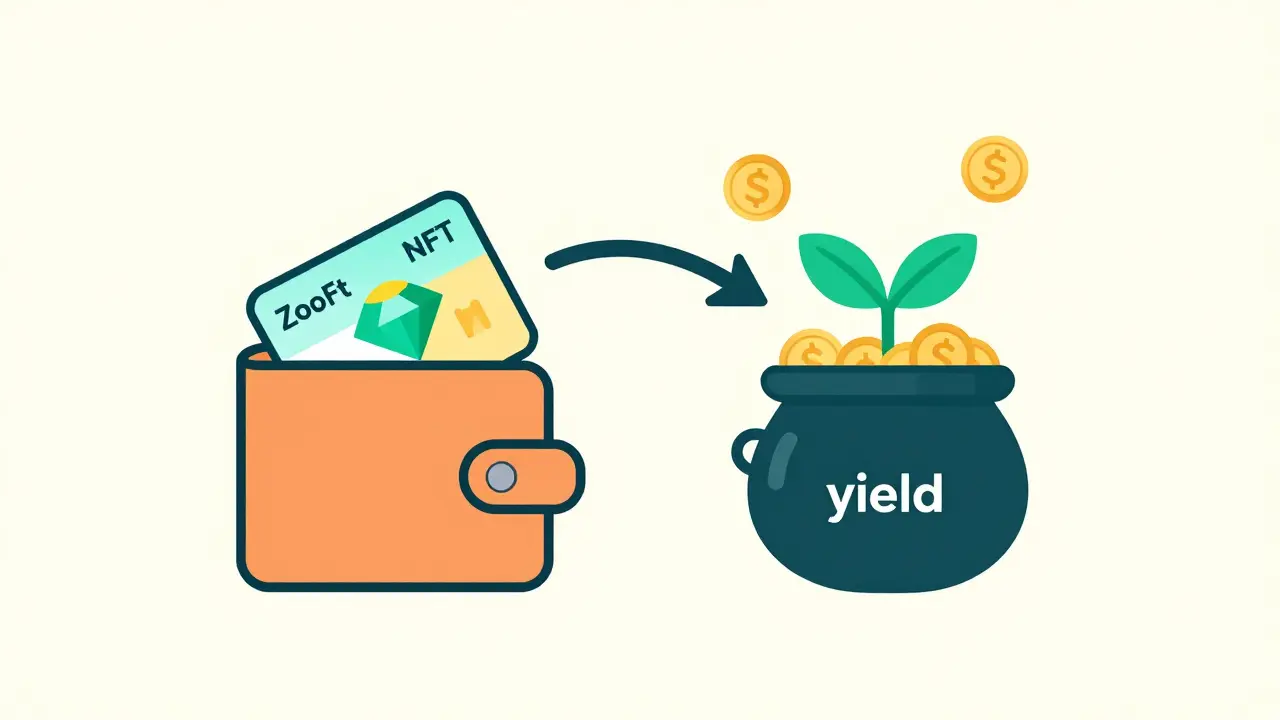
Think of it like this: In traditional DeFi, you provide liquidity to a decentralized exchange (like Wanswap or Trader Joe) and earn trading fees plus some governance tokens. With ZooKeeper, you take those liquidity provider (LP) tokens and deposit them into their system. If you also hold special NFTs called ZooNFTs, your reward rate goes up. It’s a gamified layer on top of standard yield farming.
The native currency of this ecosystem is the ZOO token. You use ZOO to participate in farming, stake for NFTs, and trade within their marketplace. There is also a wrapped version called vZOO, which helps move value between the different chains seamlessly.
How the Ecosystem Works: More Than Just Staking
ZooKeeper isn’t a simple "stake and forget" protocol. It’s built around four main modules that create a loop of activity:
- The Zoo: This is where the actual farming happens. You deposit LP tokens here to earn ZOO rewards.
- The Expedition: Here, you can stake your ZOO tokens to earn ZooNFTs. These aren't just pictures; they are functional keys that boost your earnings elsewhere.
- Crafting: Users can combine or enhance their NFTs here, likely increasing their rarity or boosting power.
- The Market: An integrated place to buy, sell, or trade these ZooNFTs.
The key takeaway is that the NFTs have a "real use case." They don’t just sit in your wallet looking pretty. They actively increase the amount of ZOO you earn when providing liquidity. This creates demand for the NFTs, which in turn drives activity back into the staking pools.
Tokenomics: The Supply Confusion
This is where things get tricky for new investors. When you look at the tokenomics of ZOO, you’ll see conflicting numbers depending on whether you read the project description or the live market data. Let’s clear that up.
The Official Model: According to CoinMarketCap’s project details, ZOO has a dynamic emission model. No tokens were pre-mined, and there was no presale. Instead, ZOO is mined at a constant rate of 10 ZOO per block. The total supply was supposed to be dynamic, ranging between a minimum of 155 million and a maximum of 393 million ZOO. This cap depended on user behavior-specifically, how many NFT boosts were active and how long users locked their tokens.
The Reality Check: However, current live data tells a different story. Both CoinMarketCap and CoinGecko report a circulating supply of approximately 470 million to 471 million ZOO. The total supply listed is often higher, around 485 million. This means the actual supply has exceeded the originally stated maximum of 393 million.
| Metric | Official Description | Live Data (Approx.) |
|---|---|---|
| Emission Rate | 10 ZOO per block | 10 ZOO per block |
| Max Supply (Stated) | 393,000,000 ZOO | N/A (Exceeded) |
| Circulating Supply | Dynamic based on locks | ~470,690,000 ZOO |
| Farming Allocation | 77% | High inflationary pressure |
Why does this matter? Because 77% of the token allocation is dedicated to farming rewards. With a supply that keeps growing past its initial caps, ZOO faces significant inflationary pressure. If demand doesn’t outpace the new tokens entering circulation every block, the price will naturally face downward pressure.
Where Can You Buy ZOO?
You won’t find ZOO on the biggest centralized exchanges like Binance or Coinbase for active trading. While Binance and Coinbase might list the token for informational purposes or conversion estimates, they show $0 volume and no active pairs. Crypto.com explicitly states that ZOO is "not tradable yet" on their platform.
To actually buy or sell ZOO, you need to go to mid-tier centralized exchanges or decentralized exchanges (DEXs). Your best options include:
- Bitrue: A centralized exchange that lists ZOO.
- Trader Joe & Pangolin: DEXs on the Avalanche network.
- Wanswap: The primary DEX on the Wanchain network.
This limited accessibility means lower liquidity. According to recent snapshots, the 24-hour trading volume on CoinGecko was roughly $53.84. Yes, you read that right. Less than $60 in a day. This indicates that ZOO is a highly illiquid asset. Buying even a small amount could cause significant slippage, meaning you’d pay more than the listed price to execute the trade.

Risks and Considerations
Before you connect your wallet, consider these factors:
- Liquidity Risk: With such low daily volume, exiting a position quickly without losing value is difficult. You might buy in easily but struggle to sell later if there are no buyers.
- Inflation: The continuous emission of 10 ZOO per block means new supply is always being created. Unless the price rises faster than the supply increases, holders dilute over time.
- Complexity: Using ZooKeeper requires understanding cross-chain bridges, LP tokens, and NFT staking. It’s not beginner-friendly. One wrong step in bridging assets between Avalanche and Wanchain could lead to lost funds.
- Audit Status: Publicly available sources do not highlight recent, comprehensive security audits by major firms. Always verify smart contract safety before interacting with any DeFi protocol.
Is ZooKeeper Right for You?
ZooKeeper appeals to a very specific type of crypto user. If you are already active in the Wanchain or Avalanche ecosystems, enjoy experimenting with NFT-gaming hybrids, and understand the risks of low-liquidity altcoins, ZOO offers a unique mechanism for boosting yields.
However, if you are looking for a stable investment or high-volume trading opportunities, ZOO is likely not the right fit. The gap between its ambitious "gaming ecosystem" narrative and its tiny real-world trading volume suggests it remains a niche experiment rather than a mainstream DeFi player.
What is the current price of ZOO?
The price of ZOO fluctuates significantly due to low liquidity. Recent data from aggregators like CoinGecko shows prices hovering around $0.0007, while other platforms may show different values or zero volume. Always check multiple sources like CoinMarketCap or CoinGecko for the most recent snapshot.
Can I buy ZOO on Binance or Coinbase?
No. While Binance and Coinbase may display information about ZOO, they do not currently offer active trading pairs for it. You must use decentralized exchanges like Wanswap, Trader Joe, or Pangolin, or the centralized exchange Bitrue to trade ZOO.
What are ZooNFTs used for?
ZooNFTs are not just collectibles. They function as boosters in the ZooKeeper ecosystem. Holding and staking these NFTs increases the rate at which you earn ZOO tokens when providing liquidity to supported decentralized exchanges.
Why is the ZOO supply higher than the stated maximum?
The original tokenomics stated a maximum supply of 393 million ZOO, but live data shows a circulating supply of over 470 million. This discrepancy suggests that the dynamic supply rules may have changed post-launch, or the initial cap referred to a subset of tokens. The continuous emission of 10 ZOO per block contributes to this growth.
Which blockchains does ZooKeeper support?
ZooKeeper is a multi-chain dApp that currently operates on Wanchain and Avalanche. It uses a wrapped token (vZOO) to facilitate cross-chain functionality between these networks.