Why Kosovo Banned Crypto Mining in 2022 and What It Means Now
 Oct, 19 2026
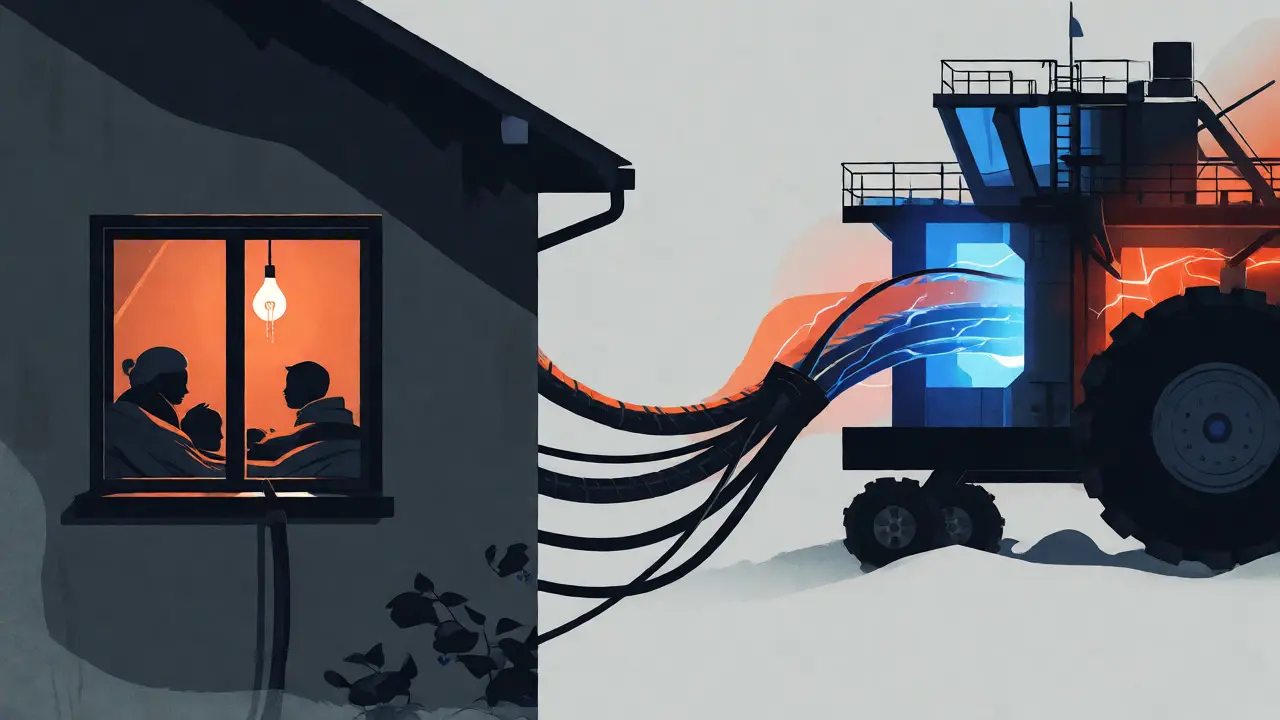
Imagine turning on your lights, only to have them flicker out because someone nearby is running a Bitcoin mining rig that consumes as much electricity as a small town. For residents of Kosovo in early 2022, this wasn't a hypothetical nightmare-it was their daily reality. The government didn't just tweak the rules; they slammed the brakes on the entire industry. On January 4, 2022, Minister of Economy Artane Rizvanolli announced a total ban on cryptocurrency production across the country. This move made Kosovo one of the few nations to completely outlaw mining, not for ideological reasons, but because the grid simply couldn't take it anymore.
If you are tracking global crypto trends or considering investment opportunities in the Balkans, understanding why this happened-and where things stand today-is crucial. It’s a case study in how energy security can override technological enthusiasm. Let’s look at what drove this decision, how it was enforced, and whether there is any hope for miners returning to the region.
The Perfect Storm: Energy Crisis Meets Crypto Boom
To understand the ban, you have to look at the context. By late 2021, Kosovo was facing a severe energy crisis. The state-owned utility company, KEDS, struggled to meet demand, leading to rolling blackouts and a declared state of emergency in December 2021. At the same time, the global cryptocurrency boom had reached fever pitch. Miners were flocking to regions with cheap electricity, and Kosovo became an unexpected hotspot.
Why Kosovo? Two main factors drew miners in: low electricity costs and a lack of strict regulatory oversight. In many areas, particularly in northern municipalities with Serbian majority populations, electricity theft or non-payment was rampant. Miners exploited this loophole, setting up rigs that consumed subsidized or unpaid power while generating profits in hard currency. This created a massive imbalance. While households faced rationing, industrial-scale mining operations ran 24/7, draining resources meant for essential services like hospitals and schools.
| Factor | Impact on Grid | Government Response |
|---|---|---|
| Energy Shortage | Frequent blackouts affecting residential and commercial sectors | State of Emergency declared Dec 2021 |
| Electricity Theft | High losses in northern regions due to unpaid consumption | Targeted enforcement in Serbian-majority areas |
| Mining Load | Disproportionate share of national power supply used by miners | Total ban on crypto production Jan 2022 |
How the Ban Was Implemented and Enforced
Kosovo didn’t just pass a law and hope for the best. The implementation was aggressive and multi-phased. Initially imposed in January 2022, the ban was designed to be flexible. Authorities knew that energy conditions fluctuate, so they built in extension protocols. From August 1, 2022, the restrictions were extended for another 60 days, with provisions allowing further extensions ranging from 30 to 180 days depending on the stability of the energy sector.
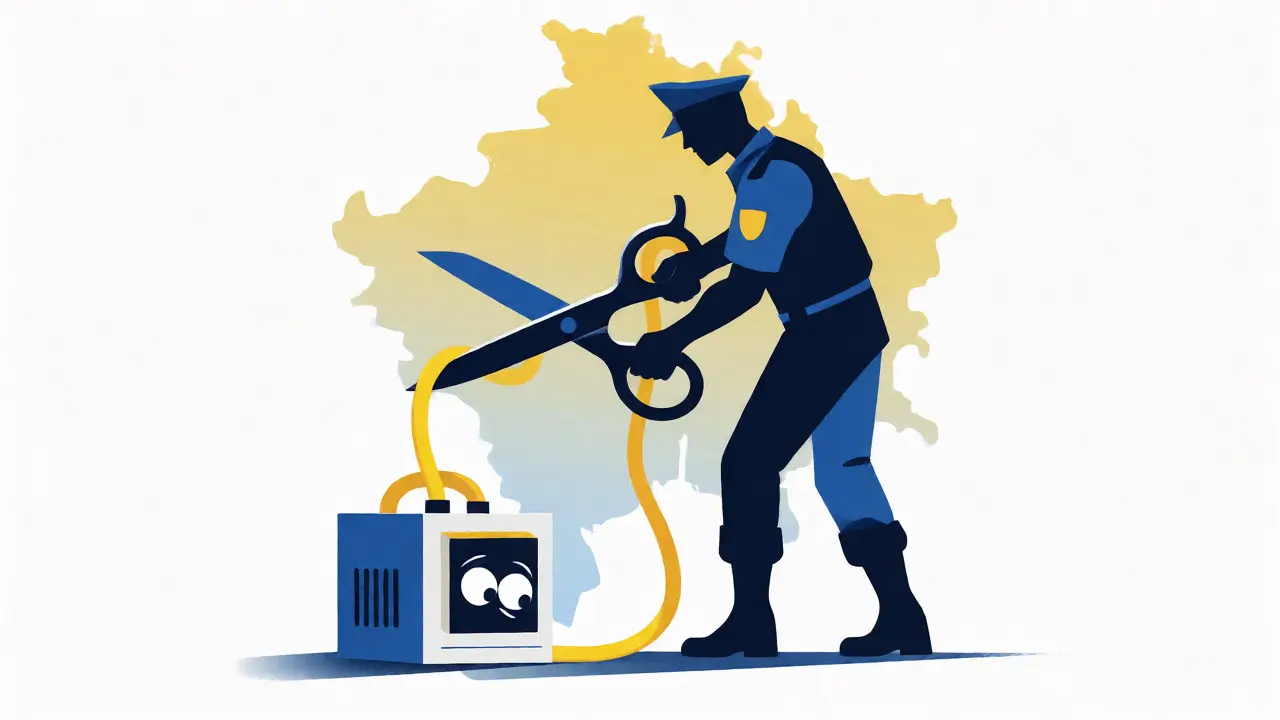
Enforcement was physical and visible. Police and customs authorities conducted coordinated raids, confiscating more than 300 Bitcoin mining devices in the first few months alone. These weren't minor seizures; they represented a significant portion of the local mining capacity. Officers monitored electricity consumption patterns specifically looking for the high-load signatures typical of proof-of-work mining. If a household suddenly spiked in usage without a corresponding increase in appliances, inspectors would knock on the door.
This geographic focus was politically sensitive but economically necessary. Much of the unauthorized mining occurred in northern Kosovo, where traditional issues with bill payment intersected with new tech adoption. By targeting these areas, the Committee for Economy in the Assembly of Kosovo aimed to address both the immediate energy drain and the broader issue of electricity misuse.
The Broader Global Context
Kosovo wasn't acting in a vacuum. The timing coincided with China's comprehensive shutdown of its crypto mining sector in 2021, which displaced nearly three-quarters of global Bitcoin mining capacity. As miners moved away from China, some looked toward Europe, including the Balkans, for cheaper alternatives. However, other European nations were also tightening their belts.
Environmental groups like Greenpeace USA highlighted Kosovo’s actions as part of a growing trend. Countries began realizing that energy-intensive Proof-of-Work consensus mechanisms could threaten electrical grids during crises. While nations like Iran had previously banned mining during peak summer loads, Kosovo’s approach was notable for its duration and breadth. By 2025, international monitoring organizations list Kosovo as one of only eight countries worldwide with outright bans on cryptocurrency mining, placing it alongside nations like Algeria, Bangladesh, and Egypt.
Economic and Social Ripple Effects
You might think banning mining only hurts the miners, but the economic impact rippled through the wider society. For investors and traders, the legal barriers created a chilling effect. With mining illegal, the infrastructure for buying, selling, and holding digital assets remained underdeveloped. Everyday users found themselves cut off from potential benefits of decentralized finance, such as faster remittances-a critical factor given Kosovo’s large diaspora population who often send money home.
Without clear regulations, businesses hesitated to enter the market. Why set up a crypto exchange or a blockchain startup if the core activity of mining is illegal and the trading framework is murky? This stagnation limited job creation in the tech sector and kept Kosovo behind its neighbors in adopting digital financial tools. The inability to use crypto-based remittance solutions meant that diaspora families continued paying higher fees for traditional banking transfers, missing out on the efficiency gains seen in other markets.
Current Status and Future Outlook (2025-2026)
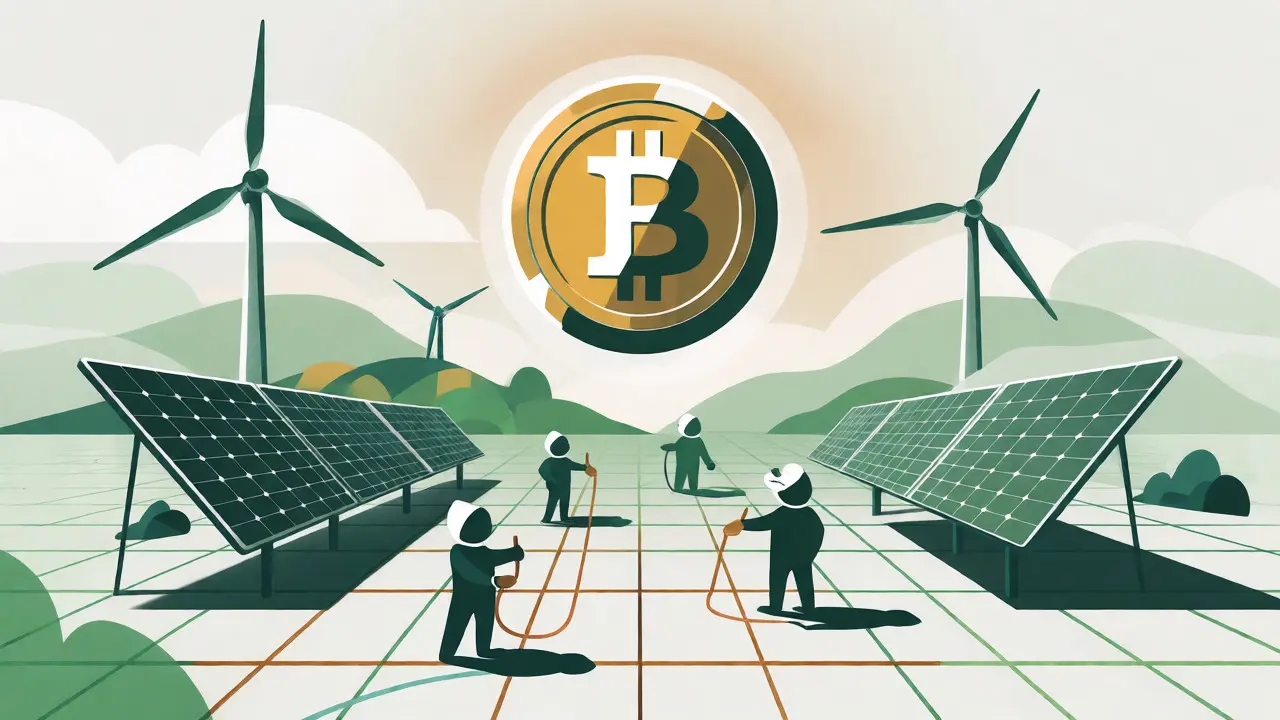
Fast forward to 2025 and 2026, and the landscape has shifted slightly, though the core ban remains. Kosovo maintains its restrictive stance, but cracks have appeared in the armor. Recent developments indicate limited exceptions for mining operations powered exclusively by alternative energy sources. This suggests a pathway forward: if you can mine Bitcoin without touching the national grid-using solar, wind, or hydro power generated off-grid-you might find a niche.
The government has signaled intentions to develop new legal frameworks defining rules for cryptocurrency use beyond mining. This includes categorizing different types of digital assets and establishing taxation policies. The goal is to balance energy security with the need for modern financial integration. While mining on the main grid remains prohibited, the conversation has moved from "ban everything" to "regulate responsibly."
For now, however, the message is clear: do not plug in a standard ASIC miner expecting to run it on Kosovan grid electricity. You risk fines, equipment confiscation, and legal trouble. The era of easy, subsidized mining in Kosovo is over, replaced by a cautious, regulated environment that prioritizes keeping the lights on for everyone else.
Is cryptocurrency mining currently legal in Kosovo?
As of 2025, general cryptocurrency mining on the national electricity grid remains illegal in Kosovo. However, there are emerging exceptions for operations that utilize exclusively alternative energy sources (such as solar or hydro) independent of the public grid. Standard grid-powered mining continues to face strict prohibitions and enforcement actions.
Why did Kosovo ban crypto mining in 2022?
The ban was implemented primarily to address a severe energy crisis. Widespread electricity shortages led to rolling blackouts, and the government determined that energy-intensive cryptocurrency mining was consuming a disproportionate amount of the limited power supply. Additionally, the ban targeted electricity theft and non-payment issues, particularly in northern regions where miners exploited subsidized or unpaid electricity rates.
What happens if I mine Bitcoin in Kosovo illegally?
Violators face significant penalties, including the confiscation of mining equipment and fines. Police and customs authorities actively monitor electricity consumption patterns to identify suspicious high-load usage indicative of mining operations. Over 300 mining devices were confiscated in the initial enforcement phase following the 2022 ban, demonstrating active and rigorous enforcement.
Does the ban affect buying and selling crypto in Kosovo?
While the primary target is mining, the broader legal ambiguity affects trading and holding. The lack of a comprehensive regulatory framework for cryptocurrency transactions creates uncertainty for investors and traders. Although the ban specifically targets production (mining), the overall restrictive environment discourages the development of local exchanges and financial services related to digital assets.
Are there plans to lift the mining ban in the future?
There are indications of a shift towards regulation rather than absolute prohibition. The government is working on new legislation that may allow mining under specific conditions, such as using renewable energy sources. However, any lifting of restrictions will likely depend on the stability of the national energy grid and the successful implementation of new tax and regulatory frameworks for digital assets.