Woof Finance Crypto Exchange Review: Is It Safe or a Scam?
 May, 22 2026
Have you heard about Woof Finance, a new crypto exchange promising high returns? You are not alone. Every day, dozens of new platforms pop up with catchy names and aggressive marketing. But here is the hard truth: if you cannot find clear information about a platform’s regulation, team, or security, it is likely a trap. In this review, we will cut through the noise and tell you exactly what we know about Woof Finance, whether it is safe to use, and how to protect your money from potential scams.
What Is Woof Finance?
First, let’s get one thing straight. There is no widely recognized, regulated cryptocurrency exchange called "Woof Finance." A deep dive into industry databases, regulatory filings, and community forums reveals zero credible evidence of such a platform operating as a legitimate trading venue. Instead, most mentions of "WOOF" relate to a low-cap meme token trading at fractions of a cent. This confusion is intentional. Scammers often borrow names from existing tokens to create fake exchanges that look real but are designed to steal your funds.
If you have been contacted by someone claiming to represent Woof Finance, especially via social media or messaging apps, stop immediately. Legitimate exchanges do not recruit users through unsolicited messages. They do not promise guaranteed profits. And they certainly do not operate in the shadows without public regulatory oversight.
The Red Flags That Scream Scam
When evaluating any crypto platform, certain warning signs should trigger immediate caution. Here are the most common red flags associated with entities like Woof Finance:
- No Regulatory License: Legitimate exchanges register with financial authorities like the SEC (USA), FCA (UK), or ASIC (Australia). Woof Finance has no such registration.
- Anonymous Team: Real companies have public founders with verifiable LinkedIn profiles and professional histories. Fake platforms hide behind generic avatars or stolen photos.
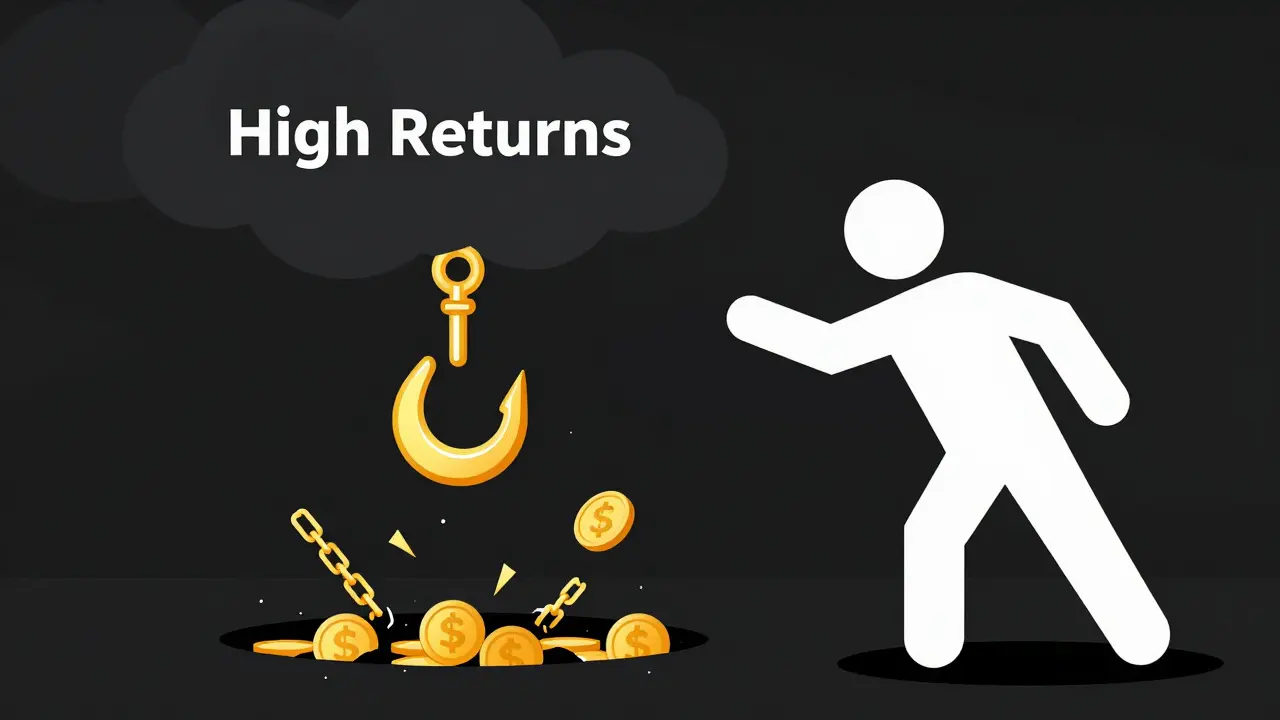
- Unrealistic Promises: Claims of "daily 5% returns" or "risk-free profits" are mathematical impossibilities in volatile markets. These are bait hooks.
- Poor Website Quality: Look for broken links, grammatical errors, and copied content from other sites. Professional exchanges invest heavily in user experience and security.
- Pressure Tactics: Urgency is a classic scam tool. Phrases like "limited-time offer" or "act now before prices change" are designed to bypass your critical thinking.
If you see even two of these signs, walk away. If you see all five, run. The crypto space is filled with sophisticated frauds, and ignorance is not a defense.
How Crypto Exchange Scams Work
Understanding the mechanics of fraud helps you spot it earlier. Most fake exchanges follow a predictable pattern:
- Attraction: Ads on social media or influencer endorsements lure victims with flashy visuals and success stories.
- Onboarding: Victims sign up using minimal verification. The platform feels easy and inviting.
- Small Wins: Early withdrawals might be processed quickly to build trust. This is the hook.
- Large Deposit: Once trust is established, victims are encouraged to deposit larger sums, often with promises of exclusive bonuses.
- The Trap: When you try to withdraw your profits, hurdles appear. "Maintenance fees," "tax payments," or "security checks" delay access indefinitely.
- Disappearance: Eventually, the website goes offline, support vanishes, and your money is gone forever.
This cycle has ruined thousands of investors. The key difference between a real exchange and a scam is transparency. Real platforms publish audits, reserve proofs, and legal terms. Scams publish nothing but hype.
Is the WOOF Token Related?
Yes, but not in the way scammers want you to think. There is a cryptocurrency token named WOOF, which trades on decentralized exchanges like Uniswap. As of mid-2026, it trades at approximately $0.00004873 with high volatility and bearish sentiment. This token has no connection to any centralized exchange called Woof Finance. Scammers exploit this name similarity to confuse users. They might show you fake charts of the WOOF token rising while asking you to deposit Bitcoin into their "exchange" to trade it. Never mix token names with platform names. They are separate entities.
| Feature | Legitimate Exchange | Fake Platform (e.g., Woof Finance) |
|---|---|---|
| Regulation | Licensed by government bodies | No license, offshore servers |
| Team | Public, verified identities | Anonymous or stolen identities |
| Fees | Transparent, published schedule | Hidden fees, sudden charges |
| Withdrawals | Processed within hours/days | Blocked, delayed, or impossible |
| Security | 2FA, cold storage, audits | No security measures |
How to Verify Any Crypto Exchange
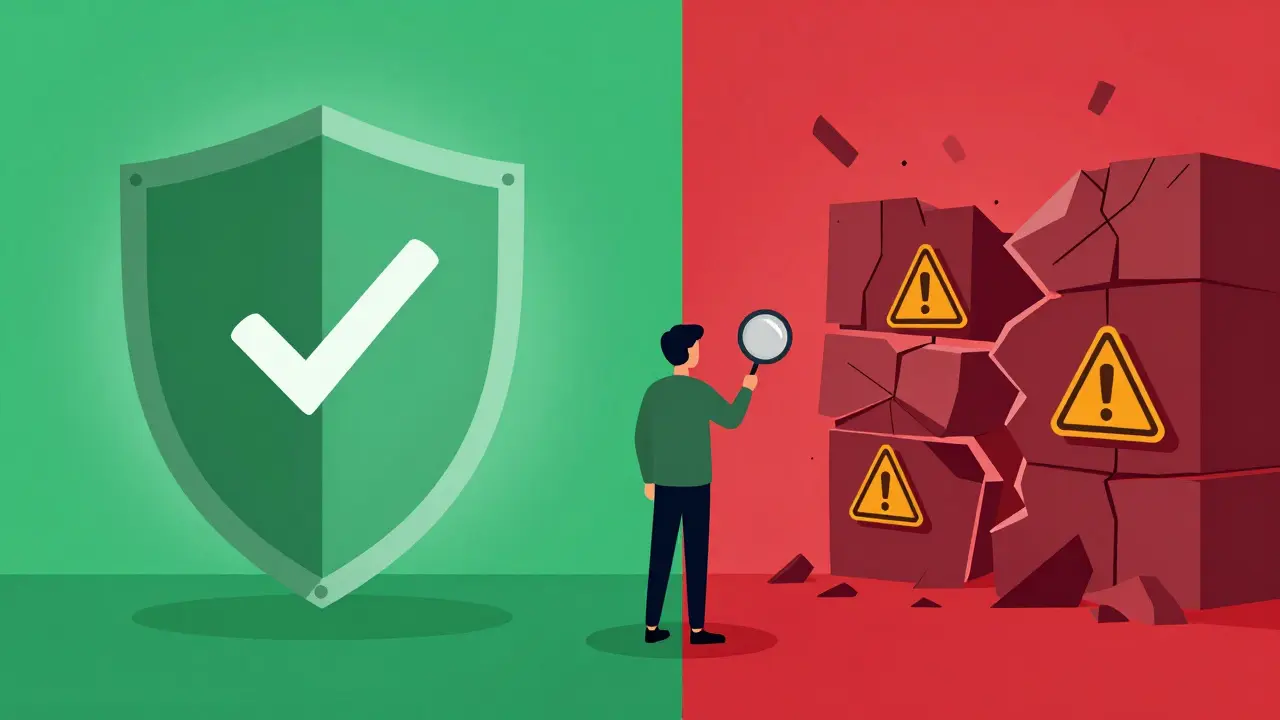
Before you deposit a single dollar, perform these three checks. They take less than ten minutes and could save you thousands.
1. Check Regulatory Status
Visit the official websites of financial regulators in your country. In the US, check the SEC’s Investment Adviser Public Disclosure database. In Europe, check the ESMA register. If the exchange is not listed, it is operating illegally. Legal exchanges proudly display their license numbers on their footer pages.
2. Search for Independent Reviews
Avoid reviews on the exchange’s own site or paid affiliate blogs. Go to Reddit, Trustpilot, and specialized crypto forums like Bitcointalk. Look for patterns. Are multiple users complaining about withdrawal issues? Do people report being pressured by "account managers"? Negative consensus is a strong signal.
3. Test Customer Support
Contact support with a simple question. Wait for a response. Legitimate exchanges have professional, knowledgeable staff who reply within 24 hours. Scams often use bots, generic templates, or agents who speak broken English and push you to deposit more money to "unlock" features.
Safe Alternatives to Woof Finance
Since Woof Finance is not a viable option, where should you trade? Stick to established, regulated platforms that have survived market cycles. Here are three reliable choices for different needs:
- Coinbase: Best for beginners. Publicly traded company, insured deposits, and intuitive interface. Ideal for buying Bitcoin and Ethereum safely.
- Kraken: Best for security and advanced traders. Known for strict compliance, low fees, and robust customer service. Offers futures and margin trading.
- Binance: Best for variety. Largest selection of altcoins and trading pairs. However, ensure you comply with local regulations, as Binance operates differently in various regions.
These platforms have millions of users, transparent fee structures, and proven track records. They may not promise daily riches, but they won’t steal your principal either.
What To Do If You’ve Already Deposited Money
If you have already sent funds to Woof Finance or a similar suspicious platform, act quickly. Time is critical.
- Stop All Communication: Do not engage further with their "support" team. They will only try to extract more money.
- Document Everything: Save screenshots of chats, emails, transaction hashes, and website URLs. Note dates and times.
- Contact Your Bank or Wallet Provider: If you used a credit card or bank transfer, request a chargeback immediately. For crypto transactions, inform your wallet provider; while blockchain transfers are irreversible, some services can flag addresses.
- Report to Authorities: File a complaint with the FTC (USA), Action Fraud (UK), or your local cybercrime unit. Also report to Interpol if the platform targets multiple countries.
- Warn Others: Post your experience on social media and review sites. Your story might prevent someone else from falling victim.
Recovery is difficult, but reporting creates a paper trail that law enforcement can use. Silence helps scammers thrive.
Why Scams Thrive in Crypto
Cryptocurrency’s anonymity and borderless nature make it attractive to criminals. Unlike traditional banking, there is no central authority to reverse transactions instantly. Scammers exploit this technical reality combined with human psychology-greed, fear of missing out, and trust in technology. Education is your best shield. Understand that if something sounds too good to be true, it is. No legitimate financial institution guarantees profits. Volatility is inherent to crypto, and risk management is essential.
Final Thoughts on Safety First
Woof Finance is not a safe place for your money. It lacks transparency, regulation, and credibility. The crypto world offers incredible opportunities, but only when you choose partners who respect your security. Always prioritize licensed, well-known exchanges. Do your homework. Ask questions. And remember: protecting your capital is more important than chasing quick gains. Stay skeptical, stay informed, and keep your keys private.
Is Woof Finance a legitimate crypto exchange?
No. There is no evidence that Woof Finance is a regulated or legitimate cryptocurrency exchange. It exhibits multiple characteristics of a scam platform, including lack of regulatory licensing, anonymous ownership, and unrealistic profit promises. Users should avoid depositing funds.
Can I recover money lost to Woof Finance?
Recovery is extremely difficult because cryptocurrency transactions are irreversible. However, you should immediately contact your bank if you used fiat currency, file a police report, and document all interactions. While success is rare, reporting helps authorities track criminal networks.
What is the difference between the WOOF token and Woof Finance?
The WOOF token is a low-value cryptocurrency that trades on decentralized exchanges. Woof Finance is a fraudulent entity pretending to be an exchange. Scammers use the similar name to confuse users. The token itself is not a scam, but the platform using its name is dangerous.
How can I identify a fake crypto exchange?
Look for red flags like no regulatory license, anonymous team members, guaranteed high returns, poor website design, and pressure to deposit quickly. Always verify the platform on official regulator websites and read independent user reviews before trusting them with your money.
Which crypto exchanges are safe to use in 2026?
Established, regulated exchanges like Coinbase, Kraken, and Binance are considered safe. They have transparent fee structures, verified teams, and comply with international financial laws. Always choose platforms that are publicly accountable and have a long history of operation.
Why do scammers target cryptocurrency investors?
Scammers target crypto investors because blockchain transactions are difficult to reverse and cross borders easily. Combined with the complexity of the technology, many users struggle to verify legitimacy, making them vulnerable to sophisticated fraud schemes that exploit greed and urgency.
Should I trust influencers promoting Woof Finance?
Never trust influencers promoting unknown exchanges without doing your own research. Many are paid affiliates who receive commissions for every deposit made through their links. Their goal is to earn money, not protect your investment. Always verify claims independently.
What should I do if Woof Finance asks for more fees to withdraw?
Do not pay any additional fees. This is a classic advance-fee scam tactic. Once you pay, they will invent another reason to withhold your funds. Stop communication, secure your account, and report the incident to authorities immediately. Your initial loss is unfortunate, but paying more guarantees total loss.