Wyoming Crypto Laws: Why Blockchain Businesses Choose This State
 Nov, 16 2026
Imagine running a crypto business where you don't have to guess if your next transaction is legal. For years, that was the nightmare for founders in most U.S. states. You’d build something innovative, only to face vague regulations or lawsuits from regulators who hadn’t caught up with the tech. Then came Wyoming, a small state with big ideas, which decided to rewrite the rulebook. It’s not just about being "crypto-friendly"; it’s about having actual laws that define what a token is, how a DAO can own property, and how a bank can hold Bitcoin without breaking federal rules.
If you are launching a blockchain venture, choosing where to incorporate isn't just a paperwork exercise-it's a survival strategy. Wyoming has positioned itself as the "Delaware of Digital Asset Law," offering clarity where other jurisdictions offer chaos. But is it right for your specific business model? Let’s break down exactly how these laws work, why they matter, and what you need to know before filing your articles of organization.
The Foundation: Defining Digital Assets Legally
Most states treat cryptocurrencies like wild west territory. Some call them commodities, others securities, and some ignore them entirely. Wyoming took a different approach by passing the Digital Asset Act. This law doesn't just wave a flag saying "we like crypto." It provides precise legal definitions that protect businesses from arbitrary regulatory shifts.
The act categorizes digital assets into three distinct types, each with its own legal status:
- Digital Consumer Asset: Think of this as loyalty points or game credits. These are generally exempt from securities laws, meaning you can issue them without triggering complex SEC registration requirements.
- Virtual Currency: This covers things like Bitcoin or Ethereum when used primarily as a medium of exchange. The law explicitly exempts these from certain money transmitter regulations, reducing compliance overhead for payment processors.
- Digital Security: If your token represents an investment contract or ownership stake, it falls here. Wyoming aligns closely with federal securities laws but adds state-level protections and clearer pathways for issuance.
Why does this matter? Because ambiguity kills startups. By legally classifying these assets, Wyoming gives founders certainty. You know whether you need a securities lawyer or a banking license before you write your first line of code. This predictability attracts serious investors who hate risk associated with unclear legal standing.
Special Purpose Depository Institutions (SPDIs)
Here is where Wyoming really separates itself from the pack. Traditional banks often refuse to serve crypto companies because federal regulators make them nervous. They fear money laundering risks or lack of insurance coverage. Wyoming solved this by creating the Special Purpose Depository Institution (SPDI) charter.
An SPDI is a type of trust bank licensed by the Wyoming Division of Banking. Unlike regular banks, SPDIs cannot lend out customer deposits. Instead, they must hold 100% liquid reserves. This structure eliminates the fractional reserve banking risk that causes traditional bank failures.
The benefits are tangible:
- Custody Services: SPDIs can legally custody digital assets. This means a crypto exchange can operate like a bank, holding user funds securely under strict audit standards.
- Payment Processing: They can facilitate payments using both fiat currency and stablecoins, bridging the gap between old and new finance.
- Federal Compliance: While uninsured by the FDIC, SPDIs adhere to federal anti-money laundering (AML) and Know Your Customer (KYC) laws, satisfying federal scrutiny while operating under state supervision.
Kraken, one of the largest crypto exchanges globally, became the first entity to receive this charter in 2020. Their move signaled to the industry that Wyoming wasn't just talking-it was building real infrastructure. If you run a custodial service or an exchange, obtaining an SPDI charter might be cheaper and faster than navigating New York’s BitLicense or California’s fragmented regulations.
DAO LLCs: Giving Organizations Legal Personhood
Decentralized Autonomous Organizations (DAOs) have long struggled with a fundamental question: Who signs the lease? Who gets sued if someone slips on the floor? In most places, a DAO is treated as a general partnership, meaning every member could be personally liable for debts. That’s a terrifying prospect for anyone holding governance tokens.
Wyoming fixed this by allowing DAOs to register as Limited Liability Companies (LLCs). Under the DAO LLC statute, a decentralized group can form a legal entity recognized by the state. The key innovation here is how membership is defined.
In a traditional LLC, members are listed in a ledger managed by a manager. In a Wyoming DAO LLC, membership can be determined by wallet addresses recorded on the blockchain. Smart contracts can automatically update the roster of members based on token holdings. This allows the organization to function autonomously while still enjoying the liability protection of a corporate shell.
| Feature | Traditional LLC | Wyoming DAO LLC | General Partnership |
|---|---|---|---|
| Liability Protection | Yes, limited to capital contribution | Yes, protects individual token holders | No, personal assets at risk |
| Governance Mechanism | Manager-managed or Member-managed | Smart contract / On-chain voting | Consensus among partners |
| Member Identification | Names in state registry | Wallet addresses on blockchain | Partnership agreement |
| Regulatory Clarity | High | High (Specific statutory framework) | Low (Varies by jurisdiction) |
Tax Advantages and Operational Ease
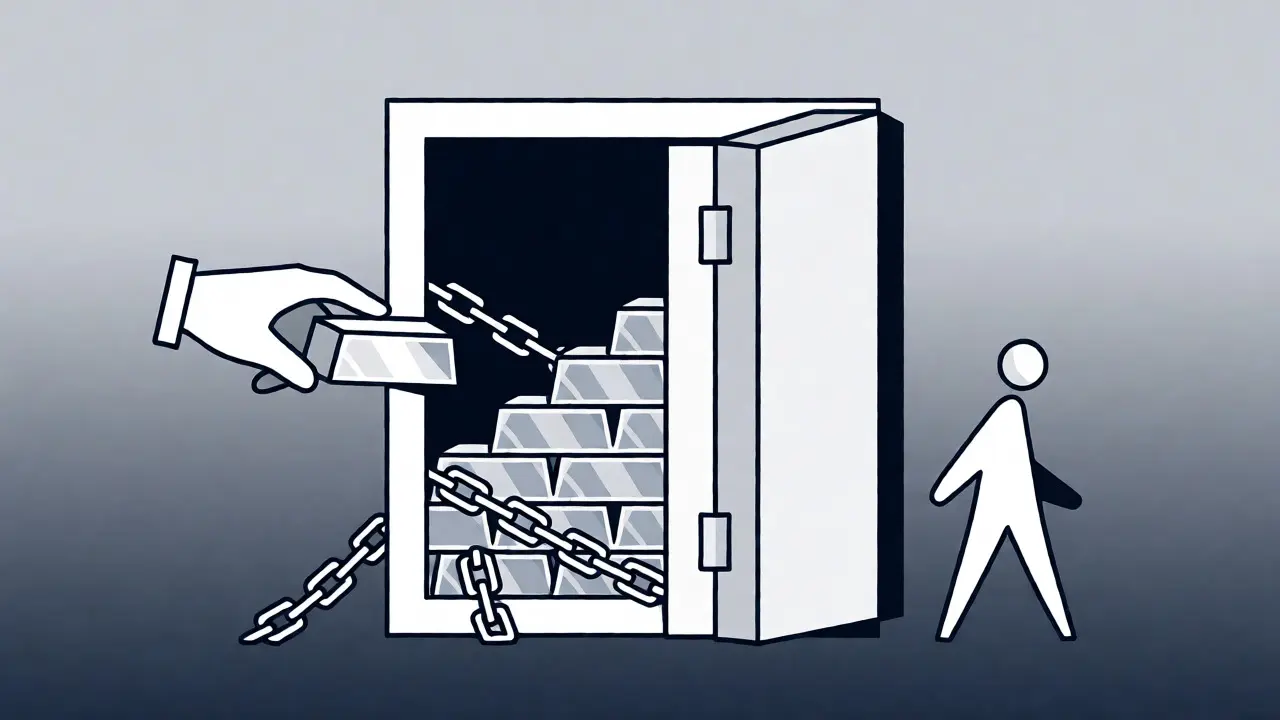
Let’s talk money. Wyoming has no state income tax, no corporate tax, and no capital gains tax. For a blockchain startup burning through cash, this is significant. You keep more of what you earn, which extends your runway during volatile market cycles.
Beyond taxes, the operational friction is low. The Secretary of State’s office processes filings quickly. There are no minimum capital requirements for forming an LLC. Annual reports are simple and inexpensive compared to states like Delaware or Nevada. For small teams and solo developers, this reduces administrative burden significantly.
However, don’t mistake "no state tax" for "no federal tax." You still owe federal income taxes, and the IRS treats crypto transactions as taxable events. Wyoming simplifies the state-level side of the equation, but federal compliance remains your responsibility. Always consult a tax professional familiar with digital assets to ensure you’re leveraging these benefits correctly.
The Stable Token Commission and Future-Proofing
Wyoming isn’t resting on its laurels. The state established the Stable Token Commission to explore issuing a government-backed stablecoin. While the initial target launch date has shifted, the intent is clear: Wyoming wants to integrate blockchain directly into public financial infrastructure.
This initiative signals long-term commitment. When a state invests resources into understanding and deploying blockchain technology, it creates a skilled workforce and a supportive ecosystem. The University of Wyoming plays a role here too, offering courses and research programs focused on distributed ledger technology. This pipeline ensures that local talent understands the tech, making hiring easier for businesses setting up shop in Cheyenne or Jackson.
Who Should Consider Wyoming?
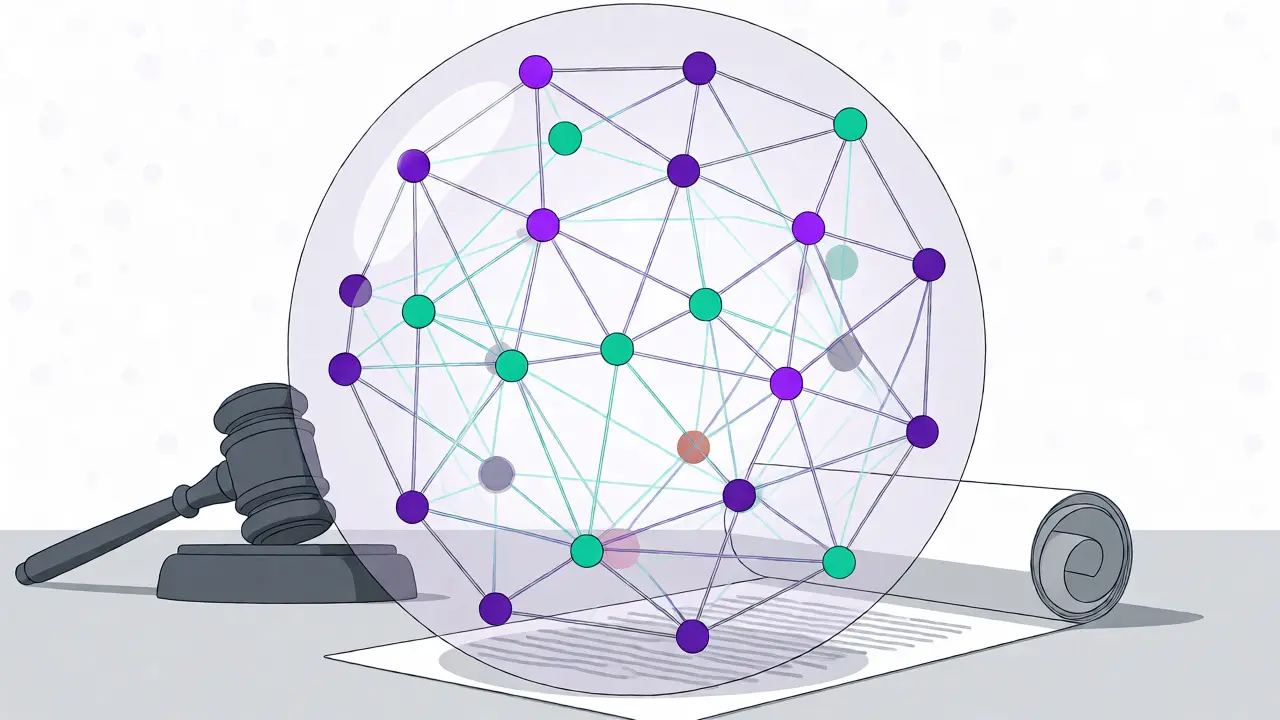
Not every crypto business needs to incorporate in Wyoming. Here is a quick heuristic to help you decide:
- Choose Wyoming if: You are launching a DAO, you need custody services via an SPDI, you want liability protection for token holders, or you prefer a low-tax, low-regulation environment.
- Consider Other States if: Your primary customers are in New York or California (state nexus issues), you require massive institutional banking relationships already established in NYC, or you are subject to specific state-level securities exemptions elsewhere.
Remember, incorporating in Wyoming doesn’t exempt you from doing business in other states. If you have employees or customers in Texas, you may still need to register as a foreign entity there. Wyoming provides the best home base, but your operational footprint determines your broader compliance obligations.
Pitfalls to Avoid
Even in a friendly jurisdiction, mistakes happen. One common error is assuming Wyoming laws override federal law. They don’t. The SEC still regulates securities offerings nationally. If your token is deemed a security by the SEC, Wyoming’s classification won’t save you from federal enforcement actions. However, it does provide a safer harbor for state-level claims.
Another pitfall is neglecting AML/KYC procedures. Just because Wyoming is flexible doesn’t mean it’s lax. SPDIs and MSBs must rigorously verify identities. Skipping this step can lead to heavy fines and loss of charter.
Does Wyoming charge state income tax on crypto profits?
No, Wyoming has no state income tax, corporate tax, or capital gains tax. This applies to individuals and businesses incorporated in the state. However, you are still subject to federal income taxes on any profits realized from cryptocurrency transactions.
What is an SPDI charter and who can get one?
A Special Purpose Depository Institution (SPDI) is a state-chartered trust bank that holds 100% liquid reserves and cannot lend customer funds. It is designed for entities providing custody and payment services for digital assets. To obtain one, you must apply through the Wyoming Division of Banking, meet capital requirements, and demonstrate robust internal controls and compliance systems.
Can a DAO legally own property in Wyoming?
Yes, by registering as a DAO LLC, a decentralized autonomous organization gains legal personhood. This allows the DAO to open bank accounts, sign contracts, and own real or personal property in its own name, protecting individual token holders from personal liability.
Do I need a separate license to sell NFTs in Wyoming?
It depends on the nature of the NFT. If the NFT is considered a "digital consumer asset" (like a ticket or collectible), it may be exempt from securities regulations. If it represents an investment interest, it might fall under digital security rules. Consulting with a Wyoming attorney is recommended to classify your specific NFT project correctly.
How does Wyoming compare to Delaware for crypto businesses?
Delaware is known for its well-established corporate case law and investor familiarity. Wyoming offers specific statutes tailored to blockchain technology, such as DAO LLCs and SPDIs, which Delaware lacks. Wyoming also has no state income tax, whereas Delaware charges a franchise tax. Many choose Wyoming for its specialized crypto laws, while others stick with Delaware for traditional corporate prestige.