ACDX Crypto Exchange Review: Fees, Risks & Features
 Aug, 17 2026
Most traders know the big names like Binance or Bybit. But what about platforms that focus specifically on crypto derivatives? ACDX is one such platform, and it’s been gaining attention for its high leverage options and unique tokenomics. If you’re considering depositing funds there, you need to know exactly what you’re getting into-especially given some conflicting information about its regulatory status.
This review breaks down ACDX’s features, fees, risks, and user experience so you can decide if it fits your trading strategy. We’ll look at the numbers, the interface, and the fine print that often gets overlooked.
What Is ACDX?
ACDX is a cryptocurrency derivatives trading platform focused on next-generation trading products and structured products. It isn’t a standard spot exchange where you buy and hold coins long-term. Instead, it specializes in contracts, allowing traders to speculate on price movements with leverage.
The platform’s origins are a bit murky. Some sources say it was founded in China in 2018, while others claim it registered in Hong Kong in 2020. This discrepancy matters because it affects how much trust you should place in its compliance history. Currently, ACDX operates in three languages: English, Japanese, and Mandarin, suggesting a strong focus on Asian markets.
Trading Products and Leverage
ACDX offers over 50 cryptocurrencies for trading, including major assets like Bitcoin (BTC), Ethereum (ETH), Tether (USDT), and Cardano (ADA). However, the core of the platform is its derivatives market. You can trade perpetual futures and other contract types on these assets.
The standout feature here is the leverage. ACDX allows up to 100x leverage on certain contracts. For context, most major exchanges cap leverage between 20x and 75x depending on the asset. While 100x sounds exciting, it’s a double-edged sword. A 1% move against your position wipes out your entire margin. If you’re new to derivatives, start lower. Experienced traders might appreciate the flexibility, but they need robust risk management tools.
Fees: How Competitive Are They?
Trading costs eat into profits, so let’s look at the numbers. ACDX uses a maker-taker fee structure:
- Taker Fee: 0.05%
- Maker Fee: 0.015%
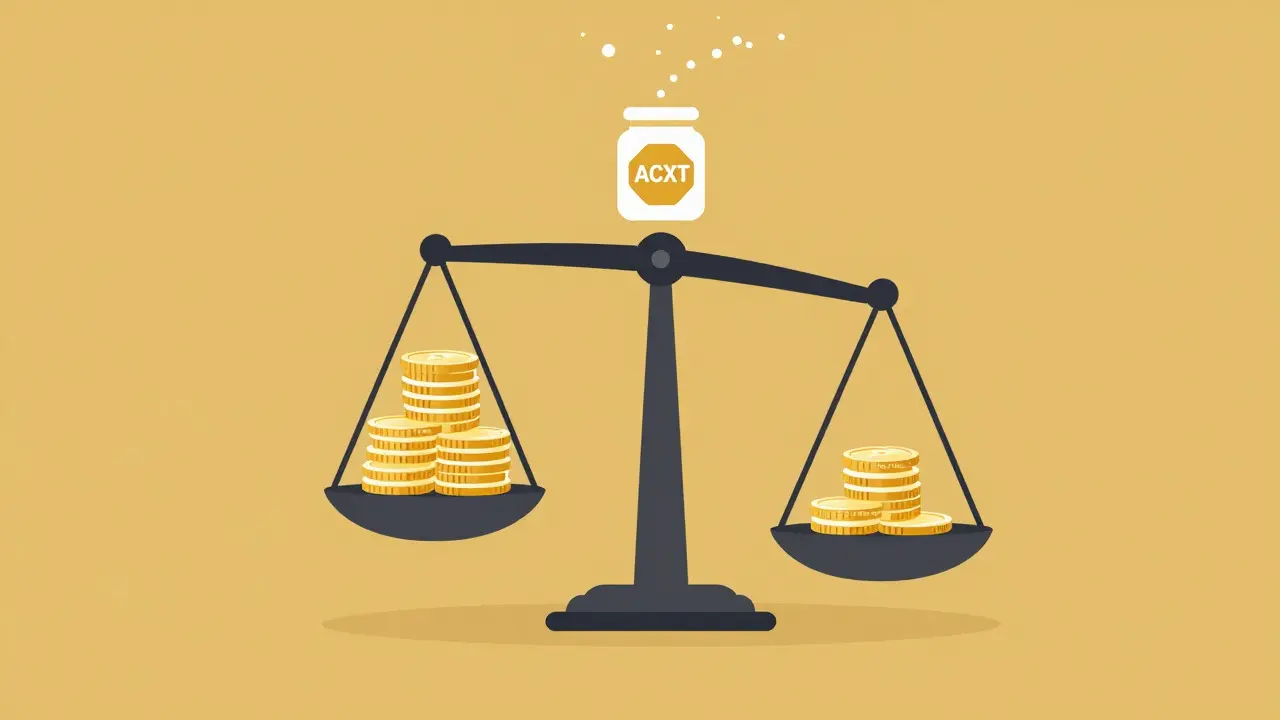
To put this in perspective, the industry average for takers is around 0.064%, and for makers, it’s roughly 0.014%. So, ACDX is slightly cheaper than average for takers and almost identical for makers. This makes it competitive, especially if you use limit orders (making you a maker) to reduce costs.
Note that fees can vary based on your trading volume and account tier. High-volume traders usually get better rates, which is standard across the industry.
Payment Methods and Deposits
Here’s where ACDX differs from many competitors. The platform accepts bank transfers and credit/debit cards for payments, but it only accepts cryptocurrency as a deposit asset class. There is no direct fiat on-ramp within the platform itself.
This means if you don’t already own crypto, you have to buy it elsewhere first. You’d need to purchase USDT or BTC on an exchange with fiat support, then transfer those coins to ACDX. Bank transfer processing times depend on your local bank, while card payments are usually instant. However, if you prefer using e-wallets like PayPal or Skrill, you won’t find them here. This limitation might be a dealbreaker for some users who rely on those methods for quick deposits.
The ACXT Token and Incentives
Like many modern exchanges, ACDX has its own governance token called ACXT. Holding ACXT gives you voting rights in ecosystem decisions. More tokens mean more influence, which is a common model in decentralized finance.
But ACXT does more than just grant votes. It’s tied to a liquidity farming program. Here’s how it works:
- 30% of the total ACXT supply is reserved for liquidity incentives.
- This portion unlocks daily over four years.
- Only makers (those placing limit orders) receive ACXT rewards when their orders are filled.
- Rewards are split pro-rata based on daily maker volume.
Takers don’t get any ACXT from order fills. So, if you want to earn passive income through the platform, you need to provide liquidity.
Additionally, ACDX runs a buyback and burn program. 50% of maker fees are used to buy ACXT from the open market and burn it permanently. The other 50% goes into an insurance fund. This mechanism aims to reduce token supply and potentially increase value, while also protecting trader funds.
User Experience and Support
From user feedback, the ACDX interface is described as clean and intuitive. Even beginners report finding it easy to navigate. The trading view includes standard tools: price charts, indicators, buy/sell boxes, and order history.
Customer support is available 24/7 via live chat and email. Users generally rate the response time as good, which is crucial when dealing with volatile markets. The platform also provides educational resources, including articles and tutorials, which help newer traders understand derivatives basics.
Liquidity is another positive point. Traders mention that spreads are tight and execution is fast, even during high-volatility periods. This is essential for derivatives trading, where delays can cost you money.
Risks and Limitations
No review is complete without addressing the downsides. First, the regulatory status remains ambiguous. One source calls it unregulated, while another mentions Hong Kong registration. Until this is clarified, you should assume a higher level of counterparty risk compared to fully regulated entities like Coinbase or Kraken.
Second, the lack of fiat deposits adds friction. If you’re in a region where buying crypto directly is difficult, this extra step can be annoying. Third, the platform is relatively new. It hasn’t weathered multiple market cycles the way older exchanges have. Trust takes time to build, and ACDX is still in that phase.
Finally, remember the leverage. 100x is not for the faint of heart. Many traders blow up their accounts quickly when they over-leverage. Use stop-losses and keep position sizes small if you’re experimenting.
| Feature | ACDX | Industry Average |
|---|---|---|
| Taker Fee | 0.05% | 0.064% |
| Maker Fee | 0.015% | 0.014% |
| Max Leverage | 100x | Varies (typically 20x-75x) |
| Fiat Deposits | No (Crypto only) | Yes (Most major exchanges) |
| Regulatory Status | Ambiguous (HK/Unregulated claims) | Varies by jurisdiction |
Who Should Use ACDX?
ACDX isn’t for everyone. It’s best suited for experienced traders who understand derivatives and want access to high leverage and specific structured products. If you’re looking for a simple place to buy Bitcoin and hold it, stick with a spot exchange.
However, if you’re active in providing liquidity, the ACXT incentive program could make ACDX attractive. The combination of competitive fees, maker rewards, and a buyback mechanism creates a compelling case for medium-to-high volume traders willing to accept the regulatory uncertainty.
Final Thoughts
ACDX offers a solid package for derivatives traders. The fees are competitive, the interface is user-friendly, and the tokenomics provide extra value for makers. But you need to weigh these benefits against the lack of fiat deposits and unclear regulatory standing. Start with a small amount, test the waters, and ensure you have a solid risk management plan before going all-in.
Is ACDX regulated?
The regulatory status of ACDX is currently ambiguous. Some sources list it as registered in Hong Kong, while others describe it as unregulated. Traders should verify the latest licensing status before depositing significant funds.
Can I deposit USD directly into ACDX?
No, ACDX only accepts cryptocurrency deposits. You must purchase crypto (like USDT or BTC) on another exchange with fiat support and transfer it to ACDX.
What is the maximum leverage on ACDX?
ACDX offers up to 100x leverage on select cryptocurrency contracts. This high leverage amplifies both gains and losses, so careful risk management is essential.
How do I earn ACXT tokens?
You earn ACXT by being a maker. When your limit orders are filled, you receive a share of the daily incentive pool, distributed pro-rata based on your maker volume. Takers do not receive ACXT rewards.
Are ACDX fees expensive?
No, ACDX fees are competitive. Takers pay 0.05% and makers pay 0.015%, which is below or near the industry average for derivatives trading.