Asset Forfeiture and Crypto Seizures by Country: A Global Guide
 Sep, 2 2026
Imagine waking up to find your Bitcoin gone. Not stolen by a hacker in the night, but seized by the government because they suspect it’s linked to a crime. This isn’t a dystopian novel; it’s happening right now across the globe. As of September 2026, asset forfeiture and cryptocurrency seizures have become major tools for law enforcement, shifting from simple punishment to strategic financial management. If you hold digital assets, understanding who can seize them, where, and why is no longer optional-it’s essential survival knowledge.
The US Shift: From Liquidation to Strategic Reserve
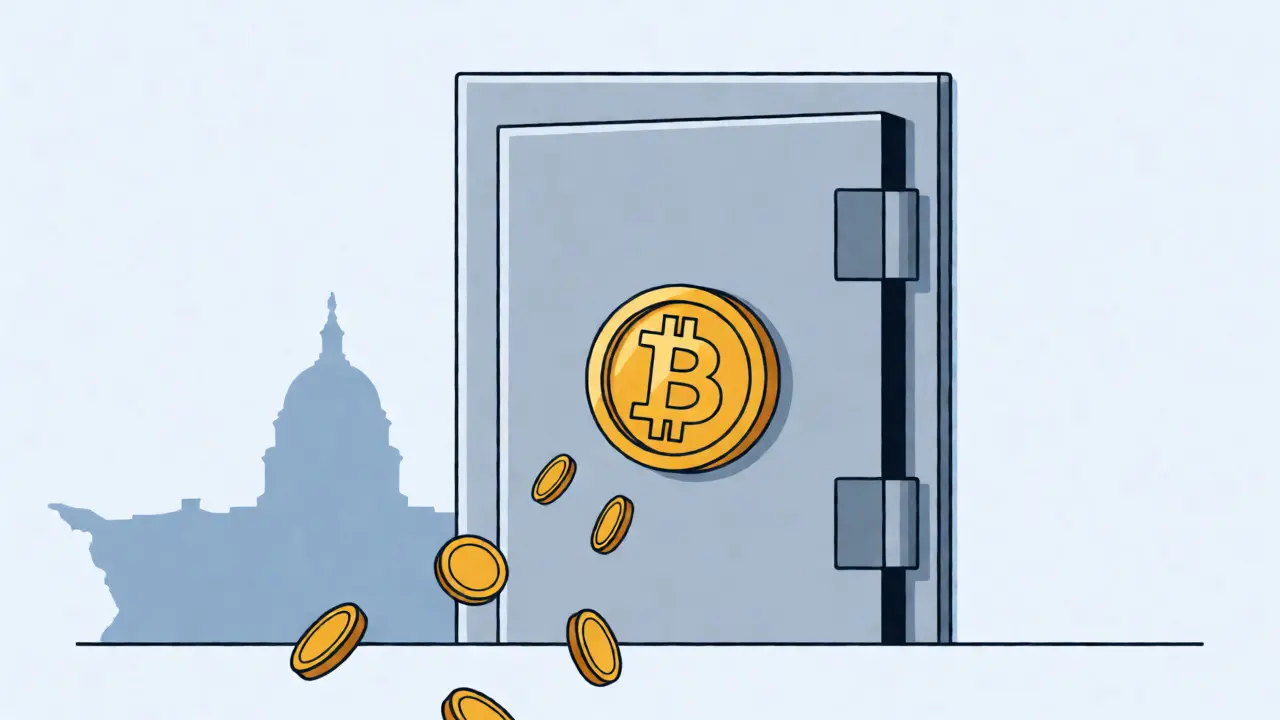
The United States changed the game entirely in early 2025. Before this, if federal agencies seized Bitcoin, they usually sold it off quickly to fund operations or return value to victims. But on March 6, 2025, everything flipped. The administration established the Strategic Bitcoin Reserve, holding over 207,000 BTC-worth roughly $17 billion at the time-as sovereign reserve assets. This wasn’t just about keeping the money; it was a bet on the future. By retaining these assets instead of flooding the market with sales, the US signaled that digital currency is now treated as "property" akin to gold or foreign reserves.
This move forced other nations to rethink their own policies. If the world’s largest economy is hoarding seized crypto, what does that mean for smaller jurisdictions? It suggests that governments are no longer just policing crypto; they are investing in it. For holders, this means your coins might not disappear into a black hole of bureaucratic liquidation. Instead, they could sit in a national vault, waiting for appreciation. But it also raises a scary question: if the government sees value in holding your seized assets, will they be more aggressive in seizing them?
Europe’s Complex Web of Enforcement
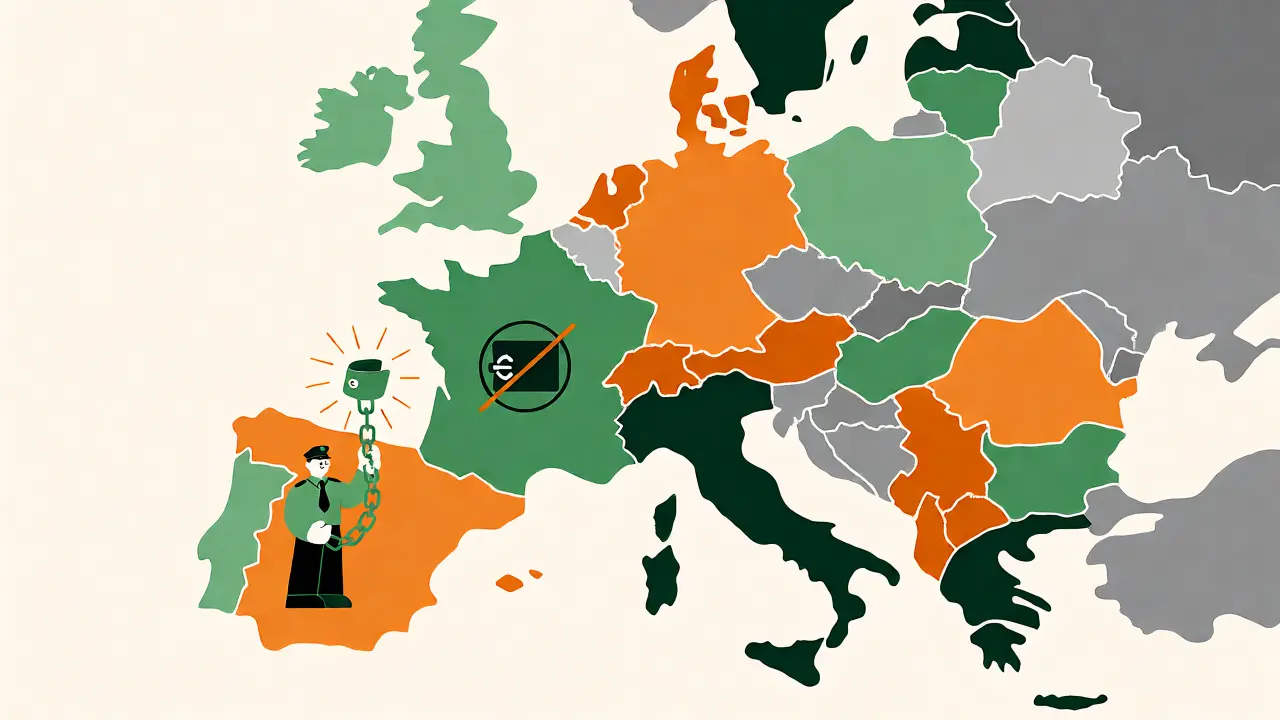
Across the Atlantic, Europe presents a fragmented picture. There is no single "European Crypto Law" that applies uniformly to seizures yet, though regulations are tightening. Spain recently made headlines when its Guardia Civil conducted a massive cryptocurrency seizure operation in 2025, backed by U.S. law enforcement. This highlights a critical trend: international cooperation. Crime doesn’t respect borders, and neither do blockchain transactions. When Spanish authorities freeze wallets, they often rely on data sharing agreements with American agencies.
Germany remains a hub for both adoption and enforcement. While it has some of the clearest tax rules for crypto gains, its enforcement against illicit flows is robust. In contrast, countries like Namibia take a harder line. The Bank of Namibia declared years ago that crypto exchanges aren’t allowed to operate freely, and using crypto for payments is restricted. If you’re holding assets there, the risk isn’t just criminal seizure-it’s regulatory non-recognition. Your assets might technically exist on the blockchain, but legally, they might not count as property you can defend in court.
Asia-Pacific: Adoption vs. Restriction
The Asia-Pacific region offers a stark contrast between high adoption and strict control. Japan, long considered a crypto-friendly nation, maintains rigorous anti-money laundering (AML) standards. While they don’t ban ownership, exchanges must adhere to strict KYC (Know Your Customer) protocols, making anonymous holdings difficult to hide from authorities. South Korea similarly enforces real-name banking systems tied to crypto accounts, giving regulators a clear view of who holds what.
Then there’s Ukraine, which topped the 2025 Global Crypto Adoption Index. High adoption rates correlate with higher victim counts. Data shows that while the US leads in total theft volume, Eastern Europe saw the most rapid growth in victim totals from 2024 to 2025. Why? Because criminals follow liquidity. Wherever people use crypto daily, thieves-and subsequently, police-follow suit. In places like Moldova and Georgia, which rank high in adoption, local laws are still catching up. You might find yourself in a legal gray zone where an asset is seized under broad anti-terrorism financing laws, even if the underlying transaction was mundane.
| Region/Country | Legal Status of Crypto | Seizure Approach | Key Risk Factor |
|---|---|---|---|
| United States | Fully Legal / Regulated Property | Strategic Retention (Reserve) | High Volume / Federal Jurisdiction |
| Spain | Legal / EU Compliant | Criminal Asset Recovery | International Cooperation |
| Namibia | Restricted / Non-Legal Tender | Regulatory Ban / Exchange Closure | Lack of Legal Protection |
| Japan | Legal / Highly Regulated | Exchange-Level Compliance | KYC / Identity Tracking |
| Ukraine | Legal / Rapidly Evolving | Anti-Financing of Terrorism | Rapid Growth in Victim Counts |
What Gets Seized? Beyond Just Bitcoin
A common misconception is that only large Bitcoin holdings get targeted. That’s outdated thinking. Courts increasingly recognize Non-Fungible Tokens (NFTs) and DeFi tokens as seizable property. If you’re staking Ethereum in a decentralized protocol, those yield-bearing positions can be frozen. Smart contracts themselves are becoming subjects of legal scrutiny. If a DeFi protocol is deemed unregistered securities, the assets within it could face regulatory freezes.
Stablecoins are another hot target. Because they mimic fiat currency, they are often used in cross-border settlements. When authorities trace illicit funds, stablecoins like USDC or USDT are frequently the first stops. Circle, the issuer of USDC, went public in April 2025, bringing traditional corporate accountability to the stablecoin space. This means issuers can now be pressured by regulators to freeze specific wallet addresses more easily than before. If your stablecoins are held in a centralized exchange, they are vulnerable to administrative freezes without much recourse.
The Human Cost: Restitution and Due Process
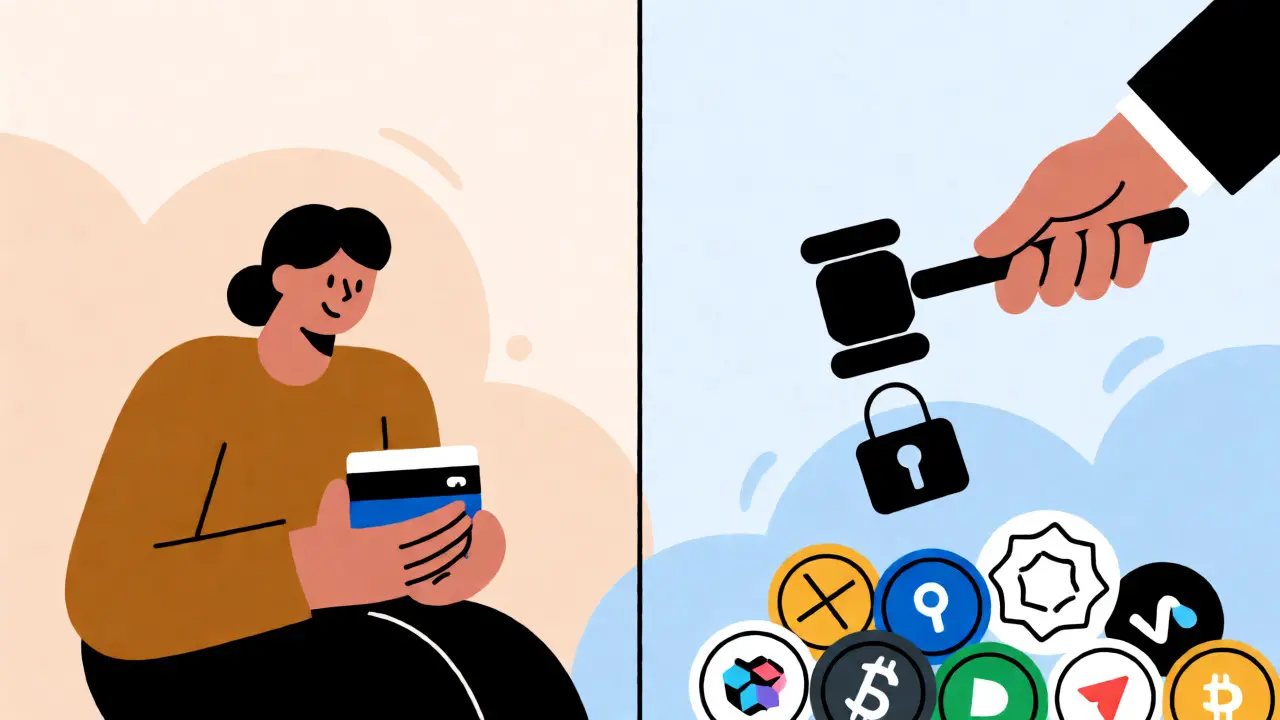
It’s easy to focus on the billions seized by governments, but what about the individuals caught in the crossfire? Asset forfeiture laws vary wildly in how they handle due process. In some jurisdictions, you must prove your assets are innocent before you get them back. This "civil forfeiture" model puts the burden on you, the holder, rather than the state. Imagine having your crypto locked for two years while a case drags through courts. Even if you win, the opportunity cost of being out of the market can be devastating.
Victim restitution is another complex layer. When $2.17 billion was stolen from crypto services in the first half of 2025 alone, recovering those funds for victims is a logistical nightmare. Governments prioritize funding their own enforcement actions first. Often, seized assets go toward paying for the investigation itself before any money returns to the original owner. If you’re a victim of a hack, don’t expect immediate repayment from government seizures. The system is designed to punish criminals and fund states, not necessarily to make individuals whole quickly.
How to Protect Your Digital Assets
So, what can you actually do? First, diversify your custody. Don’t keep all your eggs in one basket, especially not in a jurisdiction known for aggressive seizure powers. Hardware wallets offer better protection against exchange-level freezes, though they don’t protect against legal orders targeting your identity.
- Maintain Clean Records: Keep detailed logs of every transaction. If your assets are seized, proving the origin of funds is your best defense against permanent forfeiture.
- Understand Local Laws: Regulations change fast. What was legal in 2024 might be restricted in 2026. Check your country’s stance on "intangible assets" versus "currency."
- Diversify Jurisdictions: Consider holding assets in accounts or wallets associated with different legal frameworks. If one country freezes your assets, others may remain accessible.
- Monitor Regulatory News: Follow updates from bodies like the SEC, CFTC, or your local central bank. Policy shifts often precede enforcement waves.
The landscape of digital asset law is moving faster than most people realize. The shift from liquidation to strategic retention in the US is just the beginning. Other nations will likely follow suit, turning seized crypto into national wealth. For the average investor, this means vigilance is key. Your crypto isn’t just code; it’s property subject to the whims of global geopolitics and local law enforcement priorities.
Can the government seize my crypto if I didn't commit a crime?
Yes, potentially. Many jurisdictions allow for civil forfeiture, where assets can be seized if they are suspected of being involved in a crime, regardless of whether the owner is charged. You would then need to prove the assets were acquired legitimately to get them back.
Why did the US start keeping seized Bitcoin instead of selling it?
The US established the Strategic Bitcoin Reserve to treat seized assets as sovereign reserves. This avoids flooding the market with sales, which could lower prices, and allows the government to benefit from potential long-term appreciation of the asset.
Are NFTs and DeFi tokens subject to seizure?
Increasingly, yes. Courts are recognizing NFTs and DeFi positions as property. If these assets are linked to illegal activity or regulatory violations, they can be frozen or seized just like traditional cryptocurrencies.
Which countries have the highest risk of crypto seizures?
Countries with high crypto adoption and active enforcement tend to see more seizures. The US, Germany, and Spain are notable for significant operations. However, regions like Eastern Europe are seeing the fastest growth in victimization and enforcement activity.
Does using a hardware wallet protect me from government seizure?
A hardware wallet protects against exchange freezes and hacking, but it does not prevent legal seizure. If authorities obtain a court order, they can compel you to surrender your private keys or access to your wallet, regardless of where the physical device is stored.