BaFin Cryptocurrency Oversight: Compliance, MiCAR, and Restrictions Explained
 Aug, 14 2026
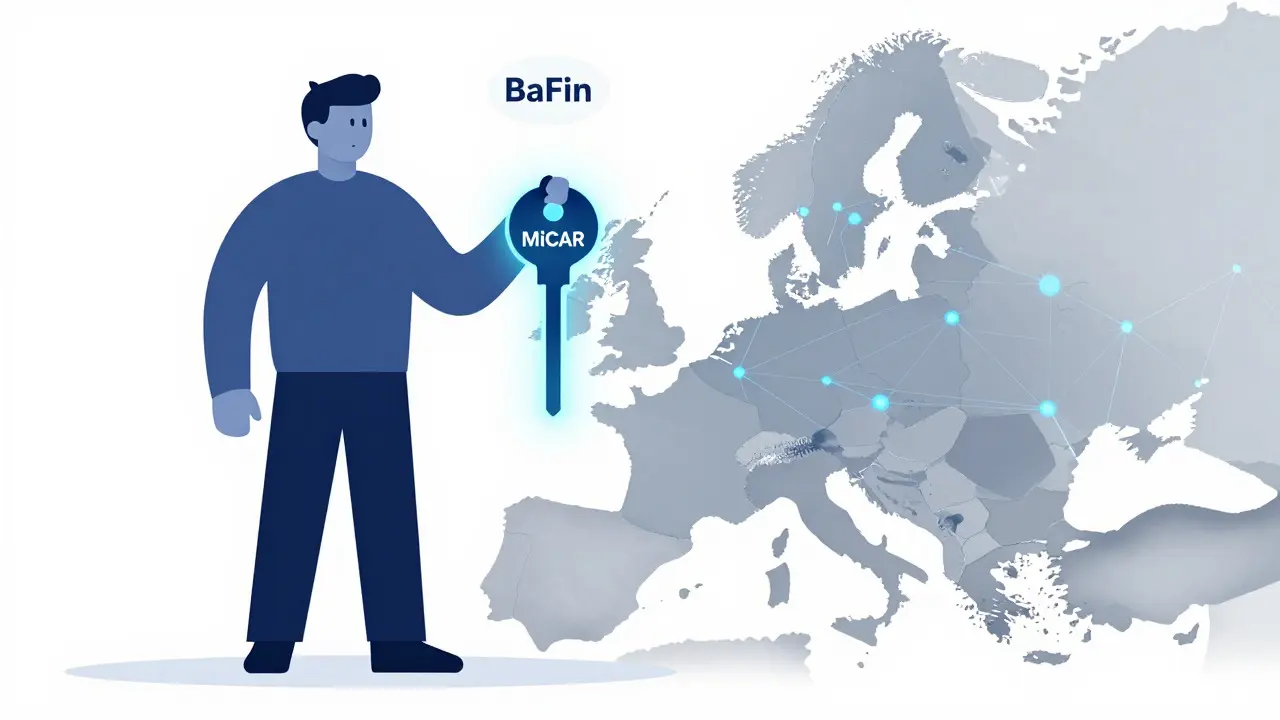
If you are running a crypto business in Germany or targeting German customers, ignoring BaFin is not an option. It is the regulator that holds the keys to your operational survival.
The landscape has shifted dramatically since the early days of Bitcoin. What used to be a gray area is now a highly structured, strictly enforced regime. With the full implementation of the EU's Markets in Crypto-Assets Regulation (MiCAR), Germany has become one of the most transparent-and demanding-jurisdictions in Europe for digital assets. You need to know exactly where the lines are drawn, what licenses you need, and how recent enforcement actions signal BaFin’s current mood.
The Regulatory Backbone: From KWG to MiCAR
To understand BaFin’s oversight, you have to look at the legal foundation. For years, the German Banking Act (Kreditwesengesetz, KWG) was the primary tool. It classified crypto assets as financial instruments, meaning any service involving them required authorization. But this framework was patched together over time.
Now, the game has changed with MiCAR. This European regulation provides a unified rulebook for the entire bloc. In Germany, two specific laws bridged the gap between old rules and new standards: the Act on the Digitalisation of the Financial Market (FinmadiG) and the Act on the Supervision of Markets for Crypto-Assets (KMAG). These acts introduced transitional provisions. If you held a license under the old system, it remained valid until December 31, 2025. After that date, everyone must operate under a MiCAR-compliant license. There is no more grandfathering. The transition period is effectively over, and BaFin is now enforcing the new standard uniformly.
This shift means that whether you are dealing with cryptocurrencies, stablecoins, or security tokens, the requirements are stricter, clearer, and pan-European. BaFin doesn’t just watch; it actively shapes how these services are delivered within German borders.
Who Needs a License? Defining the Scope
A common mistake founders make is assuming they only need a license if they are headquartered in Berlin or Frankfurt. That is incorrect. BaFin’s authority extends to any entity providing crypto-asset services within Germany. This includes custody, trading, exchange operations, and even certain types of advisory services.
Here is how BaFin determines if you fall under their jurisdiction:
- Physical Presence: Do you have a legally dependent branch or physical office in Germany? If yes, you need authorization.
- Active Targeting: Are you based abroad but actively marketing to natural or legal persons with registered offices or habitual residence in Germany? If you are reaching out to them, you need a license.
- Passive Freedom: If a German customer initiates contact with you purely on their own initiative, without you advertising to them, you might fall under the passive freedom to provide services. However, this exception is narrow and risky to rely on exclusively.
Even if you serve non-residents, if your operational base or decision-making center is in Germany, BaFin considers you domestic. The regulator looks at substance over form. If you are conducting business from a German address, expect scrutiny.
AML and KYC: The Travel Rule in Action
Compliance isn’t just about getting the license; it’s about daily operations. The biggest hurdle for many operators is Anti-Money Laundering (AML) compliance. In Germany, this is governed by the German Crypto Asset Transfer Regulation (KryptoWTransferV).
This regulation implements the international 'travel rule' set by the Financial Action Task Force (FATF). Here is what it demands from you:
- Originator Information: You must collect detailed data about the person sending the crypto.
- Beneficiary Information: You must verify the identity of the person receiving the crypto.
- Data Transmission: You must transmit this information along with the transaction to the next service provider in the chain.
This applies to all transfers above certain thresholds. The goal is to ensure that every crypto transfer is traceable. No anonymous wallets. No dark web loopholes. If your platform allows users to send funds without rigorous Know Your Customer (KYC) checks, BaFin will view it as a systemic risk. Recent inspections have shown that IT infrastructure must support these checks automatically. Manual processes are often deemed insufficient for high-volume exchanges.
Enforcement Reality: Lessons from Ethena and Wirecard
Regulations on paper mean little without enforcement. BaFin has signaled its seriousness through high-profile actions. The shadow of the Wirecard scandal still looms large, making the regulator exceptionally cautious about corporate governance and IT security.
A stark example occurred in mid-2025. On June 25, 2025, BaFin ordered the winding up of Ethena GmbH's operations related to USDe stablecoins in Germany. Token holders were given a deadline until August 6, 2025, to redeem their tokens. BaFin appointed a special representative to oversee the process. This wasn’t a minor fine; it was a forced exit from the market. It sent a clear message: if your product structure or reserve backing does not meet regulatory standards, you will be shut down, regardless of your brand size.
This contrasts with the earlier post-Wirecard era, where BaFin was known for slow, bureaucratic delays. Recently, however, they have improved efficiency. Decisions on MiCAR authorizations are now being issued within months rather than years. They want compact presentations and strict adherence to deadlines. The message is simple: be prepared, be precise, and move fast.
Tax Implications and Reporting Duties
Compliance also intersects with tax law. On March 6, 2025, the Federal Ministry of Finance published updated circulars that replaced vague terms like 'virtual currencies' with the standardized term 'crypto assets.' This update clarified several critical points for businesses and individuals:
- Staking Distinction: Active staking (where you manage nodes or validate transactions) is treated differently from passive staking (earning rewards from a pool). The tax implications vary significantly.
- DeFi Clarity: For the first time, guidelines addressed decentralized finance protocols, providing a framework for taxing yields and liquidity mining.
- Valuation Rules: Taxpayers must use daily market rates for valuing crypto assets. Documentation obligations are stricter than ever.
For businesses, this means your accounting systems must integrate seamlessly with tax reporting tools. BaFin may not handle taxes directly, but they coordinate with tax authorities. Discrepancies in your financial reports can trigger regulatory inquiries. Keep your records immaculate.
Navigating Gray Areas: Mining, Payments, and Trading
Not every interaction with crypto requires a full banking license, but the line is thin. Let’s break down specific scenarios:
Accepting Crypto as Payment: If you run a shop and accept Bitcoin directly for goods, you generally do not need a BaFin license. This is considered a substitute currency transaction. However, if you use a third-party payment processor that converts the crypto to euros before paying you, that processor needs a license. If they don’t have one, BaFin can pursue legal action against you for using unlicensed financial services. Always vet your payment partners.
Mining Pools: Operating a mining pool usually triggers licensing requirements. Why? Because you are facilitating transactions and often pooling resources for others, which constitutes a financial service under Section 1(1a) no. 4 of the KWG. If you advertise your pool publicly, you are likely in the crosshairs.
Proprietary Trading: If you trade your own capital quietly, you might escape licensing. But if you advertise your trading strategies or invite others to join your trades via internet forums, you are creating a market. That requires a license.
| Activity | License Required? | Key Risk Factor |
|---|---|---|
| Direct Merchant Acceptance | No (usually) | Using unlicensed payment processors |
| Custody Services | Yes | IT security failures, loss of assets |
| Mining Pool Operation | Yes | Public advertising, facilitating third-party trades |
| Private Prop Trading | No | Becomes 'Yes' if marketed to public |
| Cross-Border Service to Germans | Yes | Active marketing vs. passive customer initiation |
White Papers and Public Offerings
If you plan to launch a new token or offer crypto-assets to the public, MiCAR imposes strict white paper requirements. You cannot just drop a link on Twitter. You must prepare a detailed document outlining the project’s risks, technology, and economic model. This white paper must be submitted to BaFin for approval before the public offering begins.
BaFin reviews these documents for clarity and completeness. Misleading statements can lead to severe penalties. The review process is part of the broader authorization procedure, so factor in additional time for this step. Transparency is not just a buzzword here; it is a legal mandate.
Strategic Takeaways for 2026 and Beyond
The regulatory environment in Germany is no longer evolving slowly; it is moving at the speed of the market. BaFin has demonstrated that it can act decisively, as seen with Ethena, and efficiently, as seen with recent license approvals. For businesses, this offers stability but demands precision.
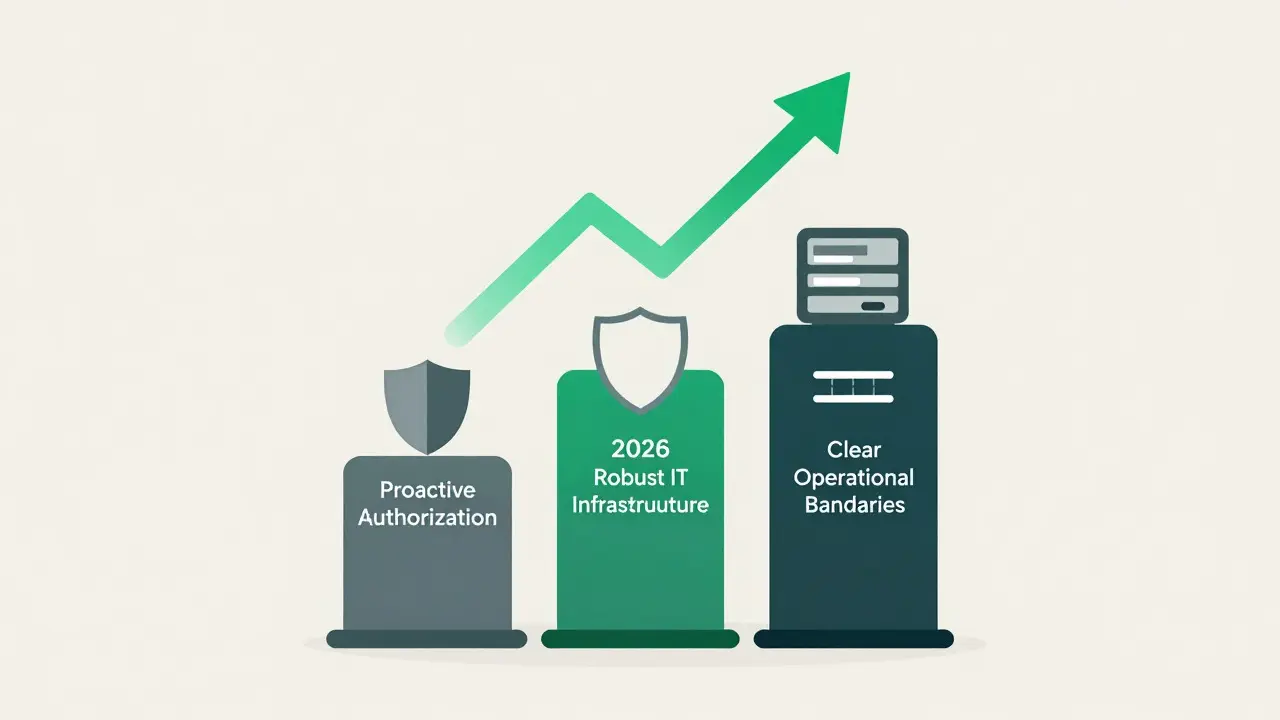
Your strategy should focus on three pillars:
- Proactive Authorization: Do not wait for BaFin to find you. Apply for your MiCAR license early. Use the streamlined processes to your advantage.
- Robust IT Infrastructure: Invest in cybersecurity and automated AML/KYC systems. BaFin inspects your tech stack as rigorously as your financial books.
- Clear Operational Boundaries: Define exactly what services you offer. Avoid mixing licensed and unlicensed activities without clear segregation. Consult legal experts to navigate the nuances of active vs. passive service provision.
Germany remains a top destination for crypto innovation because of this clarity. Yes, the hurdles are high. But once cleared, you operate in a jurisdiction that commands respect across the EU. Compliance is not a cost center; it is your competitive advantage.
Does BaFin regulate Bitcoin specifically?
Yes, but indirectly. BaFin regulates the services surrounding Bitcoin, such as exchanges, custodians, and advisors. Since 2013, Germany has recognized Bitcoin as a 'unit of account,' giving it legal status. Any business handling Bitcoin for clients must comply with BaFin’s authorization requirements under the KWG and MiCAR frameworks.
What happened to the Ethena GmbH case?
In June 2025, BaFin ordered the winding up of Ethena GmbH’s operations in Germany due to compliance issues with its USDe stablecoin. Token holders had until August 6, 2025, to redeem their tokens. This case highlights BaFin’s willingness to enforce strict standards on stablecoin issuers and protect consumer assets.
Do I need a license if I just accept crypto payments?
Generally, no. Accepting cryptocurrency directly as payment for goods or services is considered a substitute currency transaction and does not require a BaFin license. However, if you use a third-party payment processor to convert crypto to fiat, that processor must be licensed. Using an unlicensed processor can expose you to legal risk.
How does MiCAR change things for crypto businesses?
MiCAR replaces fragmented national rules with a unified EU framework. In Germany, it mandates stricter white paper disclosures for public offerings, enhanced IT security standards, and uniform AML/KYC procedures. All existing licenses transitioned to MiCAR compliance by December 31, 2025, meaning all operators now face the same high standards.
What is the KryptoWTransferV regulation?
The KryptoWTransferV is Germany’s implementation of the FATF travel rule. It requires crypto asset service providers to collect and transmit originator and beneficiary information for all transfers. This ensures that crypto transactions are traceable, combating money laundering and terrorist financing.
Can foreign companies serve German customers without a license?
Only under strict conditions. If a foreign company actively markets to German residents, it needs a BaFin license. If a German customer independently contacts the foreign company (passive freedom to provide services), a license may not be required. However, this exception is narrow, and BaFin closely monitors active targeting behaviors.