Ballswap Crypto Exchange Review: Is It Worth Your Money in 2026?
 Aug, 25 2026
Imagine trying to buy a coffee at a shop where the line is three hours long, the barista only accepts exact change, and you might lose your wallet if you sneeze. That’s roughly what using Ballswap feels like for most traders today. Launched in 2022 on the Ethereum blockchain, Ballswap positions itself as a community-focused decentralized exchange (DEX) that rewards users with its native BSP token. But does it actually deliver value, or is it just another small project struggling to find its footing in a crowded market?
In this review, we’re cutting through the hype to look at the real numbers. We’ll break down the user experience, security risks, and whether the promised rewards are worth the high gas fees and limited liquidity. If you’re considering swapping ETH for BSP or holding the token for passive income, here’s what you need to know before you commit.
Key Takeaways
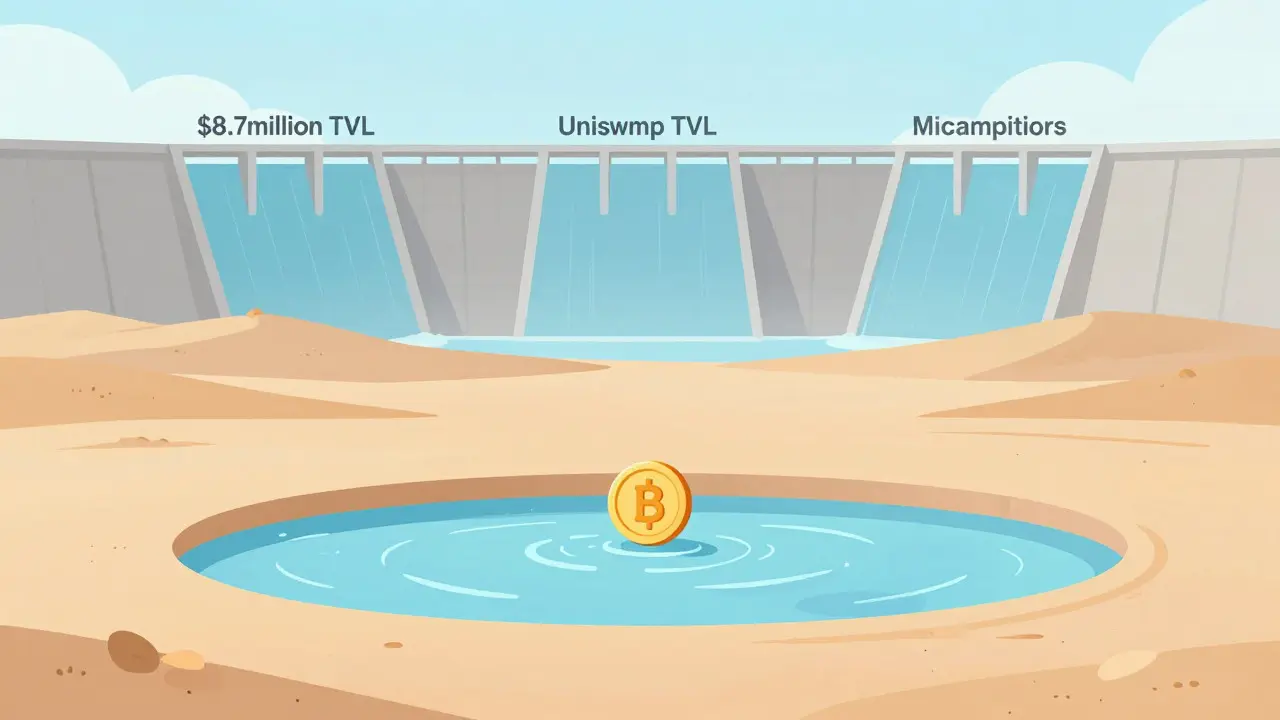
- High Risk, Low Reward: With a Total Value Locked (TVL) of only $8.7 million compared to Uniswap’s $5.2 billion, Ballswap lacks the liquidity depth for large trades.
- Slippage Pain: Average slippage sits at 2.8%, significantly higher than industry leaders like Uniswap (0.35%), eating into profits on trades over $100.
- Community Rewards: The platform distributes 45% of transaction fees to BSP holders, a unique feature but insufficient to offset trading costs for active traders.
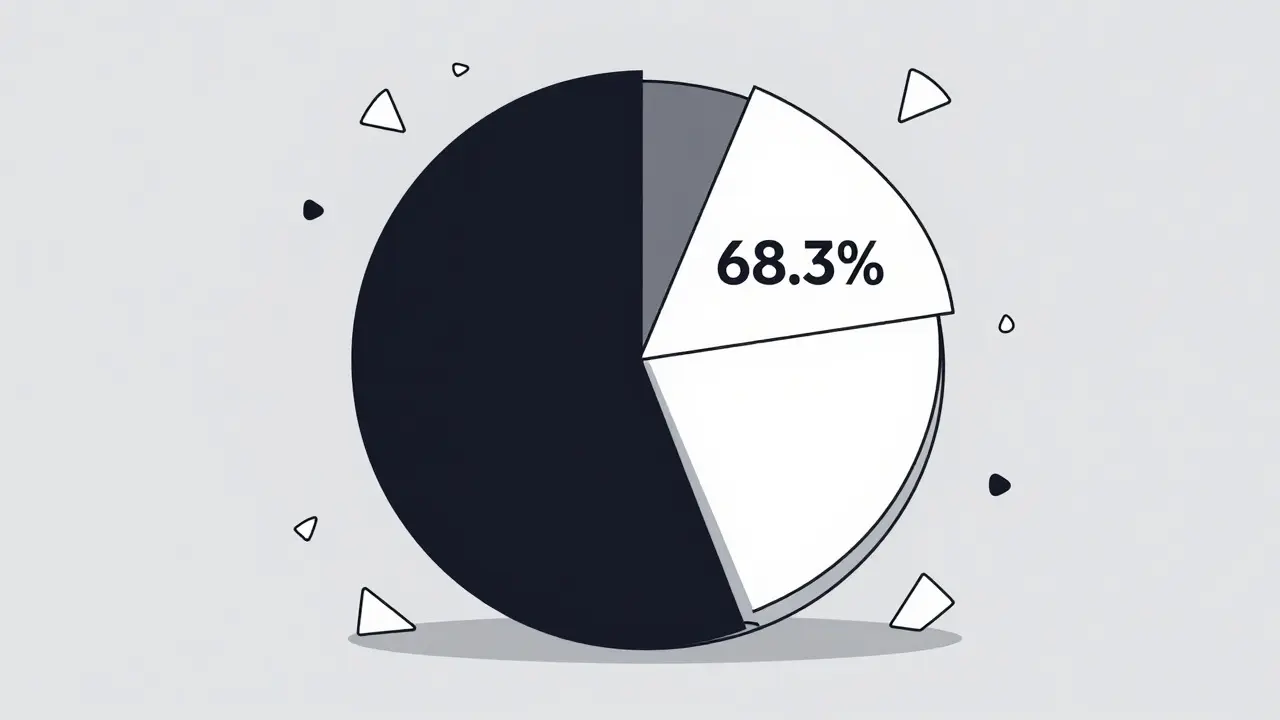
- Security Concerns: No publicly verifiable smart contract audits and top 10 wallets holding 68.3% of the supply raise red flags for long-term investors.
- Niche Appeal: Best suited for small-scale retail traders interested in speculative DeFi plays, not for serious volume trading.
The Basics: What Is Ballswap Really?
At its core, Ballswap is an Automated Market Maker (AMM) protocol operating exclusively on the Ethereum network. Unlike centralized exchanges like Coinbase or Binance, there’s no middleman holding your funds; instead, you connect a wallet like MetaMask or Trust Wallet directly to the smart contracts. The mainnet launched in August 2022, and the platform has since updated to version 1.2, focusing primarily on UI improvements rather than major technical overhauls.
The native asset, the BSP token, follows the standard ERC-20 format. Its primary utility isn’t just for paying fees, but for participating in the platform’s reward distribution system. According to their whitepaper, 45% of all transaction fees generated on the platform are distributed to BSP token holders. This is a significant differentiator from giants like Uniswap, which doesn’t share fees with token holders in the same direct manner. However, this model relies heavily on consistent trading volume to be profitable, which brings us to the biggest issue: activity levels.
User Experience and Performance Metrics
Getting started with Ballswap takes about 23 to 28 minutes for a new user, according to usability studies by Bitget. This includes setting up your Ethereum wallet, adding the correct network settings, and completing your first swap. While manageable for experienced DeFi users, it’s a steep learning curve for beginners who might get confused by gas fee estimates or contract approvals.
Once you’re in, the interface is functional but sparse. There are no limit orders, stop-losses, or advanced charting tools. You get a simple swap box: select input, select output, confirm, and wait. Transaction speeds average between 15 and 30 seconds, depending on Ethereum network congestion. Here’s where it gets tricky: gas fees. As of mid-2024, swapping on Ballswap typically costs between $1.20 and $5.80 in gas. On a $50 trade, that’s a hefty percentage of your principal gone just to move the tokens.
| Feature | Ballswap | Uniswap | PancakeSwap |
|---|---|---|---|
| Total Value Locked (TVL) | $8.7 Million | $5.2 Billion | $1.1 Billion |
| Average Daily Volume | $142,000 | $1.8 Billion | $450 Million |
| Average Slippage | 2.8% | 0.35% | 0.8% |
| Active Trading Pairs | 7 | Thousands | Hundreds |
| Fee Sharing Model | 45% to Holders | None Directly | Varies by Pool |
Notice the gap in daily volume? Ballswap processes about $142,000 per day. Compare that to Uniswap’s $1.8 billion. This low volume means thin order books (or rather, thin liquidity pools). When you try to swap a larger amount, say $500 or more, you’re moving a significant portion of the pool’s balance, causing the price to shift against you. This is known as slippage. For Ballswap, the average slippage is 2.8%. In practical terms, if you swap $1,000 worth of ETH, you might end up with only $972 worth of BSP due to price impact alone, before even counting gas fees.
Security and Tokenomics Risks
Security is always a top concern in DeFi, and Ballswap has some notable gaps. Unlike established platforms that publish detailed audit reports from firms like CertiK or OpenZeppelin, Ballswap’s smart contract audits aren’t publicly disclosed. This lack of transparency makes it harder for independent experts to verify the code’s safety. DeFi safety expert Sarah Kim rated the platform’s security as "medium risk" specifically citing this absence of verifiable audits.
Beyond code security, there’s the issue of token concentration. Data from Etherscan shows that the top 10 wallets hold 68.3% of the total BSP supply. In a healthy, decentralized ecosystem, you’d expect a much wider distribution. When so many tokens are held by a few entities, it creates two problems: potential insider manipulation and lower organic demand. If one of these large holders decides to sell, the price could crash instantly, leaving smaller holders with illiquid assets.
The roadmap promises a "BSP 2.0 token migration" and cross-chain functionality by 2025. While exciting on paper, these announcements lack specific technical details. Without clear milestones or developer updates, it’s hard to gauge if these features will actually materialize or if they’re just marketing fluff to keep the community engaged.
Is the Community Rewards Model Profitable?
Let’s do the math on the rewards. The platform claims to distribute 45% of transaction fees to BSP holders. Given the daily volume of $142,000 and assuming a standard 0.3% fee structure, the daily fee revenue is approximately $426. Forty-five percent of that is about $191.70 per day. Spread across the entire BSP supply, the yield per token is extremely low unless you hold a massive amount of BSP.
Users on Reddit have reported receiving small distributions, like 12.7 BSP tokens for holding. While better than nothing, this passive income rarely covers the cost of entry if you bought BSP during a price spike. For the rewards to be meaningful, the token price needs to remain stable or grow while the volume increases. Currently, with low volume and high volatility, the rewards are more of a novelty than a reliable income stream.
Who Should Use Ballswap?
So, who is this actually for? Based on the data, Ballswap is not for professional traders, high-frequency scalpers, or anyone moving significant capital. The slippage and gas fees make efficient trading nearly impossible.
It might appeal to:
- Speculative Retail Traders: Those willing to take high-risk bets on small-cap DeFi projects hoping for a breakout.
- Community Loyalists: Users who value the social aspect of the Telegram group (approx. 2,800 members) and want to support a niche project.
- Small-Scale Swappers: Individuals making trades under $50 where the absolute dollar loss from slippage is negligible.
If you fall outside these categories, sticking to major DEXs like Uniswap or PancakeSwap is likely a safer and more cost-effective choice. They offer deeper liquidity, lower slippage, and proven security track records.
Frequently Asked Questions
Is Ballswap safe to use?
It carries medium risk. While the platform has operated without major hacks, the lack of public smart contract audits and high token concentration among top holders pose risks. Always start with small amounts to test the waters.
What is the best wallet for Ballswap?
MetaMask is the most widely supported and recommended wallet for Ballswap. Trust Wallet and Coinbase Wallet also work, but ensure you are connected to the Ethereum Mainnet, not any testnets or other chains.
How much does it cost to trade on Ballswap?
You pay two costs: the platform fee (typically included in the price impact) and Ethereum gas fees. Gas fees currently range from $1.20 to $5.80 per transaction. Additionally, expect 2.8% slippage on average, which effectively reduces the amount of tokens you receive.
Can I earn passive income with BSP tokens?
Yes, BSP holders receive a share of transaction fees. However, due to low trading volume, the yield is currently very low. It is not considered a reliable source of passive income compared to staking ETH or providing liquidity on major DEXs.
Will Ballswap launch on other blockchains?
The roadmap mentions cross-chain functionality by Q2 2025, but no specific chains have been confirmed yet. Until official announcements are made, assume Ballswap remains exclusive to the Ethereum network.