Biswap V3 Review: Is This Low-Fee DEX Still Worth It in 2026?
 Apr, 19 2026
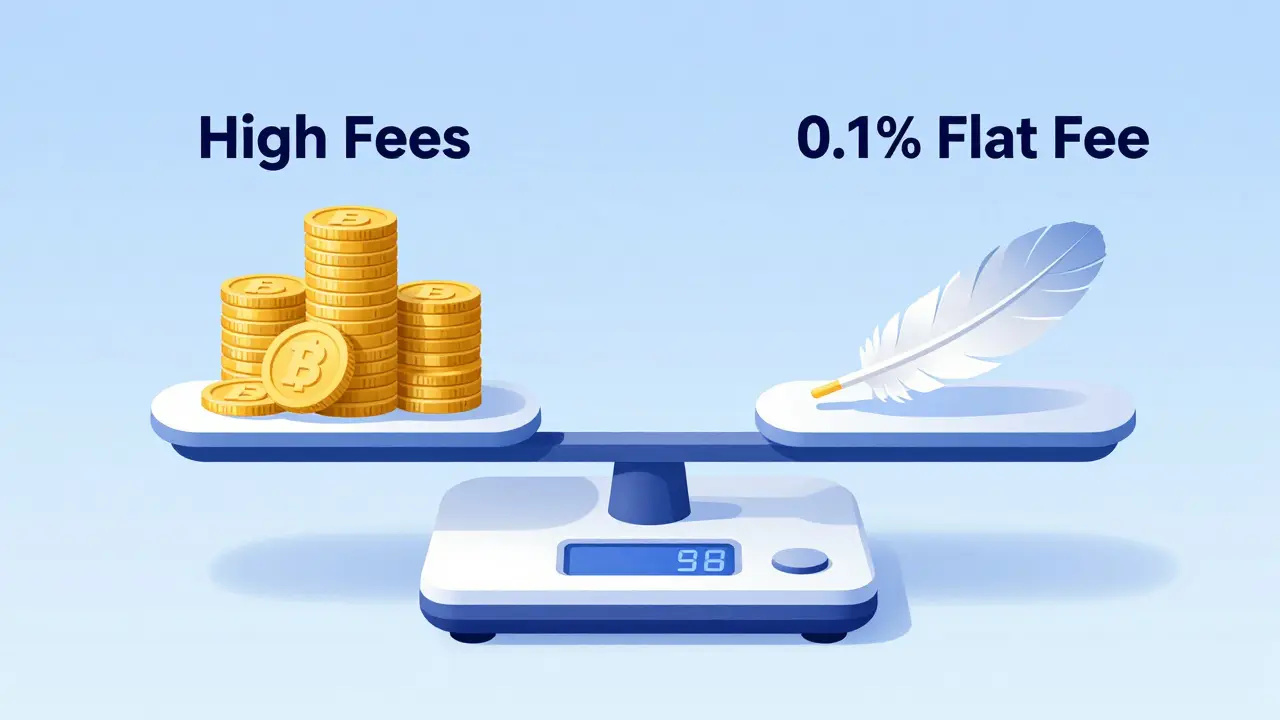
Most decentralized exchanges force you to choose between high slippage or high fees. It is a frustrating trade-off that eats into your profits, especially if you are swapping smaller amounts frequently. Biswap is a multi-chain decentralized exchange (DEX) that aims to kill that trade-off with a flat 0.1% trading fee. By leveraging a V3 Automated Market Maker (AMM) model, it focuses on efficiency and high capital utilization, making it a strong contender for those who find Uniswap or PancakeSwap too expensive.
The Core Mechanics of Biswap V3
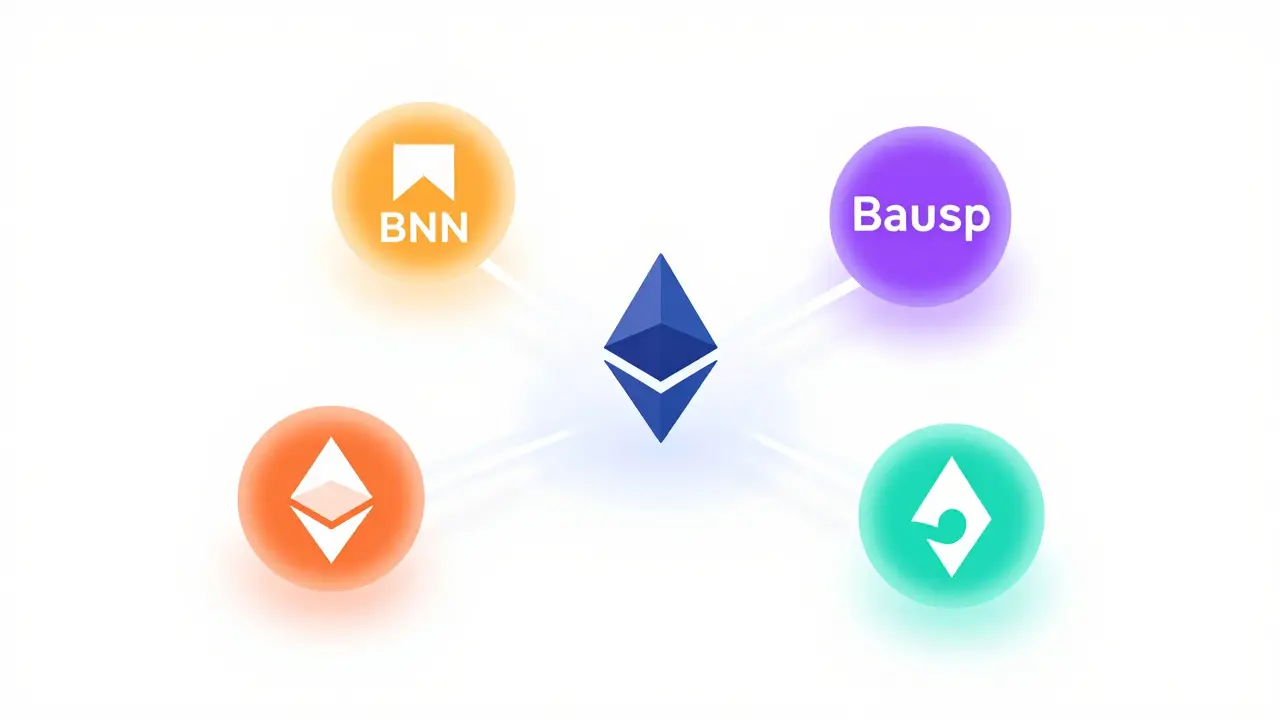
At its heart, Biswap isn't just a simple swap tool. It uses a V3 AMM is a protocol that allows liquidity providers to specify the price range where their assets are deployed . This is a game-changer compared to V2 systems where your money is spread across the entire price curve from zero to infinity. With Biswap v3 crypto exchange review and analysis, the biggest takeaway is "concentrated liquidity." This means if you think an asset will trade between $1.90 and $2.10, you can put your money exactly there, earning significantly more fees than if your liquidity was spread thin.
The fee structure is where the platform really stands out. While other DEXs might charge 0.3%, Biswap keeps it at 0.1%. Here is how that breaks down: 0.05% goes straight to the people providing the liquidity, and 0.05% is used to burn BSW tokens . This creates a semi-deflationary effect; the more people trade, the more tokens disappear from the supply, which theoretically supports the token's value over time.
Evaluating the BSW Token Ecosystem
The BSW token is the engine that keeps the platform running. It's not just a governance token you hold and hope goes up; it has actual utility. You need it to access the NFT marketplace and participate in governance decisions. The tokenomics are fairly transparent, with a maximum supply of 700 million. A massive chunk-over 80%-is dedicated to farming and staking rewards to attract new users.
If you are looking at the token from an investment perspective, it is listed on heavy hitters like Binance and Bybit , which gives it a level of liquidity and visibility that smaller DEX tokens lack. However, the heavy emission of rewards for farmers can create sell pressure, so you have to weigh the platform's growth against the inflation of the reward tokens.
| Feature | Value/Detail | Impact on User |
|---|---|---|
| Trading Fee | 0.1% | Extremely low cost for frequent traders |
| Supported Chains | BNB Chain, Ethereum, Base, Arbitrum | Flexibility and lower gas costs |
| Liquidity Model | Concentrated Liquidity (V3) | Higher efficiency for liquidity providers |
| Max Token Supply | 700 Million BSW | Capped inflation |
| KYC Requirement | None | Instant access via wallet connection |
Multi-Chain Expansion: Moving Beyond BNB
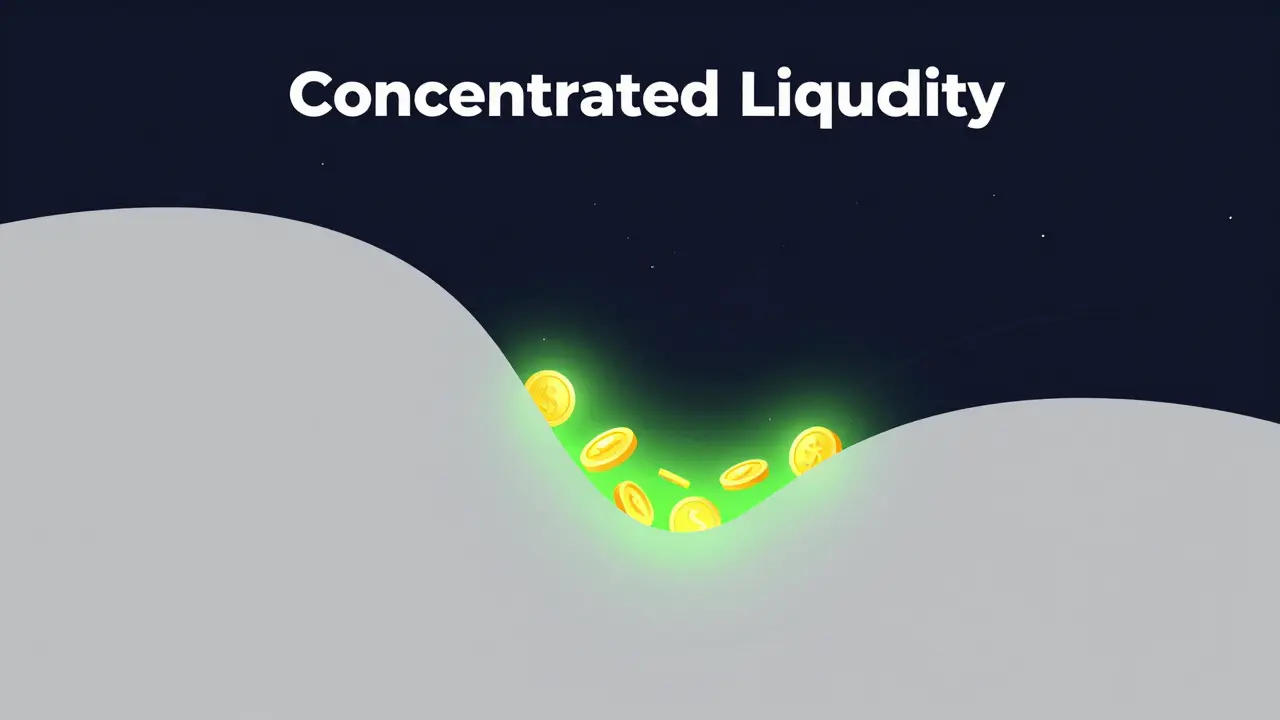
Biswap started as a powerhouse on the BNB Smart Chain , but staying on one chain is a death sentence in today's market. They have expanded to Ethereum , Base , and Arbitrum . This move is critical because it lets users escape the congestion of a single network. For example, if Ethereum gas fees spike, you can move your operations to Base or Arbitrum and keep trading without spending $20 on a single transaction.
This multichain approach also solves the liquidity fragmentation problem. By being present on multiple layers, Biswap can capture volume from different ecosystems, whether you are a DeFi degenerate on Arbitrum or a retail user on Base. The ability to swap cross-chain makes the platform feel more like a complete financial hub rather than just a niche tool for one specific coin.
Making Money: Farming and Liquidity Provision
For those who don't just want to trade but want to earn, the "Farms" section is where the action is. By providing liquidity-essentially lending your tokens to the pool so others can trade-you earn a share of the fees plus BSW rewards. In some high-yield pairs, like USDT/BSW, users have seen APYs ranging from 40% to 45%. That is a massive return compared to traditional finance, but it comes with a catch: impermanent loss.
Impermanent loss happens when the price of your deposited assets diverges. If one coin moons and the other stays flat, you might have been better off just holding the coins in your wallet. This is where the V3 concentrated liquidity helps. By narrowing your range, you can potentially earn more fees to offset that loss, provided you are active in managing your positions. It's not a "set it and forget it" strategy; it requires a bit of market timing and attention.
Additionally, Biswap has a three-tier referral system. If you bring in a friend, you earn a commission on their swaps and farming activity. It is a clever way to grow the user base organically without spending millions on traditional marketing ads.
The Risks: What to Watch Out For
No DeFi project is without risk. First, the team is anonymous, operating under the name "EK." While they have the backing of Binance Labs and won the Most Valuable Builder (MVB) program, the lack of public identities is always a slight red flag in the world of decentralized finance. If something goes wrong, you can't exactly call a CEO.
Then there is the history of security. Like many early DeFi projects, Biswap has dealt with exploits in the past. While they have hardened their security since then, the smart contract risk always exists. If a new bug is found in the V3 logic, your funds could be at risk. This is why using a hardware wallet and only depositing what you can afford to lose is the only sane way to play the DeFi game.
Lastly, the competition is fierce. Every new chain launches its own DEX, and giants like Uniswap are constantly updating their tech. Biswap's survival depends on whether its low-fee hook is enough to keep users from jumping to the next shiny new protocol.
Final Verdict: Is it for You?
If you are a high-volume trader who is tired of losing a percentage of every trade to fees, Biswap is a fantastic tool. The 0.1% fee is genuinely competitive. If you are a liquidity provider, the V3 concentrated liquidity options give you the tools to maximize your yield, provided you understand how to manage your price ranges.
However, if you are a complete beginner who is scared of "impermanent loss" or the idea of an anonymous team, you might find it a bit too risky. The platform is streamlined and requires no KYC, meaning you just connect your wallet and go. It's the peak of DeFi convenience, but that convenience comes with the responsibility of managing your own security.
What is the main advantage of Biswap V3 over V2?
The main advantage is concentrated liquidity. Instead of spreading your assets across all possible prices, V3 allows you to pick a specific price range. This makes your capital more efficient, reduces slippage for traders, and allows liquidity providers to earn higher fees on the volume that actually occurs within their chosen range.
Is Biswap safe to use?
Biswap is backed by Binance Labs and has a large, active user base, which adds a layer of credibility. However, like all DEXs, it carries smart contract risk. The development team is also anonymous. To stay safe, avoid keeping all your funds in a single pool and always use a secure wallet.
How do I earn BSW tokens on the platform?
You can earn BSW by providing liquidity to the pools in the "Farms" section. When you deposit a pair of tokens (like BSW and USDT), you earn a portion of the trading fees plus additional BSW rewards as an incentive for providing liquidity to the ecosystem.
Does Biswap require KYC?
No, Biswap is a fully decentralized exchange. You do not need to provide any personal identification, email, or phone number. All you need is a compatible crypto wallet (like MetaMask or Trust Wallet) to connect and start trading.
Which blockchains does Biswap support?
Biswap supports several major networks to ensure low fees and high speed, including the BNB Smart Chain, Ethereum, Base, and Arbitrum. This allows users to choose the chain that best fits their budget for gas fees.