Coincall Crypto Exchange Review: Institutional-Grade Options & Futures
 Aug, 2 2026
Most crypto exchanges feel like a gamble. You deposit your funds, hope the platform doesn't get hacked, and pray they aren't playing with your money behind the scenes. But what if you could trade complex instruments like options and futures on a platform built by former Wall Street veterans who actually care about security? That is the promise of Coincall, a cryptocurrency derivatives exchange specializing in options and futures trading.
Launched by a team that includes ex-traders from Binance, JP Morgan, Optiver, and UBS, Coincall isn't trying to be everything for everyone. Instead, it focuses on one thing: bringing institutional-grade infrastructure to retail and pro traders. If you are tired of clunky interfaces and opaque fee structures, this review will tell you exactly where Coincall shines and where you might want to look elsewhere.
Who Is Behind Coincall?
In the crypto world, trust starts with the team. You don't need a PhD to know that a platform run by experienced professionals is less likely to implode overnight than one run by anonymous developers. Coincall was founded by CEO Jimmy Zhong, who assembled a group of traders with deep roots in traditional finance and top-tier crypto firms.
Here is why their background matters:
- Proven Track Record: The founding team previously managed a crypto trading desk with over $300 million in assets under management.
- Top-Tier Performance: They ranked #1 globally on Binance's profit and loss leaderboard in both 2020 and 2021. That is not luck; that is skill.
- Institutional Pedigree: With experience at JP Morgan, UBS, and Optiver, they understand compliance, risk management, and liquidity better than most startup founders.
This expertise shows up in how the platform is built. It’s designed to handle high volumes and sophisticated strategies without breaking a sweat. For the average trader, this means fewer technical glitches and more reliable execution when the market moves fast.
Security and Custody: Where Your Money Actually Lives
Let’s talk about the elephant in the room: safety. We have seen too many exchanges go bust because they mixed user funds with operational capital or stored them insecurely. Coincall takes a different approach.
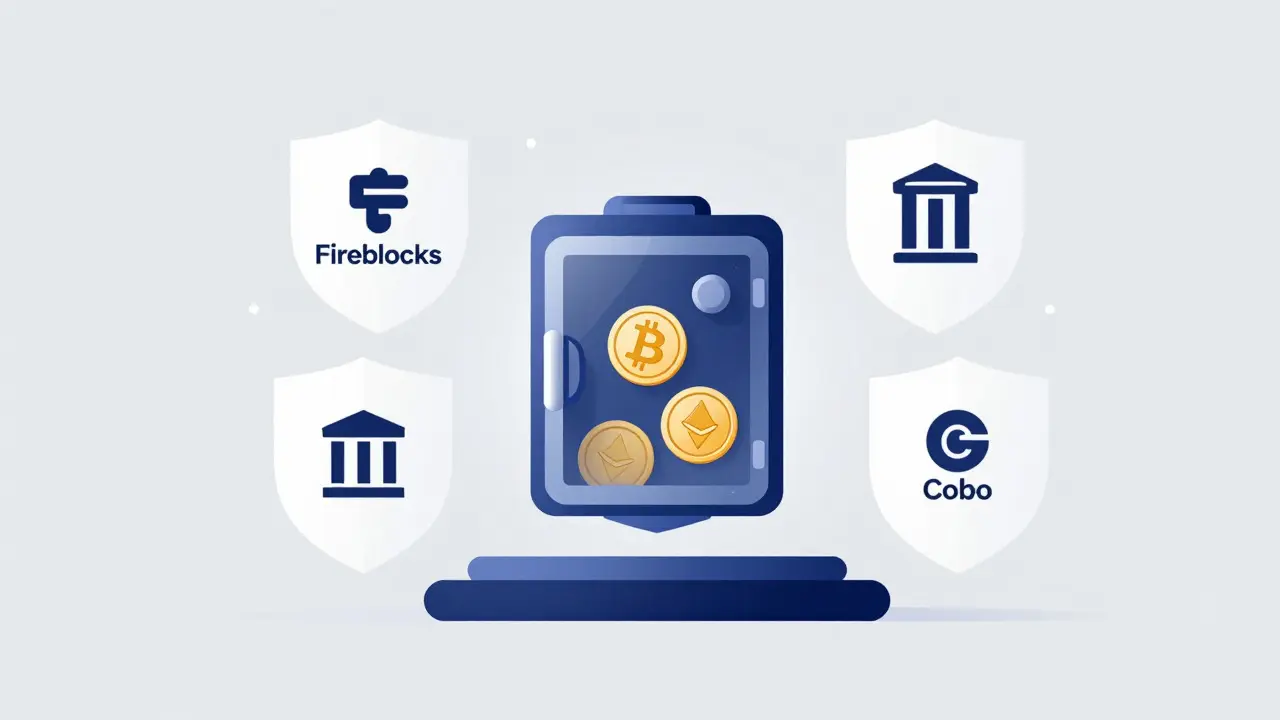
One hundred percent of client assets are held by third-party custodians. This is a huge deal. It means Coincall itself does not hold your keys. Instead, they partner with industry giants like Fireblocks and Cobo. These providers maintain SOC 2 Type 1 and Type 2 certifications, which are gold standards for information security.
| Feature | Detail |
|---|---|
| Custody Model | 100% third-party custody (Fireblocks, Cobo, Copper) |
| Certifications | SOC 2, ISO 27001 |
| Storage Method | Cold storage for majority of assets |
| User Verification | Mandatory KYC (ID, proof of address, etc.) |
| Data Retention | 5 years after account closure |
Additionally, Coincall holds SOC 2 and ISO 27001 certifications themselves. This ensures that their internal systems, data transmission, and employee access controls are tightly regulated. They use Two-Factor Authentication (2FA) as a standard, requiring an extra step for logins and transactions. While no system is 100% hack-proof, this multi-layered approach significantly reduces your risk compared to self-custodied exchanges.
Regulatory Compliance: Trading Legally in the US and EU
If you are a US-based trader, you know the pain of being locked out of major platforms due to regulatory uncertainty. Coincall has worked hard to solve this. They are registered with the U.S. Financial Crimes Enforcement Network (FinCEN) as a Money Services Business (MSB). More importantly, they operate under the Commodity Futures Trading Commission's (CFTC) Foreign Board of Trade (FBOT) framework.
What does this mean for you? It means Coincall can legally serve US customers for derivatives trading. This is a rare advantage in the current landscape. For European users, Coincall holds a Polish crypto registration license, ensuring compliance within the EU framework.
Their compliance goes beyond just having licenses. They enforce strict Know Your Customer (KYC) and Anti-Money Laundering (AML) protocols. When you sign up, you’ll provide your name, email, phone number, government ID, and date of birth. This data is used to verify your identity and prevent fraud. While some privacy-focused traders dislike KYC, it is a necessary evil for a platform that wants to attract institutional money and remain legal in major jurisdictions.
Trading Features: Options, Futures, and Capital Efficiency
Coincall is not a spot trading hub. You won’t find hundreds of obscure meme coins here. Instead, it focuses on major cryptocurrencies like Bitcoin and Ethereum, offering sophisticated derivatives instruments.
The platform specializes in options and futures. This makes it ideal for traders who want to hedge their portfolios or speculate on price movements with leverage. The interface is designed to be intuitive, making these complex tools accessible to retail users while still providing the depth needed by pros.
One standout feature is Earn While You Trade (EWYT). In traditional derivatives trading, collateral often sits idle, earning nothing. EWYT allows you to generate yield on that idle capital while your positions are open. For institutional investors and serious retail traders, this boosts capital efficiency significantly. Why let your margin sit there doing nothing when it could be working for you?
For high-volume traders, the VIP Program offers reduced fees, priority support, and customized execution solutions. If you are moving large amounts of capital, these perks can make a real difference in your bottom line.
Fees and Promotions
Fee structures in derivatives trading can be complex, but Coincall positions itself as competitive. While specific rates vary based on volume and instrument type, the platform emphasizes low fees as a core advantage. High fees eat into profits, especially in short-term trading strategies.
New users should keep an eye on the Early Bird Program. Coincall has offered free options contracts, reduced trading fees, and priority access to new features for early adopters. These promotions are a great way to test the waters without risking significant capital. Always check the latest terms on their website, as promotional offers change frequently.
Pros and Cons: Is Coincall Right for You?
No platform is perfect. Here is a balanced look at what Coincall brings to the table and where it falls short.
| Pros | Cons |
|---|---|
| Strong institutional backing and experienced team | Limited selection of cryptocurrencies (focus on BTC/ETH) |
| 100% third-party custody enhances security | Mandatory KYC may deter privacy-focused users |
| Legal access for US traders via FBOT framework | Not suitable for simple spot trading or long-term holding |
| Innovative EWYT feature for capital efficiency | Complexity of options/futures requires learning curve |
| Competitive fee structure for derivatives | Customer support details are limited publicly |
If you are looking to buy Bitcoin and hold it for ten years, Coincall is probably overkill. But if you want to trade options, hedge against market downturns, or leverage your position with professional-grade tools, it is a compelling choice.
Final Thoughts
Coincall fills a specific niche in the crypto ecosystem. It bridges the gap between retail accessibility and institutional rigor. By focusing on security, compliance, and capital efficiency, it appeals to traders who take their money seriously. Whether you are a seasoned pro or a retail investor looking to upgrade your toolkit, Coincall offers a robust environment for derivatives trading. Just remember to start small, understand the risks of leverage, and take advantage of their educational resources and early bird perks.
Is Coincall safe for US traders?
Yes. Coincall is registered with FinCEN as a Money Services Business and operates under the CFTC's Foreign Board of Trade (FBOT) framework, allowing it to legally serve US customers for derivatives trading.
Does Coincall hold user funds directly?
No. 100% of client assets are held by third-party custodians like Fireblocks and Cobo. This segregation of funds adds a significant layer of security compared to exchanges that self-custody.
What cryptocurrencies can I trade on Coincall?
Currently, Coincall focuses on major cryptocurrencies, primarily Bitcoin (BTC) and Ethereum (ETH), offering options and futures contracts for these assets.
What is the Earn While You Trade (EWYT) feature?
EWYT allows users to generate yield on idle capital (collateral) while actively trading derivatives. This improves capital efficiency by ensuring your margin works for you even when not directly generating profit from price movement.
Do I need to complete KYC to use Coincall?
Yes. Coincall enforces mandatory Know Your Customer (KYC) procedures, including identity verification with government-issued ID, to comply with global AML regulations and maintain its institutional standing.
Who founded Coincall?
Coincall was founded by CEO Jimmy Zhong and a team of former traders from institutions like Binance, JP Morgan, Optiver, and UBS. The team previously ranked #1 on Binance's P&L leaderboard in 2020 and 2021.