Crypto Wealth Tax in Switzerland: How Private Investors Avoid Capital Gains
 Jul, 20 2026
Imagine making a six-figure profit on your Bitcoin holdings and paying zero tax on that gain. In most countries, this scenario triggers an immediate audit or a hefty bill from the revenue service. But in Switzerland, a country known for its financial privacy and favorable tax climate, it is entirely possible-if you structure your affairs correctly. The key lies in understanding the difference between income tax and wealth tax, and more importantly, how the Swiss Federal Tax Administration (FTA) classifies your digital assets.
If you are moving to Zurich, Geneva, or Zug, or if you are already a resident looking to optimize your portfolio, you need to know one thing above all else: Switzerland does not tax capital gains for private investors. However, it does tax your total net worth annually. This article breaks down exactly how the system works, what you must declare, and where the hidden traps lie.
The Core Distinction: Private Investor vs. Professional Trader
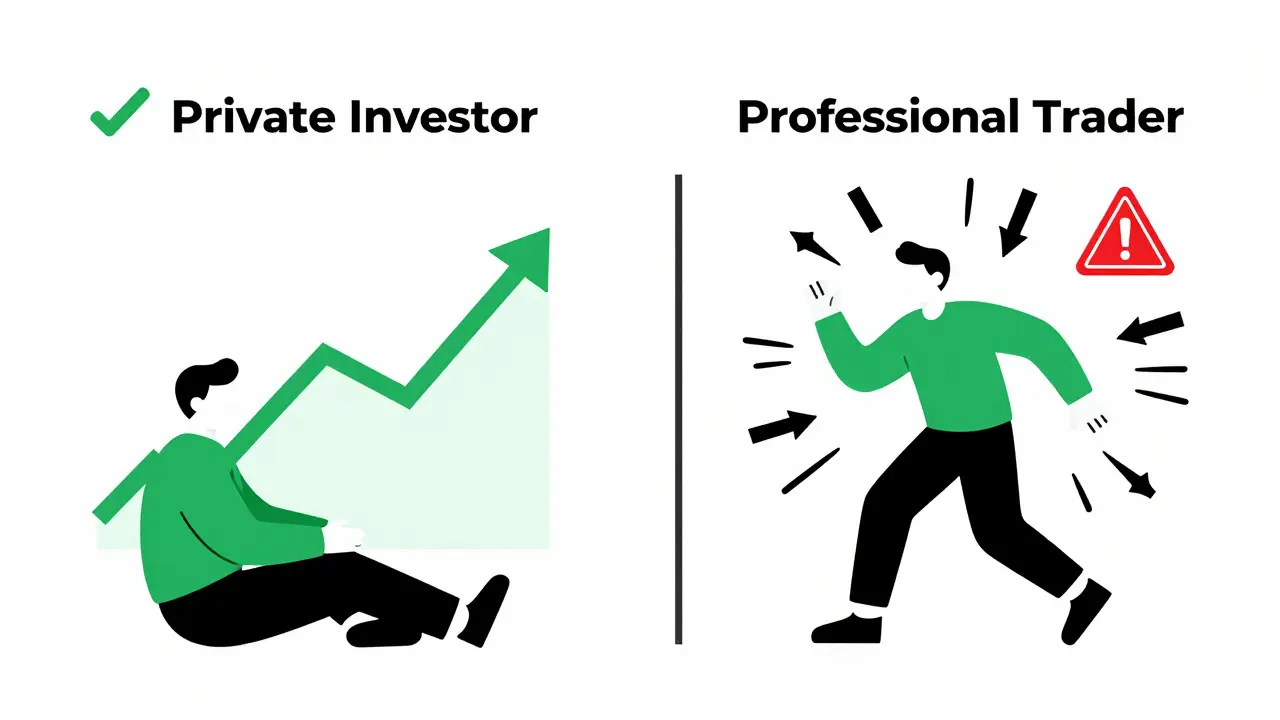
The entire Swiss crypto tax framework hinges on a single classification: are you a private investor or a professional trader? This distinction determines whether you pay tax on profits or just on the value of your holdings.
For private investors, individuals who hold cryptocurrencies as part of their personal long-term savings, the rules are exceptionally generous. Under Swiss law, capital gains from the disposal of private wealth assets-including Bitcoin, Ethereum, and other major tokens-are completely exempt from income tax. It does not matter if you made $10,000 or $10 million; if you qualify as a private investor, that profit is tax-free.
However, the FTA uses specific criteria to determine if you have crossed the line into "professional trading." If you trade frequently, use complex hedging strategies, or hold crypto as part of a business inventory, you will be classified as a professional trader. In this case, your gains are treated as ordinary income and taxed at federal, cantonal, and municipal rates, which can range significantly depending on your location and income level.
To remain a private investor, your activity should look like traditional investing: buying and holding with the intent to preserve or grow wealth over time, rather than speculating on short-term price fluctuations. Keep your transaction volume reasonable relative to your net worth, and avoid patterns that resemble day-trading.
Wealth Tax: The Annual Reality Check
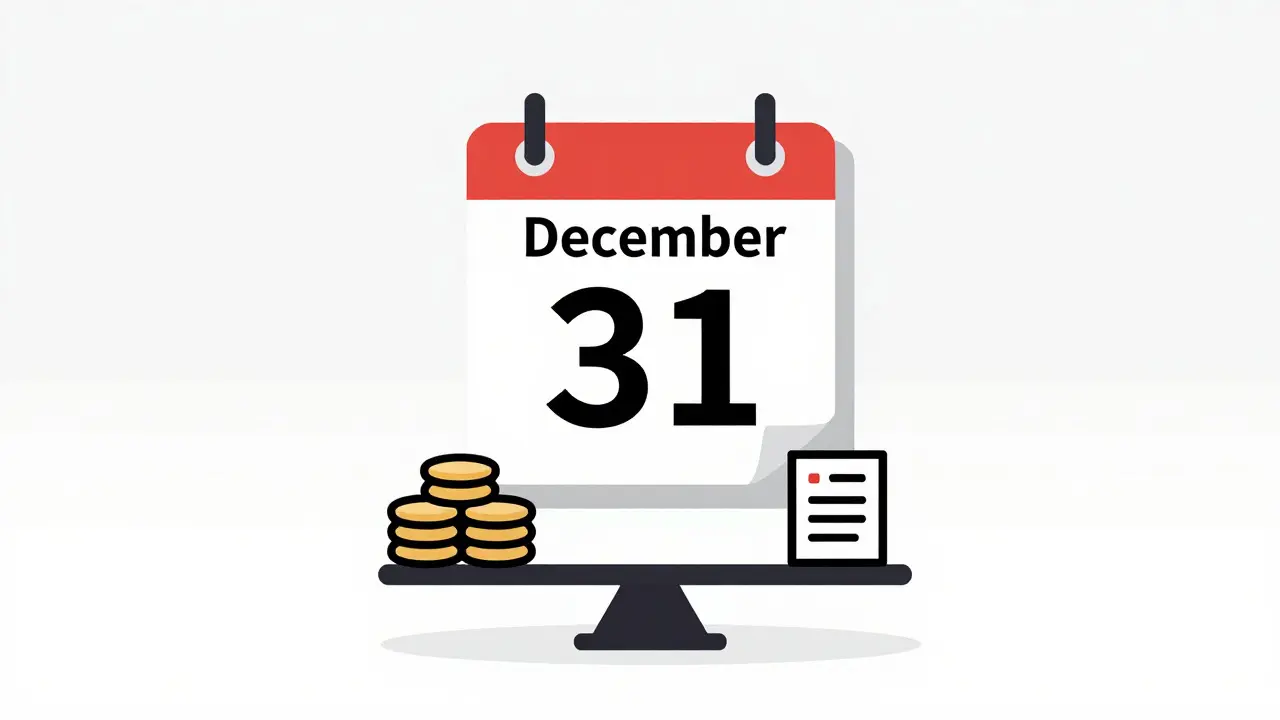
While you may escape capital gains tax, you cannot escape wealth tax. Switzerland operates a progressive wealth tax system at both the cantonal and municipal levels. Every year, as of December 31st, you must declare the total value of your global assets, including all cryptocurrencies.
This is where many new residents get tripped up. You do not pay tax on the *gain* when you sell; you pay tax on the *value* of what you hold at the end of the year. Wealth tax rates vary by canton but typically range from 0.3% to 1% of your taxable net worth. While this sounds low compared to income tax rates, it adds up quickly for high-net-worth individuals holding significant amounts of volatile assets.
| Feature | Private Investor | Professional Trader / Business |
|---|---|---|
| Capital Gains Tax | Exempt (0%) | Taxed as Income (Progressive Rates) |
| Wealth Tax Liability | Yes (Annual Net Worth) | Yes (Annual Net Worth) |
| Valuation Method | Year-End Market Value | Realization Event + Year-End Value |
| Risk of Reassessment | Low (if behavior is passive) | N/A (Already Classified) |
How to Value Your Crypto for Tax Purposes
The FTA provides clear guidance on how to value your holdings for the annual declaration. Accuracy here is crucial because underreporting can lead to penalties, while overreporting increases your tax bill unnecessarily.
For major cryptocurrencies like Bitcoin, the first decentralized cryptocurrency launched in 2009 and Ethereum, a blockchain platform supporting smart contracts and decentralized applications, the FTA publishes official exchange rates for December 31st each year. You must use these specific rates to convert your holdings into Swiss Francs (CHF). Do not use your average purchase price or the current market price on January 1st.
If you hold smaller altcoins or tokens that do not have an official FTA rate, you must use the closing price from the exchange where you primarily trade them. For obscure tokens with no liquid market, the fallback is your original acquisition cost in CHF. This creates a strange incentive: holding illiquid assets might result in a lower wealth tax assessment if their current market value is difficult to prove higher than your buy-in price.
It is also important to note that debts reduce your taxable wealth. If you have a mortgage or a loan secured against your assets, you can deduct this liability from your total asset value before calculating the tax. This means leveraging can sometimes lower your wealth tax burden, provided the debt is properly documented and recognized by the tax authorities.
Token Classification Matters
Not all cryptos are treated equally. The Swiss Financial Market Supervisory Authority (FINMA) categorizes tokens into three main types, and this classification influences how they are viewed by tax authorities:
- Payment Tokens: These include Bitcoin and Litecoin. They are treated as private wealth assets. No withholding tax applies, and capital gains are exempt for private investors.
- Utility Tokens: These provide access to a product or service. Their tax treatment depends on usage. If held for speculation, they follow the same rules as payment tokens. If used to receive services, different rules may apply.
- Asset Tokens (Security Tokens): These represent traditional securities like shares or bonds. They are subject to existing securities laws. Dividends paid by security tokens are subject to withholding tax, similar to traditional stocks.
Understanding which bucket your token falls into is essential. A security token might generate taxable dividend income even if you never sell it, whereas a payment token generates no tax until you dispose of it-and even then, only if you are a professional trader.
Staking, Mining, and DeFi: Where the Lines Blur
The rise of decentralized finance (DeFi) has complicated things. What happens when you stake your coins to earn rewards? Or mine new blocks?
In December 2024, the FTA clarified that mining activities constitute taxable business income if done professionally. For private individuals, occasional mining might still fall under private wealth appreciation, but frequent or large-scale operations will likely trigger business classification.
Staking rewards are generally treated as income upon receipt. This means if you stake ETH and earn 5% APY, those new ETH tokens are considered income in the year you receive them. You must declare this income, which could push you closer to the "professional trader" threshold if the volume is high. However, once those staking rewards are added to your wallet, they become part of your private wealth and are subject to wealth tax in subsequent years.
DeFi lending interest follows a similar logic. Interest earned is income. Principal repayment is not. Always keep detailed records of every transaction, including gas fees, as these can affect your cost basis and potential future capital gains calculations if your status ever changes.
Cantonal Variations and Optimization
Switzerland is a federation of 26 cantons, each with its own tax laws. This decentralization allows for significant variation in wealth tax rates and thresholds. Some cantons, like Zug and Schwyz, are known for lower overall tax burdens, attracting many crypto businesses and high-net-worth individuals.
When choosing where to live, consider the local wealth tax rate alongside the income tax rate. Even if you have no taxable income, your wealth tax bill will depend on your domicile. Some municipalities offer lump-sum taxation for foreigners, which can cap your total tax liability regardless of your actual wealth. This option is available to non-EU/EFTA citizens who meet certain residency requirements.
Optimization strategies often involve timing. Since wealth tax is calculated on December 31st, selling assets late in the year reduces your taxable wealth for the following year. Conversely, buying assets early in the year increases your tax base immediately. Plan your transactions around this calendar date to minimize exposure.
Common Pitfalls to Avoid
Even with a favorable system, mistakes happen. Here are the most common errors I see among expats and new investors:
- Ignoring Small Holdings: Thinking that small amounts of altcoins don't need to be declared. Everything must be reported, even if the value is negligible. Omissions can lead to questions about larger holdings.
- Misclassifying Trading Activity: Using automated bots or high-frequency trading platforms without realizing this signals "professional" behavior to the FTA.
- Using Wrong Exchange Rates: Applying the current market rate instead of the official FTA year-end rate for major coins.
- Failing to Document DeFi Transactions: Losing track of staking rewards or yield farming entries, leading to inaccurate income reporting.
Keep meticulous records. Use software that integrates with Swiss tax standards if possible. The predictability of the Swiss system is its greatest strength, but only if you comply fully with its documentation requirements.
Do I pay capital gains tax on Bitcoin in Switzerland?
No, if you are classified as a private investor. Capital gains from disposing of private wealth assets like Bitcoin are exempt from income tax. However, if you are deemed a professional trader, gains are taxed as ordinary income.
How is crypto valued for wealth tax in Switzerland?
Crypto is valued at the market price on December 31st of the tax year. For major coins like Bitcoin and Ethereum, use the official FTA exchange rates. For others, use the closing price on your primary exchange or the acquisition cost if no market value exists.
What is the difference between a private investor and a professional trader?
A private investor holds crypto as long-term savings with limited trading activity. A professional trader engages in frequent, speculative transactions resembling a business. The FTA looks at frequency, complexity, and purpose to make this determination.
Are staking rewards taxable in Switzerland?
Yes, staking rewards are generally treated as income in the year they are received. This income is subject to income tax. Once added to your wallet, the rewards become part of your private wealth and are subject to annual wealth tax.
Which canton has the lowest crypto taxes?
Cantons like Zug, Schwyz, and Nidwalden are often cited for having lower overall tax burdens. However, the best choice depends on your individual circumstances, including whether you qualify for lump-sum taxation. Consult a local tax advisor for personalized advice.